Vinegar, a versatile and often overlooked household staple, offers a powerful and environmentally friendly approach to cleaning. This guide delves into the effective use of vinegar for various cleaning tasks, from revitalizing countertops to tackling stubborn odors. We’ll explore different types of vinegar, safe cleaning solutions, and effective methods for different surfaces, ensuring a sparkling clean home without harsh chemicals.
Discover how vinegar, a natural cleaning agent, can transform your household cleaning routine. This comprehensive guide will walk you through the steps of creating effective vinegar-based cleaning solutions, highlighting their effectiveness for various surfaces and tasks. Learn about the environmental benefits and safe disposal methods for a sustainable cleaning approach.
Introduction to Vinegar Cleaning
Vinegar, a versatile household acid, possesses potent cleaning properties due to its acidity. Its effectiveness stems from its ability to dissolve mineral deposits, cut through grease, and disinfect surfaces. This makes it a valuable addition to any cleaning arsenal. While often overlooked, vinegar offers a safe and often cost-effective alternative to harsh chemical cleaners.Vinegar’s cleaning power comes from its acetic acid content.
Different types of vinegar vary in their concentration of acetic acid, which directly impacts their cleaning effectiveness. White distilled vinegar is generally preferred for cleaning tasks due to its higher acetic acid concentration. Apple cider vinegar, while also possessing cleaning capabilities, often has a lower concentration of acetic acid and may be better suited for specific tasks.
Vinegar Types and Safety Precautions
Understanding the differences between vinegar types and practicing proper safety precautions is crucial for achieving optimal cleaning results and avoiding potential risks. White distilled vinegar typically boasts a higher concentration of acetic acid, making it highly effective for a wide range of cleaning tasks. Apple cider vinegar, with its lower acetic acid concentration, is often favored for its milder nature, particularly in applications like food preparation.
- White distilled vinegar, with its higher acetic acid concentration, is more potent and effective for general cleaning, such as removing mineral deposits and disinfecting surfaces. It is also commonly used in descaling appliances.
- Apple cider vinegar, with its lower acetic acid concentration, offers a milder alternative for certain cleaning tasks. It is often favored for its use in food preparation and natural remedies.
Safety precautions should always be taken when using vinegar for cleaning. Proper ventilation is crucial to minimize exposure to the fumes, especially in enclosed spaces. Additionally, protective gear such as gloves can safeguard skin from potential irritation.
- Always ensure adequate ventilation when using vinegar, especially in confined spaces. Open windows and doors, or use a fan, to disperse fumes.
- Protective gear, such as gloves, can safeguard skin from potential irritation or damage. This is particularly important when cleaning sensitive areas or using concentrated solutions.
Effectiveness Comparison
The effectiveness of white vinegar and apple cider vinegar can vary depending on the cleaning task. The following table provides a general comparison, highlighting the potential strengths and weaknesses of each type.
| Cleaning Task | White Vinegar | Apple Cider Vinegar |
|---|---|---|
| Removing mineral deposits from faucets | Highly effective | Moderately effective |
| Cleaning glass and mirrors | Very effective | Effective |
| Disinfecting surfaces | Effective | Moderately effective |
| Removing grease stains | Effective | Moderately effective |
| Cleaning food preparation areas | Suitable, but potentially harsh | Better choice due to milder nature |
Cleaning Solutions and Methods
Vinegar’s versatility extends far beyond its culinary uses. Its acidic nature makes it a powerful cleaning agent, effective for tackling various household grime and stains. This section details the different cleaning solutions you can create using vinegar and how to apply them for optimal results.
Vinegar-Based Cleaning Solutions
Vinegar’s cleaning power is often enhanced by combining it with other readily available household ingredients. These mixtures provide targeted cleaning solutions for different surfaces and needs. Mixing vinegar with water creates a mild, all-purpose cleaner, while adding baking soda provides a scrubbing action for tougher stains.
Creating Vinegar Cleaning Solutions
This section Artikels the procedures for preparing effective cleaning solutions using vinegar. Precise measurements are key for achieving the desired cleaning strength and avoiding overly harsh or ineffective mixtures. Each solution requires specific ingredients and preparation steps to ensure optimal results.
| Solution | Ingredients | Steps |
|---|---|---|
| Vinegar and Water | 1 cup white distilled vinegar, 1 gallon water | Combine vinegar and water in a spray bottle. Shake well to mix. |
| Vinegar and Baking Soda | 1/4 cup white distilled vinegar, 1 tablespoon baking soda | Mix vinegar and baking soda in a small bowl until a paste forms. |
| Vinegar and Dish Soap | 1/4 cup white distilled vinegar, 1 teaspoon dish soap, 1 gallon water | Combine vinegar, dish soap, and water in a spray bottle. Shake well to mix. |
Using Vinegar for Different Cleaning Tasks
Vinegar’s effectiveness extends to a wide array of cleaning tasks. Its mild acidity is ideal for many surfaces without the harshness of abrasive cleaners. From countertops to floors and windows, vinegar offers a safe and effective alternative.
Cleaning Kitchen Countertops with Vinegar
This step-by-step guide details the process of cleaning kitchen countertops using a vinegar-based solution. Following these instructions ensures effective cleaning while preserving the surface’s integrity.
- Prepare the solution: Combine 1 cup of white distilled vinegar with 1 gallon of water in a spray bottle. Shake well to ensure thorough mixing.
- Apply the solution: Spray the solution onto the countertop surface, ensuring even coverage.
- Wipe clean: Using a clean, damp microfiber cloth, gently wipe the countertop, working in sections. Avoid excessive scrubbing, as this may damage the surface.
- Dry the surface: Wipe the countertop with a clean, dry microfiber cloth to remove any excess moisture.
Cleaning Different Surfaces
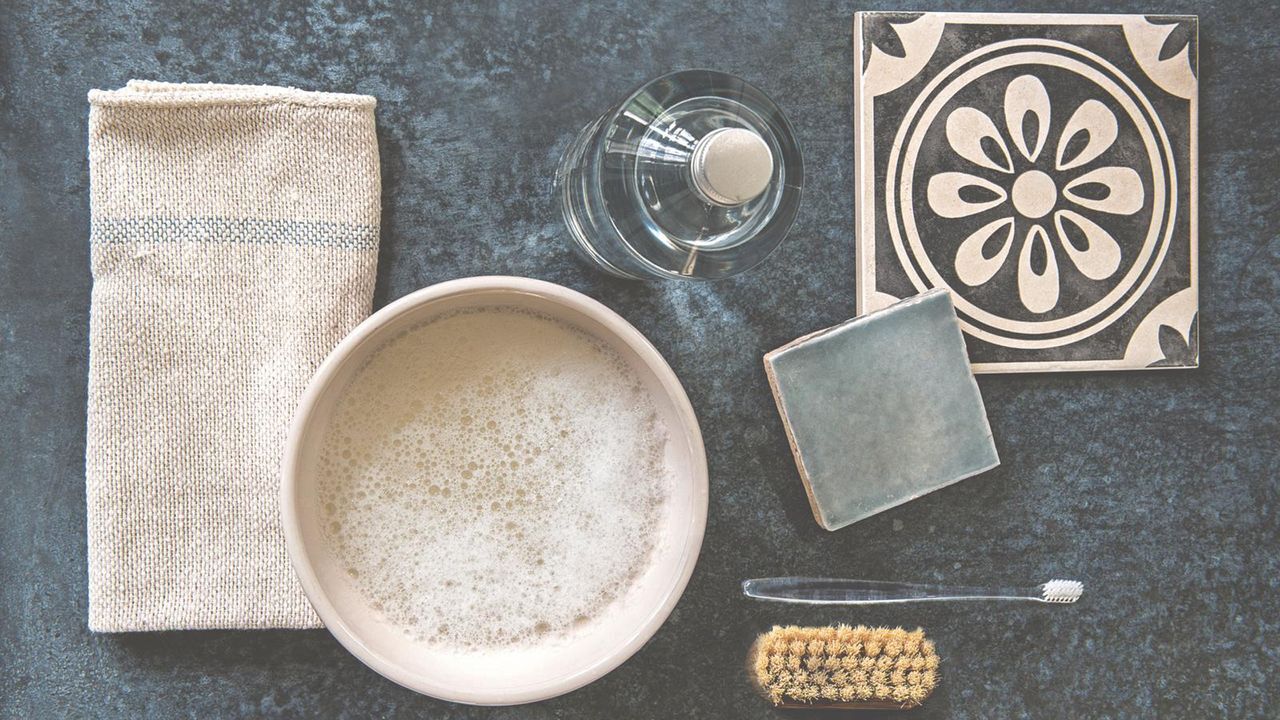
Vinegar’s versatility extends beyond general cleaning; its effectiveness varies significantly depending on the surface material. Understanding the specific properties of different surfaces and tailoring the cleaning approach accordingly is crucial for optimal results and preventing damage. This section delves into the specifics of using vinegar on various surfaces, emphasizing safe and effective cleaning practices.Careful consideration of surface materials and the appropriate dilution ratios is paramount.
Vinegar’s acidity, while generally safe, can be detrimental to certain materials if used improperly. For instance, excessive acidity can dull finishes on wooden surfaces, while undiluted vinegar can etch certain types of stone.
Countertops
Vinegar’s mild acidity makes it suitable for many countertop materials, including laminate and some types of stone. However, its effectiveness can vary depending on the countertop’s specific composition. For stubborn stains, a mixture of vinegar and water (around 50/50) is often sufficient. For tougher grease or grime, a slightly more concentrated solution (70/30 vinegar to water) can be used, but always test a small, inconspicuous area first to avoid potential damage.
Floors
Vinegar solutions can be a cost-effective and environmentally friendly way to clean various types of floors. For hardwood floors, a diluted solution (1 part vinegar to 4 parts water) is recommended. For tile or linoleum floors, a similar dilution ratio often works well. Always test the solution in an inconspicuous area first to ensure it doesn’t affect the floor’s finish.
Avoid using undiluted vinegar on sealed hardwood floors, as it can dull the finish.
Windows
Vinegar can be a great alternative to commercial window cleaners. A mixture of equal parts vinegar and water is usually effective for most windows. Spray the solution onto the window and wipe with a clean microfiber cloth for streak-free results. For heavily soiled windows, a slightly more concentrated solution might be necessary, but again, always test in an inconspicuous area first.
Toilets
Vinegar’s acidity is particularly useful for tackling tough stains and odors in toilets. Pouring a cup of white vinegar down the bowl can help dissolve mineral deposits and neutralize odors. For more stubborn buildup, leaving the vinegar to sit overnight can further enhance its cleaning power.
Dilution Ratios for Cleaning Tasks
| Surface | Dilution Ratio | Method |
|---|---|---|
| Countertops (most materials) | 50/50 Vinegar to Water | Spray, wipe with clean cloth |
| Hardwood Floors | 1 part Vinegar to 4 parts Water | Spray, mop with clean mop |
| Tile/Linoleum Floors | 1 part Vinegar to 4 parts Water | Spray, mop with clean mop |
| Windows | Equal parts Vinegar to Water | Spray, wipe with clean microfiber cloth |
| Toilets | Undiluted Vinegar | Pour into bowl, let sit (overnight for stubborn stains) |
Note: Always test in an inconspicuous area before applying to a larger surface.
Removing Stains and Odors
Vinegar’s versatility extends beyond general cleaning; it’s also an effective stain remover and odor eliminator. Its acidic nature can break down various substances, making it a valuable tool for tackling persistent stains and unwanted smells. This section details how to use vinegar for stain removal and odor control in various household areas.Vinegar’s effectiveness in stain removal relies on its ability to break down organic matter and dissolve certain types of stains.
Proper application and technique are crucial for optimal results. Similarly, for odor elimination, vinegar’s acidity neutralizes malodorous compounds, providing a fresh scent. Careful consideration of the specific stain or odor is important to ensure appropriate application methods.
Removing Various Stains
Vinegar can effectively tackle a range of common stains. Its effectiveness depends on the type of stain and the fabric or surface affected. Proper pretreatment and application methods are crucial for successful stain removal.
- Grease Stains: Apply a solution of equal parts white vinegar and water to the affected area. Allow it to sit for 10-15 minutes, then blot with a clean cloth. Repeat as needed until the stain is removed. For tougher stains, consider mixing vinegar with baking soda to create a paste and letting it sit for longer before blotting.
- Coffee Stains: Immediately blot up as much coffee as possible. Then, apply a solution of white vinegar and water to the stain, gently blotting with a clean cloth. Repeat as needed, allowing the solution to sit for several minutes between applications.
- Wine Stains: Act quickly to prevent the stain from setting. Blot up excess wine. Then, apply a solution of white vinegar and water to the stain, gently blotting with a clean cloth. Repeat as needed, allowing the solution to sit for several minutes between applications. For particularly stubborn wine stains, consider using a paste of baking soda and vinegar to lift the stain.
Eliminating Odors
Vinegar’s acidic nature can effectively neutralize many unpleasant odors. Consistent application and appropriate dilution are crucial for optimal results.
- Refrigerator Odors: Place a bowl of white vinegar in the refrigerator to absorb odors. The vinegar will neutralize the unpleasant smells over time. Repeat this process weekly for sustained freshness.
- Pet Odor: Mix equal parts white vinegar and water. Spray the solution on the affected area, allowing it to sit for a few minutes before blotting with a clean cloth. Repeat as needed.
- Garbage Disposal Odors: Pour a cup of white vinegar down the garbage disposal and follow with a cup of baking soda. Run the disposal for a few seconds to help neutralize the odors.
Comprehensive Stain Removal Guide
This table provides a detailed guide for removing various stains using vinegar.
| Stain Type | Procedure |
|---|---|
| Grease | Apply a solution of equal parts white vinegar and water to the affected area. Allow it to sit for 10-15 minutes, then blot with a clean cloth. Repeat as needed. |
| Coffee | Immediately blot up as much coffee as possible. Apply a solution of white vinegar and water, gently blotting with a clean cloth. Repeat as needed, allowing the solution to sit for several minutes between applications. |
| Wine | Blot up excess wine. Apply a solution of white vinegar and water, gently blotting with a clean cloth. Repeat as needed, allowing the solution to sit for several minutes between applications. For stubborn stains, use a baking soda and vinegar paste. |
| Fruit Juice | Blot up excess juice. Apply a solution of white vinegar and water, gently blotting with a clean cloth. Repeat as needed. |
| Blood | Apply a solution of white vinegar and water, gently blotting with a clean cloth. Repeat as needed. |
Environmental Considerations
Vinegar, a natural household cleaning agent, offers a sustainable alternative to harsh chemicals. Understanding its environmental impact is crucial for responsible cleaning practices. This section details the biodegradability of vinegar, safe disposal methods, and sustainable alternatives to consider.Vinegar’s composition and biodegradability make it an environmentally friendly cleaning solution. It breaks down easily in the environment, posing minimal risk to ecosystems.
This contrasts with many commercial cleaning products that contain harmful chemicals and can persist in the environment for extended periods.
Biodegradability of Vinegar
Vinegar, primarily composed of acetic acid, is readily biodegradable. Microorganisms in the environment readily break down acetic acid, returning it to carbon dioxide and water. This natural decomposition process minimizes environmental pollution compared to persistent synthetic chemicals. The biodegradability of vinegar contributes to its eco-friendly profile.
Safe Disposal Methods for Vinegar Cleaning Solutions
Proper disposal of vinegar cleaning solutions is essential for maintaining environmental safety. Diluted vinegar solutions can be safely poured down the drain. However, avoid mixing vinegar with other cleaning products, as this can create harmful chemical reactions. Concentrated vinegar should be diluted before disposal. If unsure about the appropriate disposal method, consult local regulations or environmental authorities.
Sustainability of Vinegar as a Cleaning Agent
Vinegar’s sustainability stems from its natural origin and biodegradability. Its readily available source and simple production method minimize the environmental footprint compared to synthetic cleaning products. By choosing vinegar, consumers actively contribute to reducing reliance on resource-intensive chemical production and waste generation.
Eco-Friendly Alternatives to Harsh Chemicals Using Vinegar
Vinegar can be a valuable component in creating a range of eco-friendly cleaning solutions. It effectively cleans and deodorizes various surfaces, reducing the need for harsh chemical-based alternatives.
- Glass Cleaning: A mixture of equal parts water and white vinegar effectively cleans glass surfaces, leaving no streaks. This avoids the use of harsh glass cleaners.
- Stainless Steel Cleaning: A paste made from baking soda and vinegar can remove stubborn stains from stainless steel surfaces. This method replaces harsh abrasives and chemical-based cleaners.
- Toilet Bowl Cleaning: Pouring a mixture of vinegar and water into the toilet bowl can effectively remove stains and odors. This approach replaces commercial toilet bowl cleaners containing harsh chemicals.
- Oven Cleaning: A solution of vinegar and baking soda can be used to remove baked-on grease and grime from ovens. This is a safe alternative to oven cleaners with harmful solvents.
Using vinegar for cleaning provides a natural, effective, and environmentally conscious approach to maintaining a clean and healthy living environment. By replacing harsh chemicals with vinegar-based solutions, consumers contribute to a more sustainable and eco-friendly lifestyle.
Illustrative Examples
Vinegar, a versatile household acid, offers effective cleaning solutions for various situations. Its acidity helps dissolve mineral deposits, loosen dirt, and neutralize odors. Understanding its application in different scenarios allows for efficient and effective cleaning.
Kitchen Cleaning Scenarios
Vinegar’s effectiveness shines in the kitchen, tackling common grime and stains. For example, a stubborn lime scale buildup in a kettle can be easily removed by filling it with a mixture of equal parts water and white vinegar, letting it soak for a few hours, and then rinsing thoroughly. Similarly, a sticky residue on a countertop can be tackled by spraying a vinegar solution on the affected area, allowing it to sit for a few minutes, and wiping clean with a damp cloth.
Removing Stains and Odors
Vinegar’s effectiveness extends to stain removal. For instance, stubborn coffee stains on a ceramic coffee mug can be pre-treated with a vinegar solution, followed by a scrub with a soft-bristled brush and a thorough rinse. Furthermore, vinegar can be used to eliminate unpleasant odors in the refrigerator by placing a bowl of vinegar inside for a few hours.
This is particularly useful for neutralizing fishy smells or other food-related odors.
Cleaning Wooden Furniture
Wooden furniture can benefit from a gentle vinegar cleaning solution. A mixture of equal parts water and white vinegar can be used to wipe down wooden surfaces, effectively removing dust and light dirt without harming the wood’s finish. For example, a simple application of this solution followed by a thorough wiping with a soft cloth can restore a polished look to wooden cabinets or tables.
Cleaning Tools and Equipment
Various tools and equipment can enhance vinegar cleaning efficiency. A spray bottle is ideal for applying vinegar solutions to surfaces. Microfiber cloths are excellent for cleaning and drying, as they effectively absorb dirt and moisture. A soft-bristled brush can be used for scrubbing stubborn stains or dirt buildup on various surfaces, such as in sinks or tubs.
Furthermore, a bucket can be used to hold the cleaning solution and to rinse the cleaning tools or equipment.
Cleaning Different Objects
Vinegar cleaning solutions can be applied to a wide range of objects, including countertops, sinks, and even appliances. For instance, a stainless steel sink can be cleaned by applying a vinegar solution and wiping with a clean cloth. The vinegar solution can also be used to clean a microwave by filling a bowl with water and vinegar, placing it inside the microwave, and then running it on high for a few minutes.
This effectively eliminates food particles and odors.
| Object | Cleaning Method | Vinegar Solution |
|---|---|---|
| Wooden Furniture | Wipe down with a mixture of equal parts water and white vinegar. | Equal parts water and white vinegar. |
| Stainless Steel Sink | Apply vinegar solution and wipe with a clean cloth. | Vinegar diluted with water. |
| Microwave | Fill a bowl with water and vinegar, run on high for a few minutes. | Water and vinegar mixture. |
Closing Notes

In conclusion, this comprehensive guide has demonstrated the versatility and effectiveness of vinegar as a natural cleaning agent. From preparing cleaning solutions to tackling specific cleaning tasks, the detailed explanations and practical examples provide a clear roadmap for using vinegar effectively. Embrace the power of vinegar for a cleaner, healthier, and more sustainable home environment.