Harnessing the power of natural light offers a compelling solution for reducing energy consumption and lowering utility bills. By strategically incorporating natural light into your home design, you can significantly decrease reliance on artificial lighting, leading to substantial long-term savings. This guide explores a comprehensive range of strategies, from maximizing window placement to designing sustainable homes.
This comprehensive guide will cover everything from fundamental principles of natural light utilization to advanced strategies for optimizing light in diverse home types. We will examine the potential financial benefits and provide practical examples to illustrate how to effectively reduce energy bills through smart design choices.
Introduction to Natural Light for Energy Savings

Natural light is a readily available and sustainable resource that can significantly reduce energy consumption, particularly for lighting. By strategically incorporating natural light into home design, homeowners can achieve substantial cost savings while promoting a healthier and more comfortable living environment. This approach not only benefits the individual but also contributes to a more environmentally conscious society.Maximizing the use of natural light directly correlates with a decrease in the need for artificial lighting.
The less electricity used for indoor lighting, the lower the overall energy bill. This reduction in electricity consumption translates into financial benefits, saving homeowners money on their utility bills. Incorporating natural light is not merely an aesthetic choice; it’s a practical investment that yields immediate and long-term financial returns.
Natural Light Sources and Energy Savings Potential
Different natural light sources offer varying degrees of energy-saving potential. The effectiveness depends on factors like location, orientation, and the type of construction. This table Artikels common natural light sources and their potential energy-saving impact.
| Natural Light Source | Energy-Saving Potential | Description |
|---|---|---|
| Windows | High | Windows are a primary source of natural light, allowing significant daylight penetration into a home. Strategically placed windows can dramatically reduce the need for artificial lighting during the day. |
| Skylights | Moderate to High | Skylights bring natural light into spaces that may not otherwise receive it, such as attics or hallways. They can be particularly effective in maximizing light penetration in rooms lacking direct access to outside walls. |
| Light Tubes | Moderate | Light tubes, or tubular daylighting devices, channel natural light vertically through the building envelope. These are often used to illuminate interior spaces that are not directly exposed to exterior light. |
| Atrium or Courtyard | High | These central spaces allow for natural light to penetrate deeply into a building. Proper design ensures that the light is distributed efficiently throughout the interior. |
Financial Benefits of Natural Light Integration
Incorporating natural light into home design can yield substantial financial benefits. A well-designed home that leverages natural light can significantly reduce electricity bills. For example, a home with strategically placed windows and skylights may experience a 20-30% reduction in lighting-related energy consumption compared to a home with limited natural light access. These savings add up over time, potentially saving homeowners thousands of dollars annually.
Correlation Between Natural Light and Reduced Electricity Use
The direct correlation between natural light and reduced electricity use is undeniable. Studies have consistently shown that homes with abundant natural light require significantly less electricity for lighting during daylight hours. This is due to the inherent efficiency of natural light, which requires no energy to generate. The more natural light that enters a home, the less artificial lighting is needed, thus lowering energy consumption and utility costs.
Maximizing Natural Light’s Impact

Harnessing natural light effectively can significantly reduce energy consumption and create a more comfortable living environment. Optimizing window placement, orientation, and the use of reflective surfaces are key strategies in achieving this goal. By strategically utilizing natural light, homeowners can substantially lower their energy bills while improving their living spaces.Maximizing the impact of natural light involves a multi-faceted approach.
Proper window placement and orientation are fundamental, as is the thoughtful use of reflective surfaces and appropriate window treatments. Employing these strategies allows for maximum light penetration and minimizes wasted energy.
Window Placement and Orientation Strategies
Proper window placement and orientation are crucial for maximizing natural light. South-facing windows, for instance, receive the most direct sunlight throughout the day, making them ideal for spaces requiring significant natural light. East-facing windows offer morning light, ideal for kitchens or areas where morning tasks are common. West-facing windows are perfect for evening relaxation areas, providing warmth and illumination as the sun sets.
North-facing windows offer consistent, diffused light throughout the day, making them excellent choices for areas requiring ambient light.
Light-Colored Surfaces for Enhanced Reflection
Light-colored surfaces are highly effective in reflecting and distributing natural light. Using light-colored paints, wall coverings, and furniture can significantly enhance the penetration and spread of natural light within a room. Light-colored floors also contribute to reflecting light and creating a brighter ambiance. The use of lighter colors allows more light to bounce around a space, reducing the need for artificial lighting.
This not only enhances the aesthetic appeal but also leads to energy savings.
Comparison of Window Types and Energy Efficiency
Different window types offer varying levels of energy efficiency. Double-paned windows are a standard choice for their insulation and energy savings. Triple-paned windows offer enhanced insulation, further reducing energy loss and improving overall energy efficiency. The increased cost of triple-paned windows may be offset by substantial long-term energy savings. The choice between double-paned and triple-paned windows depends on individual budgets and the specific climate conditions.
Utilizing Mirrors to Reflect Natural Light
Strategically placed mirrors can significantly amplify the impact of natural light. By strategically positioning mirrors to reflect sunlight into rooms with limited natural light, homeowners can increase illumination and reduce the need for artificial lighting. Mirrors placed opposite windows can bounce light into the room, creating a brighter and more inviting atmosphere. Consider placing mirrors near or on walls with a window for best results.
Window Treatments and Light Control
Window treatments play a critical role in controlling the amount of natural light entering a space. Different treatments offer various levels of light control and energy efficiency.
| Window Treatment | Light Control | Energy Efficiency |
|---|---|---|
| Sheer Curtains | Soft, diffused light | Moderate |
| Drapes/Heavy Curtains | Dimmed or blocked light | High |
| Blinds | Adjustable light control | Moderate to High |
| Shades | Adjustable light control | Moderate to High |
Different window treatments offer varying levels of light control and energy efficiency. Choosing the right treatment depends on the desired level of light control and the specific needs of the space. For example, sheer curtains allow soft, diffused light to enter, while heavier drapes can block light completely. Blinds and shades offer adjustable light control, providing flexibility in managing natural light.
Designing for Natural Light
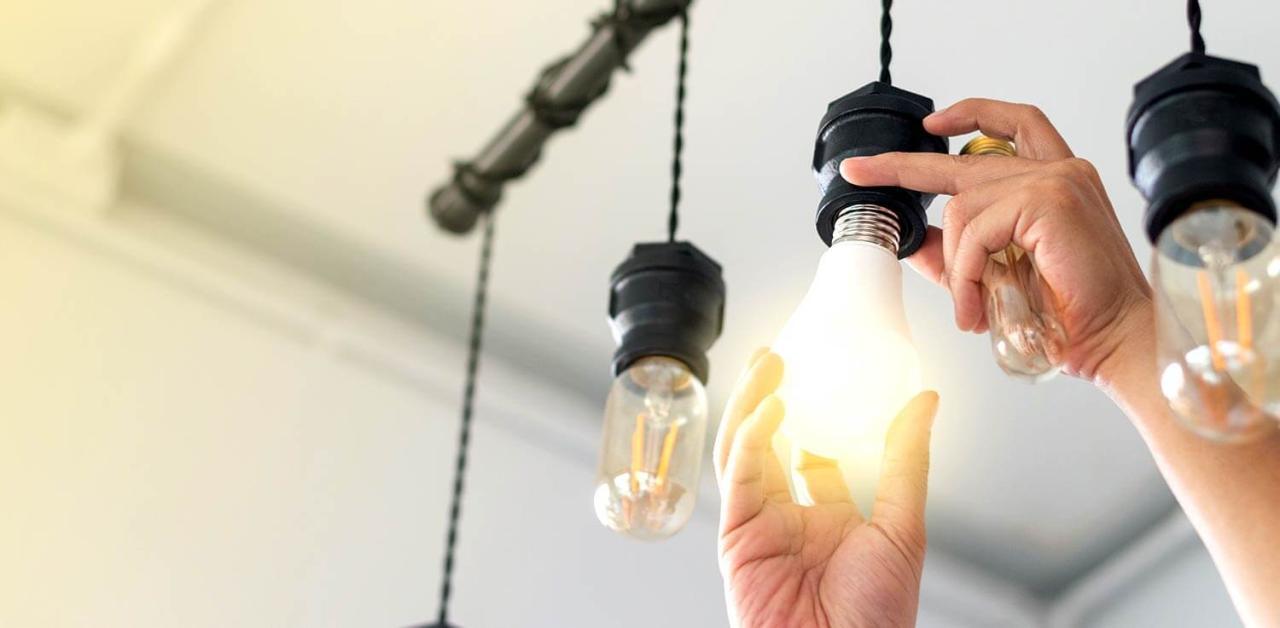
Optimizing a home’s design for natural light is crucial for reducing energy consumption and creating a comfortable and inviting living space. By strategically incorporating natural light sources and utilizing appropriate materials, homeowners can significantly decrease their reliance on artificial lighting, ultimately lowering their energy bills. This section explores key design considerations for maximizing natural light penetration and minimizing energy waste.Careful planning in the initial design phase of a home is vital for realizing the full potential of natural light.
A well-designed floor plan can maximize daylight penetration throughout the entire structure.
Floor Plan Design for Natural Light
A floor plan optimized for natural light prioritizes positioning rooms with a high need for illumination near windows. This design strategy enhances the efficiency of natural lighting throughout the home. Consider the following principles:
- Placement of Living Areas: Living rooms, dining areas, and kitchens should be positioned to take advantage of ample natural light. This placement reduces the need for artificial lighting during the day, and creates a more vibrant and welcoming atmosphere.
- Strategic Window Placement: Windows should be strategically positioned to maximize daylight exposure in key areas. South-facing windows, for example, receive significant sunlight throughout the day, ideal for living spaces.
- Light-filled Corridors and Staircases: Open corridors and staircases can further distribute natural light throughout the home. This is important to create a sense of spaciousness and reduce reliance on artificial light in less-used areas.
Skylight Comparison
Skylights offer an alternative or supplementary source of natural light, especially in rooms without sufficient window access. Choosing the right type is crucial for energy efficiency.
| Skylight Type | Energy Efficiency | Description |
|---|---|---|
| Fixed Skylights | High | These skylights provide a constant source of natural light, but may not offer as much control over light intensity. Excellent for rooms needing consistent daylight. |
| Solar Tube Skylights | Medium-High | Solar tubes utilize light pipes to funnel sunlight into a room. They are highly energy-efficient and provide a cost-effective method to bring natural light into areas that are less accessible to direct sunlight. |
| Vent Skylights | Medium | These skylights allow for natural ventilation while also providing daylight. They offer more control over light and air circulation but may have a slightly lower energy efficiency rating compared to fixed skylights. |
Room Size and Shape Influence
Room dimensions and shape significantly affect natural light distribution. Larger rooms generally require more windows to achieve adequate daylight penetration. The shape of a room also influences how light is reflected and dispersed.
- Room Size: Larger rooms generally need more windows to adequately illuminate the entire space. Small rooms may benefit from strategically placed, smaller windows to maintain sufficient light levels.
- Room Shape: Long, narrow rooms may need more windows or strategically placed mirrors to effectively distribute light throughout the space. Rooms with more square footage and a more symmetrical design may require fewer windows.
Obstruction Minimization
Exterior obstructions, such as trees and overhangs, can significantly reduce natural light penetration. Minimizing these obstructions is crucial for maximizing energy savings.
- Tree Placement: Strategic tree placement can ensure ample sunlight reaches the windows. Keeping trees away from windows is crucial to prevent shading during daylight hours.
- Overhang Design: Overhangs should be designed to minimize shading during peak sunlight hours while still providing protection from harsh weather elements. This requires careful consideration of the building’s orientation and the desired level of light control.
Interior Design Integration
Integrating natural light into interior design can enhance the visual appeal and energy efficiency of a home.
- Light-colored Walls and Ceilings: Light-colored walls and ceilings reflect more light, effectively increasing the illumination within a room. This approach reduces the need for artificial lighting and brightens the space.
- Strategic Use of Mirrors: Strategically placed mirrors can reflect natural light, making rooms appear brighter and larger. However, mirrors should be used carefully to prevent glare and reflections.
Light-Reflective Materials
Choosing light-reflective materials can enhance natural light penetration and reduce the need for artificial lighting.
- Light-Colored Paints and Finishes: Light-colored paints and finishes for walls, ceilings, and trim reflect more light, making rooms appear brighter. Examples include light grays, whites, and pastels.
- Glass and Reflective Surfaces: Glass and reflective surfaces such as mirrors and metallic finishes can reflect natural light, expanding the reach of natural illumination.
Exterior Shades and Light Control
Exterior shades can be used to control the amount of sunlight entering a home. Selecting the right shade type is essential for achieving optimal light control.
| Exterior Shade Type | Light Control Effect | Description |
|---|---|---|
| Venetian Blinds | Moderate | Venetian blinds allow for adjustable light control. They are suitable for areas requiring varied light levels. |
| Cellular Shades | High | Cellular shades are highly efficient at controlling light and providing insulation, reducing energy loss. They are an excellent choice for energy conservation. |
| Roller Shades | Variable | Roller shades provide a simple and effective way to block sunlight. They offer adjustable light control, and can be combined with other types of shading to maximize light control. |
Strategies for Different Homes
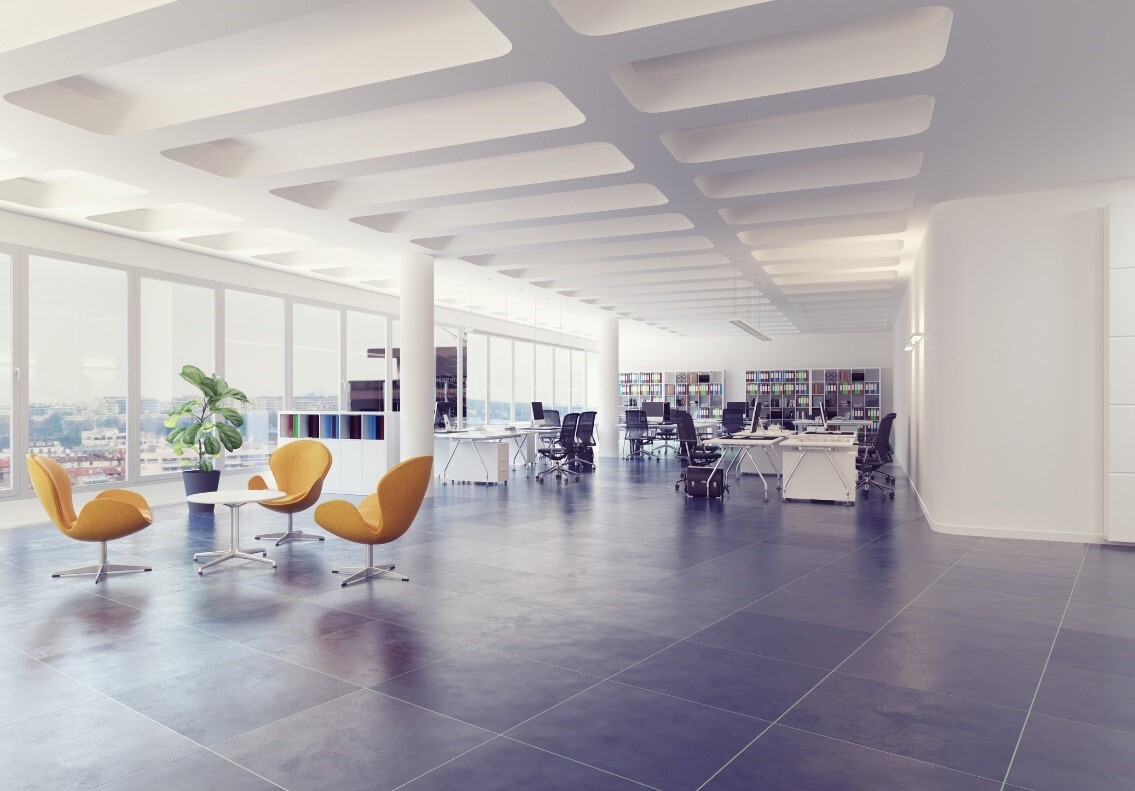
Maximizing natural light for energy savings requires careful consideration of individual home characteristics. Different home types, climates, and available outdoor space present unique challenges and opportunities. This section will explore strategies tailored to various situations, from apartments to single-family homes, and will emphasize adapting techniques to different geographic locations and seasons.Understanding the interplay between design, climate, and available space is crucial for optimizing natural light.
This involves assessing the existing building structure and its orientation, the surrounding environment, and the potential for enhancing natural light penetration.
Common Design Challenges in Different Home Types
Various home types present unique challenges in maximizing natural light. Apartments, often characterized by limited outdoor space and shared walls, require creative solutions to bring natural light into living areas. Townhouses, with their often-restricted exterior walls, might need strategic window placement and light-reflective materials to maximize illumination. Single-family homes, while offering more flexibility, might still face challenges like overshadowing by neighboring structures or dense landscaping.
Addressing these challenges requires tailored strategies.
Energy-Saving Strategies for Different Climates and Seasons
Strategies for maximizing natural light must adapt to the changing climate and seasons. In warmer climates, strategies to reduce heat gain are essential. This involves using strategically placed overhangs, shading devices, and reflective materials to deflect solar heat and maintain comfortable indoor temperatures. Conversely, in colder climates, maximizing winter sunlight is key. Careful consideration of window placement and orientation can dramatically increase the amount of winter sun entering the home.
Furthermore, understanding the sun’s movement throughout the year is crucial for designing effective strategies.
Adapting Natural Light Strategies for Homes with Limited Outdoor Space
Limited outdoor space doesn’t preclude the benefits of natural light. Strategies can include vertical gardening, strategically placed mirrors to reflect light, and the use of skylights to bring light into interior spaces. Utilizing light-colored materials and reflective surfaces on walls and ceilings can also increase the perceived amount of light in a space. This will be especially beneficial in apartments and smaller homes.
Improving Natural Light Penetration in Existing Homes
Improving natural light penetration in existing homes often involves modifying existing structures. This might include replacing dark-colored windows with light-colored ones or strategically adding skylights. Clearing obstructions, like overgrown vegetation, is also a crucial step in maximizing the amount of natural light entering the home. Improving window placement, by adjusting the position of window coverings, can also significantly increase the amount of natural light.
These changes can significantly increase energy savings.
Energy-Saving Benefits of Light-Colored Paint and Materials
Light-colored paint and materials reflect sunlight more effectively than dark colors, leading to a significant reduction in heat gain. This translates to lower energy consumption for heating and cooling. Light-colored surfaces, such as white or light gray, reflect a higher percentage of incoming solar radiation, significantly reducing the need for artificial lighting.
Energy-Saving Tips for Different Room Types
| Room Type | Energy-Saving Tip |
|---|---|
| Living Room | Maximize natural light by strategically placing large windows and using light-colored furniture and window coverings. |
| Kitchen | Install skylights or strategically placed windows to bring natural light into the kitchen. Consider using light-colored countertops and cabinets. |
| Bedroom | Position beds to maximize the use of morning or evening sunlight. Use sheer curtains or blinds to diffuse sunlight and maintain privacy. |
Sustainable Practices
Harnessing natural light for energy savings is not only economically beneficial but also environmentally sound. Integrating sustainable materials and practices into building design can significantly reduce a structure’s carbon footprint and enhance its overall ecological impact. This section explores the various ways to incorporate environmentally responsible methods into your approach to utilizing natural light.
Sustainable Materials for Light Transmission
Sustainable materials play a critical role in maximizing natural light’s effectiveness while minimizing environmental impact. Choosing materials that are renewable, recycled, or sourced responsibly contributes to a more environmentally friendly approach.
- Recycled Glass: Recycled glass offers a significant advantage in reducing the demand for virgin materials, lessening the energy consumption associated with their production. Its use results in a smaller carbon footprint and supports circular economy principles.
- Bamboo: Bamboo, a rapidly renewable resource, is an excellent choice for window frames and other structural elements. Its lightweight nature, combined with its strength, contributes to reduced energy use during construction and throughout the building’s lifespan.
- Laminated Wood: Laminated wood, derived from sustainably harvested trees, offers a strong and durable alternative to conventional lumber. It is often treated with environmentally friendly finishes, minimizing potential environmental damage during manufacturing and use.
- Solar-Powered Glass: Specialized glass technologies incorporating solar-powered properties can reduce reliance on artificial light sources. These innovative materials can generate electricity from sunlight, lowering energy bills and carbon emissions.
Environmental Benefits of Natural Light
Utilizing natural light instead of artificial lighting offers numerous environmental benefits. The reduced energy consumption directly translates to a decrease in greenhouse gas emissions, contributing to a healthier planet.
- Reduced Energy Consumption: Natural light drastically minimizes the demand for artificial lighting, lowering energy consumption. This reduction translates to a lower carbon footprint and a smaller impact on environmental resources.
- Lower Greenhouse Gas Emissions: By significantly decreasing reliance on electricity for lighting, natural light adoption leads to reduced greenhouse gas emissions. This decrease helps combat climate change and supports a more sustainable future.
- Conservation of Resources: Utilizing natural light conserves energy resources, such as coal, natural gas, and nuclear power. This conservation safeguards these finite resources for future generations.
Impact of Window Size and Shape on Energy Efficiency
Strategic window placement and design can significantly affect a building’s energy efficiency. Careful consideration of window size and shape optimizes natural light penetration and thermal comfort.
- Optimal Window Size: Appropriate window sizes optimize natural light penetration while minimizing heat gain and loss. Large windows can significantly increase natural light but can also contribute to excessive heat gain in warmer climates. Carefully calibrated window sizes balance these factors, promoting energy efficiency.
- Strategic Window Shape: The shape of windows influences how effectively natural light penetrates the interior. Properly angled windows maximize light exposure and reduce the potential for glare. The form of the window plays a crucial role in managing heat gain and maintaining thermal comfort.
Improving Indoor Air Quality with Natural Light
Natural light has a positive impact on indoor air quality, fostering healthier living environments. Proper light exposure can enhance air circulation and reduce the buildup of pollutants.
- Enhanced Air Circulation: Natural light often accompanies improved air circulation. This natural movement helps to reduce the buildup of pollutants and contaminants, resulting in a healthier and more comfortable indoor environment.
- Reduced Mold and Mildew Growth: Adequate natural light penetration helps reduce moisture buildup, lowering the risk of mold and mildew growth. This proactive approach supports a healthier indoor environment, minimizing the health risks associated with these problems.
Incorporating Natural Light into Building Designs for New Construction
Building design plays a critical role in maximizing natural light’s impact. Conscious incorporation of natural light into the design of new structures enhances energy efficiency and sustainability.
- Strategic Placement of Windows: Strategically positioning windows optimizes light penetration and minimizes heat gain or loss. Careful consideration of the building’s orientation and surrounding environment is essential for achieving maximum natural light penetration.
- Utilizing Skylights: Skylights offer an effective way to introduce natural light into interior spaces, particularly in areas with limited natural light sources. Their strategic use enhances daylighting, reducing reliance on artificial lighting.
Reducing Heat from Sunlight
Minimizing the amount of heat from sunlight entering a home is crucial for energy efficiency. Implementing appropriate strategies prevents overheating and excessive cooling costs.
- Exterior Shading Devices: Using exterior shading devices, such as awnings, overhangs, and vegetation, can effectively reduce the amount of heat entering the building. These solutions provide an effective means to mitigate the impact of direct sunlight.
- Window Treatments: Employing appropriate window treatments, such as blinds, curtains, and shutters, can significantly reduce heat gain and glare. These methods help to regulate the amount of sunlight entering the space.
Last Word
In conclusion, implementing strategies for maximizing natural light can dramatically reduce energy bills while also contributing to a more sustainable lifestyle. By understanding the interplay between window placement, interior design, and sustainable materials, you can create a home that is both energy-efficient and aesthetically pleasing. This guide provides a roadmap to help you achieve significant savings and a more environmentally conscious approach to home design.