Transforming discarded furniture into stunning, unique pieces is a rewarding and environmentally conscious practice. This comprehensive guide, “How to Upcycle Old Furniture,” explores the diverse world of upcycling, from understanding its history and benefits to mastering various techniques and safety precautions. We’ll delve into the art of identifying suitable furniture, planning your projects effectively, and implementing creative designs.
Whether you’re a seasoned DIY enthusiast or a novice looking to give old items a new lease on life, this guide is your starting point.
Discover how to assess the condition of old furniture, select appropriate materials, and budget for your upcycling endeavors. Learn the fundamental techniques for painting, staining, decoupage, and upholstery, while also gaining valuable insights into safe practices. The detailed examples and inspiration will provide a visual understanding of the transformation process, encouraging you to unleash your creativity and craft beautiful, sustainable furniture.
Introduction to Upcycling Furniture
Upcycling furniture is the creative process of transforming discarded or unwanted pieces of furniture into new, useful items. This often involves repurposing existing materials, adding new components, or altering the original design to create something entirely fresh and unique. It’s a powerful way to breathe new life into items that would otherwise be discarded, reducing waste and promoting resourcefulness.This article explores the various aspects of upcycling furniture, from its rich history to the environmental and economic benefits it offers.
We will delve into practical examples and considerations to inspire your own upcycling adventures, emphasizing how this process can be both fulfilling and sustainable.
Definition of Upcycling Furniture
Upcycling furniture, unlike simple recycling, focuses on transforming an item into something more valuable and aesthetically pleasing than its original form. It involves adding new functionalities or design elements, which often results in a more modern, desirable, or personalized product. This contrasts with recycling, which often involves breaking down materials into their base components for reuse in a different product.
Historical Examples of Upcycling Furniture
Throughout history, communities have demonstrated a remarkable ability to repurpose materials for practical and artistic purposes. Ancient civilizations often used reclaimed wood, bone, and other readily available resources to construct furniture and tools. The concept of repurposing furniture is not new, and in many traditional cultures, upcycling was often essential for resource management. For instance, antique furniture often features repurposed materials like carved wood, intricate metal inlays, and reclaimed upholstery.
These techniques highlight a long-standing tradition of resourcefulness and ingenuity in furniture creation.
Environmental Benefits of Upcycling Old Furniture
Upcycling old furniture offers substantial environmental advantages. By reducing the demand for new materials, upcycling directly contributes to decreased deforestation, mining, and resource extraction. This reduces the carbon footprint associated with furniture production, contributing to a more sustainable approach to consumption. Less waste in landfills also reduces the environmental burden. For example, the production of new furniture often involves significant energy use and chemical emissions.
Upcycling eliminates the need for this energy-intensive process, leading to a reduction in pollution.
Economic Advantages of Upcycling for Individuals and Communities
Upcycling furniture presents substantial economic benefits for individuals and communities. For individuals, upcycling can result in significant cost savings on furniture purchases. It fosters creativity and resourcefulness, leading to unique and personalized pieces. Communities can benefit from the development of local upcycling businesses, which create employment opportunities and support local economies. This fosters a circular economy where waste is transformed into valuable products.
Upcycling can also increase the value of discarded furniture. A well-executed upcycling project can increase the market value of a piece of furniture, potentially leading to significant financial gain.
A Brief Introduction to the Article
This article will explore the fascinating world of upcycling furniture. We will examine its historical context, highlight the environmental and economic benefits, and provide practical insights into how you can upcycle furniture to create beautiful and unique pieces for your home or community. This exploration will offer practical strategies for transforming discarded furniture into treasures.
Identifying Furniture for Upcycling
Choosing the right piece of furniture for an upcycling project is crucial. A well-selected piece not only maximizes your efforts but also ensures a successful transformation. Careful assessment of condition, potential, and materials is essential for a rewarding upcycling experience.Careful consideration of various factors, from material type to structural integrity, significantly impacts the outcome and longevity of the upcycled furniture.
This process of evaluation allows for informed decisions, maximizing the value of the project and ensuring a positive aesthetic and functional result.
Assessing Condition and Potential
Evaluating the condition of a piece is paramount. Look for signs of damage, such as cracks, splinters, or loose joints. Assess the overall aesthetic appeal, taking into account the piece’s style, design, and existing finish. A piece with significant damage might not be suitable for a complete transformation but could still be salvaged for a specific upcycling project.
Consider the original design; a piece with unique features could be a valuable asset for upcycling.
Factors to Consider When Choosing
Several factors influence the suitability of a piece for upcycling. These include the desired aesthetic outcome, the availability of resources (materials, tools, and time), and the skills of the upcycler. Budget constraints, too, play a role. A piece with a significant amount of damage or extensive repairs might exceed the allocated budget. Also, the existing condition of the piece greatly influences the complexity and time required for the upcycling process.
Pieces with minor imperfections might require less effort to upcycle, while severely damaged ones might necessitate a complete rebuild.
Types of Furniture Suitable for Upcycling
A wide variety of furniture is suitable for upcycling. This includes dining tables, dressers, nightstands, and chairs. Antique or vintage pieces often offer unique characteristics that can be accentuated through upcycling. Even seemingly outdated or unwanted furniture can be transformed into stylish and functional pieces. Consider the inherent value of the piece and the design potential it offers.
For example, an old wooden desk with a unique pattern could be transformed into a stylish home office setup.
Material Comparison
The materials used in old furniture vary widely. Common materials include wood, metal, glass, and fabric. Each material presents unique challenges and opportunities for upcycling. For instance, a wooden chest might be ideal for a rustic aesthetic, while a metal bed frame could be transformed into a modern piece. The characteristics of each material need to be carefully evaluated.
Wood, with its versatility, can be stained, painted, or carved to achieve desired effects. Metal, with its inherent durability, could be repurposed into a decorative or functional element.
Structural Integrity Assessment
Assessing the structural integrity of furniture is critical for a successful upcycling project. Check for loose joints, warped wood, or damaged components. This assessment is vital to ensure the safety and longevity of the upcycled piece. Examine the joints and fasteners; any signs of weakness should be addressed before starting the upcycling process. A thorough inspection prevents potential safety hazards and ensures the furniture’s longevity.
A table with a sagging tabletop, for example, needs careful reinforcement before upcycling.
Planning and Preparation
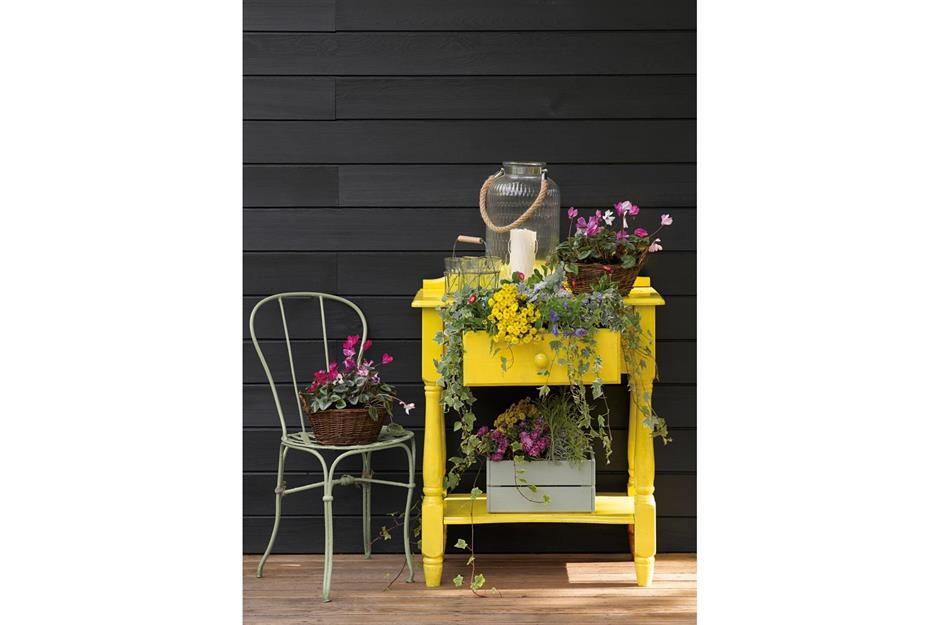
Careful planning is crucial for successful upcycling projects. It allows you to effectively manage time, resources, and potential challenges, ensuring a rewarding and efficient transformation. A well-structured approach can also help prevent costly mistakes and maximize the value of your upcycled piece.Effective planning involves a methodical approach to each step, from selecting the right furniture to the final touches.
This includes choosing appropriate upcycling techniques, gathering the necessary tools and materials, and establishing a realistic budget. By meticulously preparing for each project, you can achieve exceptional results and avoid unexpected roadblocks.
Step-by-Step Procedure for Planning
A systematic procedure ensures a smooth upcycling journey. Begin by selecting a piece of furniture that resonates with your vision. Next, research various upcycling techniques and styles to identify the most suitable approach. Creating a detailed sketch or mood board helps visualize the final outcome. Thoroughly assess the condition of the furniture, noting any necessary repairs or pre-treatment steps.
Develop a timeline to track progress and ensure timely completion. Finally, assemble all necessary tools and materials.
Essential Tools and Materials
The specific tools and materials needed vary greatly depending on the upcycling technique. For projects involving sanding and painting, you will require sandpaper, brushes, paints, and possibly a primer. Woodworking projects may demand saws, drills, clamps, and various wood-working supplies. Projects involving upholstery or fabric changes necessitate sewing machines, fabrics, and related supplies. A checklist can help avoid forgetting critical tools.
Materials Checklist
A meticulously prepared checklist ensures you gather all necessary materials efficiently. The checklist should include items like wood, paint, sandpaper, tools, hardware, fabric, glue, and any other specific materials dictated by your chosen upcycling technique. This will avoid last-minute panics and interruptions during the project.
- Furniture to be upcycled
- Sandpaper (various grits)
- Primer (if needed)
- Paints (various colors and finishes)
- Brushes and rollers
- Wood filler
- Clamps (if needed)
- Screwdrivers and other hardware
- Fabric (if upholstering)
- Sewing machine and supplies (if upholstering)
- Hardware (handles, knobs, etc.)
- Wood stain or sealant (if desired)
Budgeting Considerations
A well-defined budget is critical for successful upcycling projects. Consider the cost of the furniture itself, tools, materials, and potential labor costs. Shop around for the best prices on materials and tools. Factor in the time required for the project. You can also estimate the cost of repairs if needed.
For instance, a simple coat of paint might cost less than $50, whereas a complete reupholstery could range from $100 to several hundred dollars.
Examples of Upcycling Project Ideas
Upcycling ideas are limitless. Transforming an old dresser into a stylish nightstand by adding new hardware and paint is a common example. A vintage wooden chair can be revitalized with a fresh coat of paint and new upholstery. An old wooden crate can be transformed into a unique planter or storage box. Consider repurposing an old wooden door into a hanging shelf or a wall-mounted organizer.
Upcycling old wooden pallets into a stylish coffee table is another popular project.
Techniques and Methods
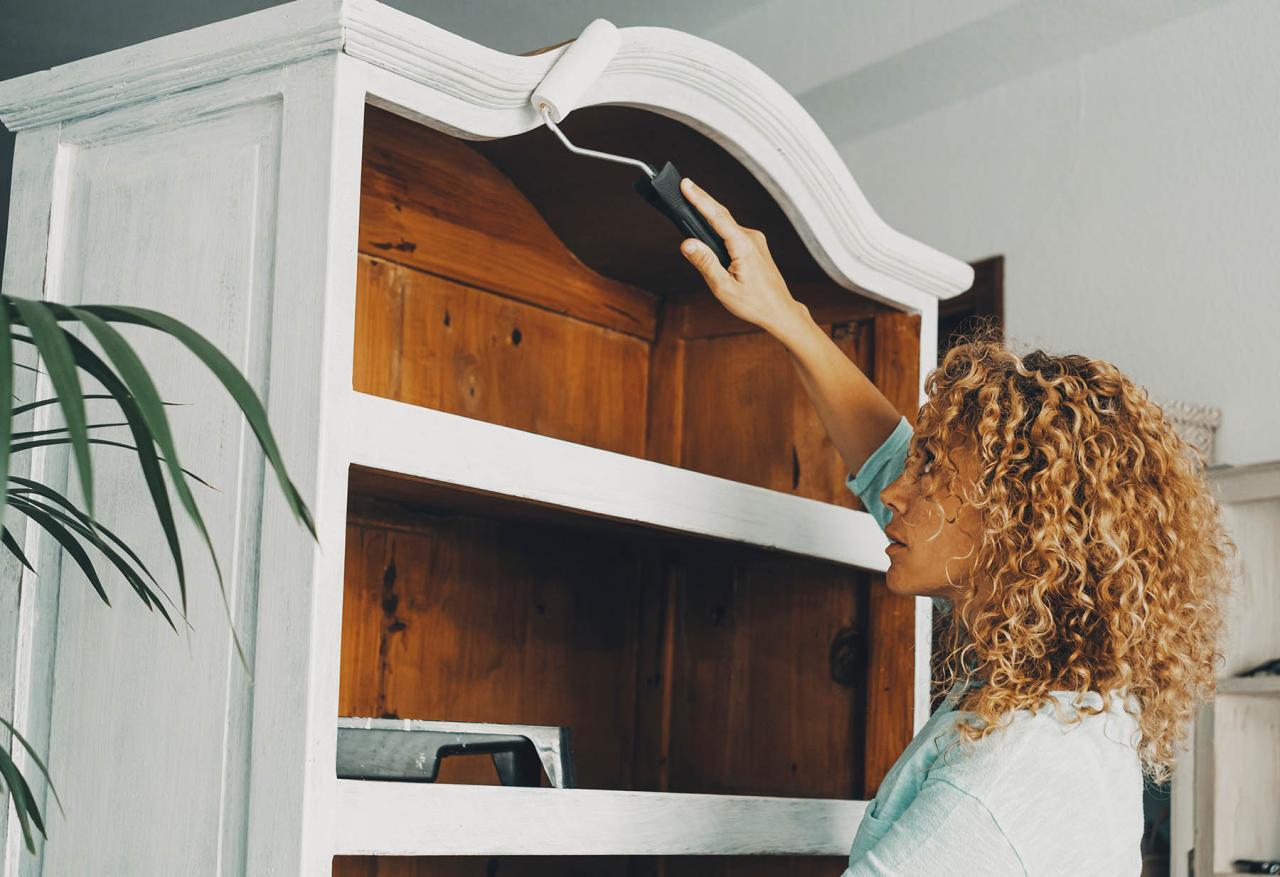
Transforming old furniture into stylish, functional pieces involves a variety of creative techniques. Understanding these methods, their steps, and their advantages and disadvantages will empower you to make informed choices for your upcycling projects. Careful consideration of each technique’s requirements will lead to successful outcomes.Effective upcycling hinges on selecting the right technique for the specific piece of furniture and the desired outcome.
Different approaches cater to various aesthetic preferences and skill levels, ensuring a rewarding experience for everyone involved.
Painting
Painting is a versatile technique for updating furniture. It allows for a complete transformation of the piece’s appearance and can easily match any desired color scheme. Various types of paint, including acrylic, latex, and oil-based paints, are available, each with its own set of properties. The choice depends on the intended use of the finished piece and the desired level of durability.
- Surface Preparation: Thoroughly clean the furniture, removing any dust, dirt, or old finishes. Repair any damage to the wood, such as cracks or holes. Sanding the surface is crucial to ensure a smooth and even paint application. This step is essential for a professional finish.
- Sanding: Sand the entire surface with progressively finer grits of sandpaper to create a smooth, even surface. This helps the paint adhere properly. Begin with a coarser grit to remove imperfections and finish with a finer grit to smooth the surface for a professional finish.
- Priming: Applying a primer is crucial, especially on bare wood or previously painted surfaces. A primer helps the paint adhere better and provides a uniform base for a smooth, even finish. It also helps to fill any small imperfections in the wood.
- Painting: Apply thin, even coats of paint using appropriate brushes. Allow each coat to dry completely before applying the next. For a professional look, consider using multiple thin coats rather than one thick coat. This prevents runs and ensures even coverage.
Staining
Staining offers a way to enhance the natural beauty of the wood while achieving a desired color. It’s an excellent method for creating a warm, rustic, or modern look. Various types of stain, including water-based, oil-based, and gel stains, are available. The choice of stain depends on the desired level of protection, depth of color, and maintenance requirements.
- Surface Preparation: Thoroughly clean the furniture, removing any dust, dirt, or old finishes. Repair any damage to the wood, such as cracks or holes. Sanding the surface is crucial to ensure a smooth and even stain application. This step is essential for a professional finish.
- Sanding: Sand the entire surface with progressively finer grits of sandpaper to create a smooth, even surface. This helps the stain penetrate evenly.
- Applying Stain: Apply stain with a brush or rag, working in the direction of the wood grain. Avoid applying too much stain at once, and allow each coat to dry completely before applying the next. Different types of stains require different drying times, and following the manufacturer’s instructions is crucial.
Decoupage
Decoupage involves adhering decorative elements, such as paper, fabric, or images, to furniture surfaces. This technique is ideal for adding a unique touch and transforming ordinary pieces into personalized masterpieces.
- Preparation: Clean and prepare the furniture surface. Apply a decoupage medium to the surface, allowing it to dry slightly.
- Adhering Elements: Carefully position the chosen decorative elements onto the surface and smooth them out, ensuring there are no wrinkles or bubbles.
- Finishing: Once the elements are securely attached, apply a topcoat to protect and seal the design. Several types of topcoats are available, each with specific characteristics and drying times.
Upholstery
Upholstery is a method for covering furniture with fabric. It’s particularly effective for updating chairs, sofas, and other seating pieces. A variety of fabrics, from durable cotton to luxurious velvet, can be used.
- Preparation: Carefully remove any existing upholstery, ensuring the frame is in good condition. Repair any damage to the frame. Measure the area to be covered and cut the fabric to size, allowing for seams and overlaps.
- Installation: Use appropriate tools and techniques to attach the fabric to the frame. Ensure the fabric is taut and evenly distributed. Secure the fabric using appropriate staples or tacks. Different fabrics require different methods of attachment.
Comparison of Techniques
| Technique | Materials | Steps | Pros | Cons |
|---|---|---|---|---|
| Painting | Paint, brushes, sandpaper | Prepare, sand, prime, paint | Versatile, affordable, wide range of colors | May require multiple coats, can be time-consuming |
| Staining | Stain, brushes, sandpaper | Prepare, sand, apply stain | Enhances wood grain, natural look | Limited color options, may require multiple applications |
| Decoupage | Decorative elements, decoupage medium, topcoat | Prepare, apply medium, adhere, finish | Unique, personalized designs | Can be time-consuming, requires precision |
| Upholstery | Fabric, tools for attachment | Prepare frame, cut fabric, attach | Transforms seating pieces, adds comfort | Can be labor-intensive, requires skill |
Creative Design and Customization
Transforming an old piece of furniture into a unique statement piece involves a blend of creativity and thoughtful planning. This stage focuses on infusing your personal style into the upcycled item, ensuring it reflects your personality and complements your existing décor. Personalization is key, allowing you to create a truly one-of-a-kind item.Personalizing old furniture goes beyond simply painting it a different color.
It’s about understanding how to incorporate elements that resonate with your aesthetic preferences. This involves exploring various customization techniques and decorative elements to craft a piece that stands out. Adding unique features can breathe new life into the item and give it a distinctive identity.
Incorporating Personal Style
This process starts with a deep dive into your personal aesthetic. Do you prefer a minimalist look or a more elaborate, ornate design? Consider your existing décor and the overall atmosphere you want to create. Matching the style of the upcycled furniture to the existing design scheme is crucial for a harmonious look. A well-chosen style will ensure the upcycled piece complements, rather than clashes with, the existing room.
Customizing Furniture for Unique Aesthetics
A wide array of techniques can transform an ordinary piece into a unique showstopper. These include applying various finishes, such as distressing, glazing, or antiquing, to achieve a vintage or rustic charm. Adding unique hardware like knobs, pulls, and hinges can dramatically alter the piece’s appearance. Customizing the shape of the furniture itself is possible through carving or inlays, offering a more profound alteration.
These techniques allow you to create a furniture piece that is truly distinctive.
Adding Decorative Elements and Features
A key element in upcycling is the addition of decorative features. This can involve incorporating decoupage, a technique that uses decorative paper or fabric to create intricate patterns or designs on the surface of the furniture. Adding mirrors, mosaics, or textiles can provide visual interest and a touch of elegance. Consider adding storage solutions, like built-in shelves or drawers, to maximize the piece’s functionality.
Such additions not only enhance the aesthetic appeal but also improve the piece’s practicality.
Using Embellishments and Patterns
Embellishments and patterns are integral in personalizing the furniture. Embellishments can range from simple beading or painting to more complex elements like sculpted details or intricate carvings. Using stencils and patterned fabrics can add visual flair and create a unique aesthetic. A key consideration is to ensure the embellishments and patterns harmoniously blend with the overall design of the piece.
This careful consideration ensures a balanced and cohesive look.
Example Design Table:
| Design Element | Description | Application |
|---|---|---|
| Distressed Finish | Creating a weathered, antique look | Applying a layer of paint and then sanding or distressing areas to create a worn appearance. |
| Decoupage | Applying decorative paper or fabric | Covering sections of the furniture with decorative paper, usually attached with glue, to create an artistic design. |
| Custom Hardware | Replacing knobs and pulls | Replacing existing hardware with decorative handles and knobs to complement the new style. |
| Inlays | Adding decorative elements into the furniture | Inserting small pieces of wood, metal, or other materials into the surface of the furniture to create patterns or designs. |
Safety Precautions
Upcycling old furniture can be a rewarding experience, but safety should always be a top priority. Proper handling of tools, materials, and disposal procedures are crucial to prevent injuries and environmental harm. Understanding and adhering to these safety precautions will ensure a smooth and safe upcycling project.Careful attention to safety measures is essential throughout the upcycling process, from initial assessment to final disposal.
This includes proper handling of tools, materials, and the workspace, along with awareness of potential hazards and responsible waste management.
Tool and Material Handling
Safe tool handling is paramount for a successful and injury-free upcycling project. Sharp tools like saws, drills, and chisels require meticulous attention to avoid accidental cuts or injuries. Always ensure tools are in good working order and use appropriate safety gear such as gloves, eye protection, and dust masks. Proper storage of tools is also critical to prevent accidents and ensure their longevity.
- Use appropriate safety gear: Wear safety glasses, gloves, and a dust mask when using power tools or working with wood dust. This prevents injuries and protects your respiratory system from harmful particles.
- Inspect tools before use: Check for any damage or loose parts on tools before commencing the upcycling project. Malfunctioning tools can lead to accidents and injuries.
- Follow manufacturer’s instructions: Adhere to the safety guidelines provided by the tool manufacturer for proper operation and maintenance.
- Store tools safely: Keep tools in designated storage areas to prevent accidental injuries and damage.
Working with Potentially Hazardous Materials
Some upcycling projects may involve working with potentially hazardous materials, such as paints, solvents, or adhesives. Understanding the dangers and taking precautions is vital to maintain a safe working environment.
- Use appropriate ventilation: Adequate ventilation is critical when working with volatile organic compounds (VOCs) found in some paints, stains, and adhesives. Open windows and use fans to disperse fumes and maintain fresh air circulation.
- Wear protective clothing: When working with hazardous materials, use appropriate personal protective equipment (PPE) such as respirators, chemical-resistant gloves, and aprons to prevent skin contact and inhalation.
- Follow Material Safety Data Sheets (MSDS): Refer to the MSDS for each material to understand its specific hazards and appropriate safety precautions. MSDS documents provide crucial information about handling, storage, and disposal.
- Store hazardous materials properly: Store hazardous materials in designated, tightly sealed containers away from heat sources and food areas. Ensure proper labeling to avoid accidental exposure.
Waste Disposal
Responsible disposal of old or unwanted materials is essential for environmental protection.
- Separate materials for recycling: Sort and separate materials like wood, metal, and plastic for recycling whenever possible. Recycling conserves resources and minimizes waste.
- Dispose of hazardous waste properly: Contact local authorities or waste management companies for instructions on disposing of hazardous materials such as paints, solvents, or adhesives. Never pour these materials down the drain or into the trash.
- Dispose of sharp materials carefully: Place sharp objects such as nails and screws in designated containers to prevent injuries during disposal.
- Consider donating unwanted materials: If possible, consider donating unwanted materials to charities or other organizations for reuse.
Safe Working Practices
Safe working practices are essential for injury prevention and a successful upcycling project.
- Maintain a clean and organized workspace: A clean workspace minimizes tripping hazards and reduces the risk of accidents. Keep the area free of clutter and obstructions.
- Take breaks: Regular breaks are crucial to maintain focus and prevent fatigue. This will reduce the risk of errors and accidents.
- Know your limitations: Don’t attempt tasks beyond your skill level. Seek help or guidance when necessary. A proper assessment of the task can prevent injuries.
- Use appropriate lifting techniques: When lifting heavy objects, use proper lifting techniques to avoid back injuries. Ask for assistance if needed.
Project Examples and Inspiration
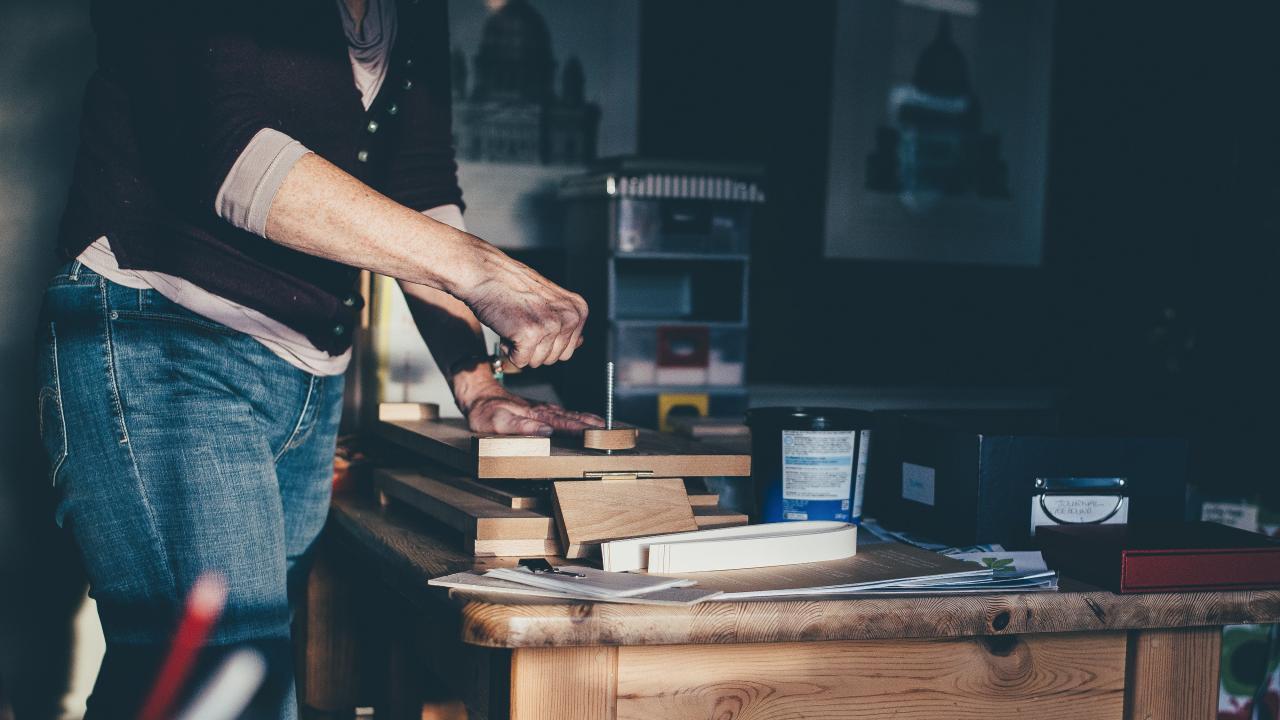
Upcycling old furniture offers a rewarding journey of transformation, allowing you to breathe new life into pieces with stories. This section showcases compelling examples, illustrating the diverse possibilities and inspiring your own creative endeavors. We will explore various projects, highlighting the steps involved and the aesthetic outcomes.Exploring successful upcycling projects provides valuable insight into the process. The following examples, ranging from simple modifications to complete overhauls, showcase the impact of careful planning and creative execution.
Completed Upcycling Projects
These examples demonstrate how repurposing existing furniture can create unique and personalized pieces. Each project illustrates a different approach and style, providing inspiration for your own upcycling endeavors.
| Project | Before | After | Description |
|---|---|---|---|
| Rustic Farmhouse Dining Table | (Imagine a weathered, dark-stained wooden table with simple, possibly damaged legs.) | (Visualize a light-washed, distressed wooden table with painted legs in a farmhouse-style color, perhaps a light blue or a warm gray. It could have added accents like wrought-iron details.) | A large wooden dining table was stripped of its old stain, and then lightly sanded and sealed. The legs were painted in a complementary farmhouse-style color, adding a touch of modern flair to the rustic charm. The table now boasts a fresh, inviting look suitable for a modern farmhouse setting. |
| Mid-Century Modern Coffee Table | (Picture a simple, possibly dark-stained wood coffee table with a rectangular shape and basic, possibly chrome, legs.) | (Imagine a painted white or light gray coffee table with a distinctive, slightly distressed finish. The legs might be painted in a bold color like teal or a warm gold, adding a modern twist.) | A mid-century modern coffee table received a complete makeover. The original stain was stripped, and the table was primed and painted in a light color. Bold colored accents were added to the legs, giving it a contemporary aesthetic while maintaining the original design elements. |
| Vintage Dresser | (Envision a vintage dresser with ornate carvings and possibly damaged or faded paint.) | (Picture a dresser with the original carvings, but repainted in a soft, pastel color like lavender or mint green. The handles might be replaced with unique knobs.) | A vintage dresser was transformed into a charming piece by carefully removing the old paint and sanding down the surface. The dresser was then primed and painted in a soft pastel color, highlighting the original details. New, decorative knobs replaced the original hardware, adding a touch of personalization. |
Project Process Details
Detailed explanations of the upcycling process are provided below, focusing on the tools and techniques used for each project. Understanding these techniques allows you to replicate the results in your own upcycling endeavors.
- Rustic Farmhouse Dining Table: The process involved stripping the old stain, sanding the wood to a smooth finish, and sealing the surface with a clear coat. The legs were primed and painted using a spray paint for a consistent finish. Tools included a paint scraper, sandpaper, a sealant, spray paint, and brushes.
- Mid-Century Modern Coffee Table: This project required stripping the old finish, priming the surface, and painting the table and legs. Different paint techniques were employed to achieve the distressed look. Tools included a paint scraper, sandpaper, primer, spray paint, and brushes.
- Vintage Dresser: The dresser’s transformation involved carefully removing the old paint, sanding, and priming. A new coat of paint was applied, followed by the installation of new decorative knobs. Tools used included a paint scraper, sandpaper, primer, paint, and screwdriver.
End of Discussion
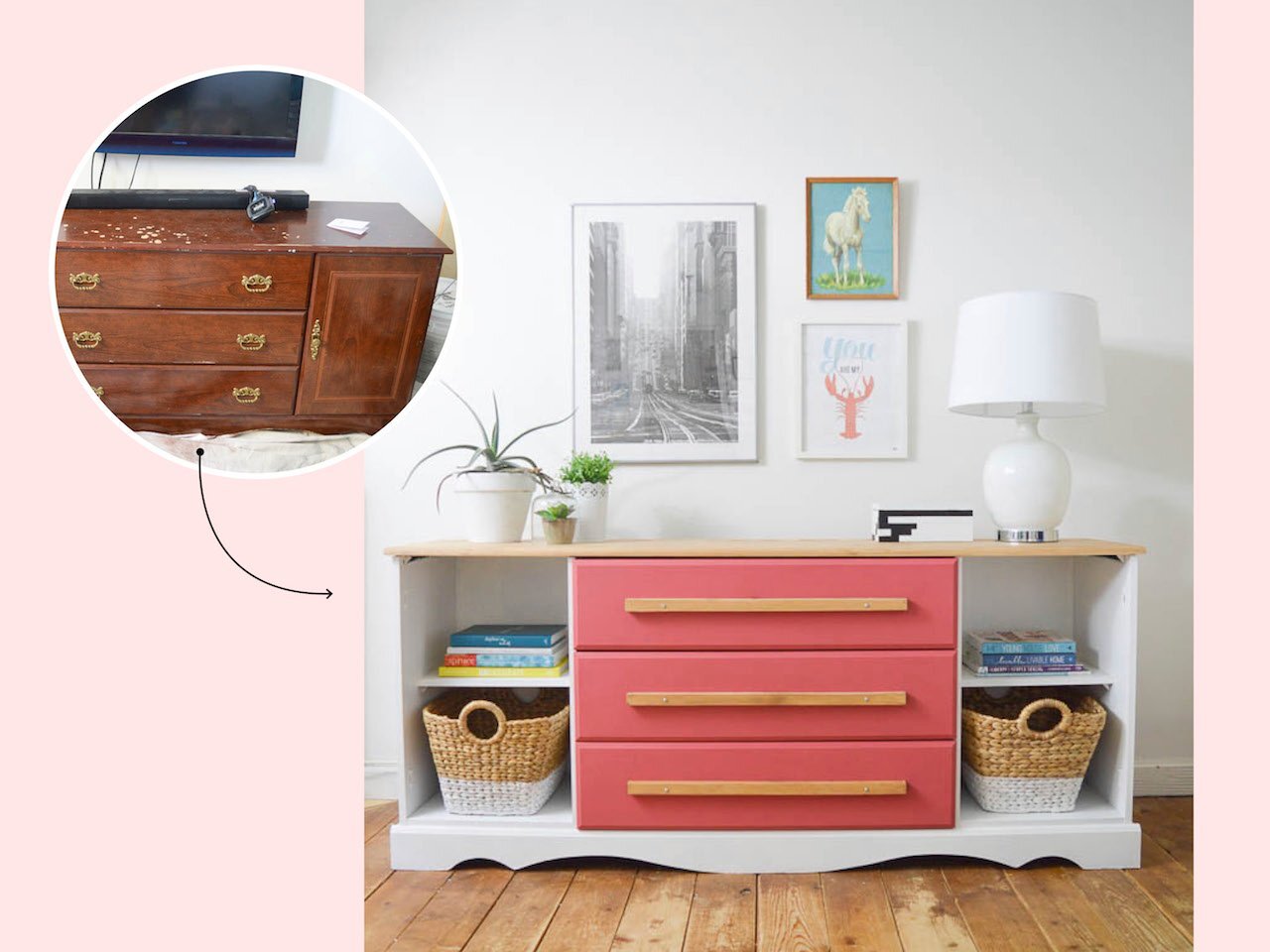
In conclusion, upcycling old furniture offers a unique blend of creativity, sustainability, and economic advantage. This guide has provided a comprehensive overview of the process, equipping you with the knowledge and inspiration to embark on your own upcycling journey. By understanding the history, identifying suitable pieces, planning effectively, mastering techniques, incorporating personal style, and prioritizing safety, you can transform discarded furniture into treasured, unique pieces.
Embrace the potential of upcycling and contribute to a more sustainable future, one beautiful piece at a time.