Reducing your home’s environmental impact is a crucial step towards a sustainable future. This guide provides a comprehensive overview of actionable strategies, from energy efficiency improvements and sustainable building materials to water conservation, transportation choices, waste reduction, renewable energy, landscaping, and dietary considerations. By understanding and implementing these methods, you can significantly decrease your home’s carbon footprint and contribute to a healthier planet.
Each section explores specific strategies for achieving reductions in different areas of your home’s operation. From simple adjustments to more substantial renovations, you’ll discover practical ways to lessen your environmental impact, tailored to fit various lifestyles and budgets. We’ll delve into the science behind each approach, demonstrating the tangible benefits of these choices for both your home and the environment.
Energy Efficiency Improvements
Reducing your home’s carbon footprint often starts with improving energy efficiency. By implementing these strategies, you can significantly lower your energy consumption and contribute to a more sustainable lifestyle. These improvements not only lessen your environmental impact but also result in substantial long-term savings on utility bills.Optimizing energy efficiency involves a multifaceted approach, from upgrading insulation to selecting energy-efficient appliances and implementing smart home technologies.
These measures collectively contribute to a more sustainable and cost-effective home environment.
Home Insulation Improvements
Effective insulation minimizes heat transfer, leading to reduced heating and cooling needs. Proper insulation significantly lowers energy consumption, thus reducing your carbon footprint. Different materials offer varying levels of insulation, each with unique characteristics and costs.
- Types of Insulation: Common insulation materials include fiberglass, cellulose, spray foam, and rigid foam. Each material offers varying levels of thermal resistance and installation complexity. Fiberglass batts, for instance, are widely used for walls and attics, while spray foam is often chosen for its airtight qualities. The choice depends on specific needs and the desired level of insulation.
- Installation Techniques: Proper installation is crucial for maximizing insulation’s effectiveness. This includes sealing air leaks around windows and doors, ensuring proper insulation thickness, and addressing any gaps or openings in the walls or attic. Professionals often use tools like blower doors to assess air leakage and recommend improvements.
- Importance of Proper Sealing: Sealing air leaks prevents drafts and reduces heat loss or gain, thus decreasing energy consumption. This includes sealing gaps around windows, doors, pipes, and electrical outlets.
Heating and Cooling System Optimization
Regular maintenance and upgrades to your heating and cooling systems are key to achieving energy efficiency. By optimizing these systems, you can lower energy use and reduce costs while contributing to environmental sustainability.
- Regular Maintenance: Routine maintenance, including cleaning filters, checking for leaks, and ensuring proper ventilation, is crucial. These practices ensure the system operates at peak efficiency, minimizing energy waste.
- Thermostat Programming: Smart thermostats offer advanced temperature control, allowing for customized schedules and energy savings. Programmable thermostats enable adjusting temperatures based on occupancy patterns and time of day, minimizing energy consumption when the house is unoccupied. They learn from user patterns and optimize energy usage.
- High-Efficiency Systems: Investing in high-efficiency heating and cooling systems, such as those with Energy Star ratings, can substantially lower energy consumption compared to older models. These systems are designed for improved efficiency, lowering energy bills and carbon footprint.
Energy-Efficient Appliance Choices
Choosing energy-efficient appliances is a vital step in reducing energy consumption. Appliance selection plays a crucial role in lowering your overall energy usage.
- Energy Star Ratings: Look for appliances with Energy Star ratings. These ratings signify the appliance’s efficiency compared to similar models. Higher ratings indicate lower energy consumption and thus lower operating costs.
- Appliance Comparison: Different appliances vary in energy efficiency. Washing machines, refrigerators, and dishwashers are prime examples. For example, an Energy Star refrigerator can significantly reduce electricity consumption compared to older models.
Smart Home Technologies for Energy Management
Smart home technologies provide advanced control over various aspects of your home, allowing for improved energy management. Integrating smart home devices offers greater control over energy use.
- Smart Thermostats: Smart thermostats can learn your schedule and adjust temperatures automatically. This helps maintain optimal comfort while reducing energy consumption. For instance, Nest thermostats learn your routine and adjust accordingly.
- Smart Plugs: Smart plugs allow you to monitor and control the energy consumption of individual appliances. This enables you to switch off appliances remotely or set schedules, optimizing energy use.
- Energy Monitoring Systems: Energy monitoring systems provide real-time insights into energy usage, enabling homeowners to identify areas for improvement and optimize energy consumption.
Insulation Types Comparison
| Material | R-Value | Cost |
|---|---|---|
| Fiberglass Batt | R-3 to R-13 | Moderate |
| Cellulose | R-3.5 to R-6 | Moderate |
| Spray Foam | R-3.5 to R-6.5 | Higher |
| Rigid Foam | R-4 to R-10 | Moderate to High |
Energy-Efficient Appliance Examples
| Model | Energy Star Rating | Estimated Savings (Annual) |
|---|---|---|
| Whirlpool WTW4500CW Washer | 4.5 | $30-$50 |
| LG LSXS22766 Refrigerator | 4.5 | $50-$75 |
| Bosch SHE33A50UC Dishwasher | 4.5 | $25-$40 |
Sustainable Building Materials

Reducing a home’s carbon footprint extends beyond energy efficiency. A significant portion of a building’s environmental impact stems from the materials used in its construction. Choosing sustainable alternatives can drastically lower the overall environmental burden, from the extraction and processing of raw materials to the building’s lifespan. This section explores various eco-friendly options and their environmental implications.Selecting materials with a lower embodied carbon footprint is crucial.
Embodied carbon refers to the greenhouse gas emissions associated with the entire lifecycle of a material, including extraction, manufacturing, transportation, and disposal. Minimizing this footprint can contribute to a significantly reduced environmental impact of the entire building.
Eco-Friendly Alternatives to Traditional Construction Materials
Traditional building materials often rely on resource-intensive processes. Sustainable alternatives, however, utilize recycled or renewable resources, reducing reliance on finite materials and minimizing environmental damage. Examples include bamboo, reclaimed wood, and recycled concrete aggregates.
Environmental Impact of Building Materials
Different materials have varying environmental impacts. The extraction and processing of some materials require substantial energy, resulting in high carbon emissions. For example, the production of cement, a common construction material, is a significant contributor to greenhouse gas emissions. Conversely, materials derived from recycled content or renewable sources often have a lower environmental footprint.
Carbon Footprint Comparison of Roofing Materials
The carbon footprint of roofing materials varies considerably. Asphalt shingles, while commonly used, have a relatively high embodied carbon footprint due to the extraction and processing of their components. Sustainable alternatives, such as recycled plastic shingles or metal roofing, often exhibit significantly lower carbon footprints. Recycled materials or locally sourced materials can further reduce the impact.
Sustainable Flooring Options
Sustainable flooring options offer a range of choices for environmentally conscious homeowners. Bamboo flooring, due to its rapid growth and renewable nature, is a popular alternative to traditional wood. Recycled rubber flooring is another excellent option, utilizing recycled tires as a primary material. Cork flooring, derived from the bark of cork oak trees, is a renewable resource and offers a natural, sustainable alternative.
Sourcing and Using Recycled Materials in Construction
The utilization of recycled materials in construction is crucial for reducing waste and lowering the environmental impact. Recycling construction debris, such as concrete and steel, can significantly reduce the demand for virgin materials. The process involves sorting, cleaning, and reprocessing the recycled material into new building products. This not only conserves resources but also reduces landfill waste.
Sustainable Building Materials and Their Environmental Benefits
| Material | Environmental Benefits |
|---|---|
| Bamboo | Rapid growth, renewable resource, low embodied carbon, strong and durable. |
| Reclaimed Wood | Reduces demand for new lumber, lower carbon footprint, often aesthetically appealing. |
| Recycled Concrete Aggregates | Reduces waste, conserves resources, lower embodied carbon than virgin concrete. |
| Recycled Plastic Shingles | Reduces reliance on virgin materials, lowers the carbon footprint compared to asphalt shingles. |
| Metal Roofing | Durable, long lifespan, lower embodied carbon compared to asphalt shingles. |
| Bamboo Flooring | Rapid growth, renewable resource, low embodied carbon, strong and durable. |
| Recycled Rubber Flooring | Utilizes recycled tires, reduces landfill waste, lowers embodied carbon. |
| Cork Flooring | Renewable resource, natural alternative, sustainable choice, durable. |
Water Conservation Techniques

Conserving water is crucial for reducing a home’s environmental impact. Water usage, from daily showers to laundry cycles, significantly contributes to a home’s carbon footprint, primarily due to the energy required for water treatment, heating, and transportation. Implementing water-saving strategies not only benefits the environment but also reduces household water bills.
Household Water-Saving Strategies
Effective water conservation begins with understanding how much water is being used in different areas of the home. By implementing simple changes in daily routines, significant reductions in water consumption can be achieved.
Low-Flow Fixtures and Appliances
Low-flow fixtures and appliances are designed to significantly reduce water usage without compromising performance. These products often feature innovative designs that restrict water flow while maintaining the desired functionality.
- Low-flow showerheads are readily available and offer a noticeable reduction in water consumption during showers. They achieve this through a combination of smaller nozzle openings and more efficient water channeling, often delivering a consistent water pressure despite the reduced flow rate. Replacing a standard showerhead with a low-flow model can save a considerable amount of water over time.
- Low-flow toilets are a key component in water-efficient plumbing. These fixtures often employ dual-flush mechanisms, enabling users to select between a full or half flush, based on the nature of the waste. This option reduces water consumption per flush significantly.
- Low-flow faucets, similarly to showerheads, reduce water usage by restricting the flow rate without impacting functionality. These fixtures are a valuable addition to kitchen and bathroom sinks, where water is frequently used.
Rainwater Harvesting Systems
Rainwater harvesting systems collect and store rainwater for non-potable uses, such as irrigation and toilet flushing. This technique significantly reduces reliance on municipal water supplies, leading to a reduced environmental footprint.
- Rainwater harvesting systems can be installed in a variety of ways, ranging from simple rain barrels to more complex systems that include storage tanks and distribution pipes.
- These systems are particularly beneficial for homes with extensive landscaping or in areas experiencing water scarcity, as they offer a reliable source of water for outdoor use.
Simple Water Conservation Tips
Implementing simple changes in daily routines can lead to significant water savings. These small steps, when combined, contribute to a substantial reduction in overall water consumption.
- Taking shorter showers can dramatically reduce water usage. Even a few minutes less in the shower can make a difference.
- Fixing leaky faucets or toilets promptly is essential. A dripping faucet can waste gallons of water over time.
- Turning off the tap while brushing your teeth or shaving can conserve water.
- Using a full load of laundry and dishwasher helps optimize water usage and minimize the number of cycles required.
- Watering lawns and gardens during the cooler parts of the day can reduce water evaporation.
Water Usage Comparison Table
This table provides a comparative overview of water usage across different appliances, illustrating the potential savings achievable through the adoption of water-efficient alternatives.
| Appliance | Typical Water Usage (per cycle/use) | Water-Efficient Alternative Usage (per cycle/use) | Approximate Savings |
|---|---|---|---|
| Standard Showerhead | 10-20 gallons | 5-8 gallons | 2-12 gallons/shower |
| Standard Toilet | 3-5 gallons/flush | 1.6 gallons/flush (dual-flush) | 1.4-3.4 gallons/flush |
| Standard Dishwasher | 10-15 gallons | 4-6 gallons | 4-9 gallons/cycle |
| Standard Washing Machine | 25-40 gallons | 15-20 gallons | 5-20 gallons/load |
Sustainable Transportation Choices
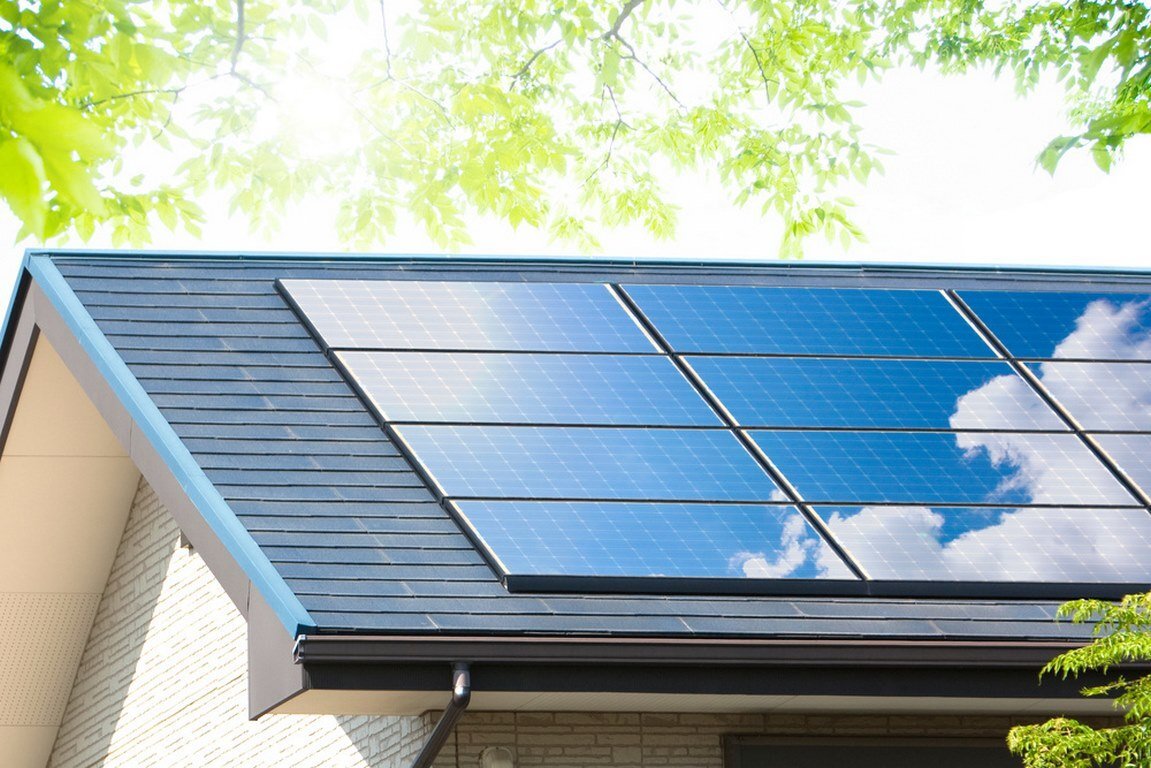
Transportation significantly impacts a home’s carbon footprint. The emissions from commuting, deliveries, and other travel activities contribute to greenhouse gas levels. Reducing these emissions is crucial for mitigating climate change and achieving a more sustainable lifestyle.Transportation choices play a pivotal role in minimizing a home’s environmental impact. By shifting towards sustainable methods, individuals and families can directly contribute to cleaner air and a healthier planet.
These methods encompass a spectrum of options, from personal adjustments to community-level initiatives.
The Connection Between Transportation and Home Carbon Footprint
Transportation is a major source of greenhouse gas emissions. Commuting to work, running errands, and other forms of travel release carbon dioxide and other pollutants into the atmosphere. These emissions contribute to climate change, impacting the environment and potentially increasing the frequency of extreme weather events. The amount of emissions depends on the type of transportation used.
Cars, for example, produce higher emissions per mile than bicycles or public transportation.
Ways to Reduce Transportation Emissions
Various strategies can be employed to reduce transportation emissions. Switching to electric vehicles (EVs) is a significant step, as they produce zero tailpipe emissions. However, the environmental impact also considers the electricity generation source used to charge the vehicle. Choosing energy-efficient vehicles, regardless of fuel type, can also help reduce emissions. Promoting carpooling and using public transport are equally effective ways to decrease emissions per person.
Walking and cycling are excellent alternatives with minimal or no emissions.
Alternative Transportation Methods
Alternative transportation methods are increasingly gaining popularity. Electric bicycles, scooters, and motorcycles offer emission-free or low-emission options for shorter trips. The use of ride-sharing services, while potentially emitting more than public transportation, can be an option in specific circumstances. The overall impact depends on factors such as the number of passengers and the distance travelled. The emergence of electric vehicles (EVs) is changing the landscape, with models like Tesla becoming increasingly common.
The choice of alternative methods depends on individual needs and circumstances.
Benefits of Carpooling or Using Public Transport
Carpooling and using public transport are highly effective in reducing individual carbon footprints. These options significantly decrease the number of vehicles on the road, thereby reducing overall emissions. Sharing a ride reduces the number of cars on the road, lowering the total emissions. Public transportation systems, like buses and trains, are often designed for high capacity, leading to lower emissions per passenger.
These shared transportation options contribute to a more sustainable urban environment.
Advantages of Walking or Cycling
Walking and cycling are excellent choices for short-distance travel. These methods offer a healthy alternative to motorized transport and promote physical well-being. They reduce emissions drastically, contributing to a healthier environment and potentially lower health care costs. The environmental benefits are clear, as walking and cycling produce no emissions. They also contribute to a more active and healthier lifestyle.
Transportation Options and Their Environmental Impact
| Transportation Option | Environmental Impact (Estimated per passenger mile) | Notes |
|---|---|---|
| Electric Vehicle (EV) | Low | Emissions depend on electricity source. |
| Hybrid Vehicle | Medium | Combines gasoline and electric power. |
| Gasoline Car | High | Significant emissions per passenger mile. |
| Public Transportation (Bus/Train) | Medium-Low | Emissions depend on the vehicle type and efficiency. |
| Bicycle | Zero | No emissions, promotes physical activity. |
| Walking | Zero | No emissions, excellent for short distances. |
“Choosing sustainable transportation options is crucial for minimizing our environmental impact and contributing to a healthier planet.”
Waste Reduction and Recycling
Reducing waste and practicing responsible recycling are crucial steps in minimizing a home’s environmental impact. Effective waste reduction strategies, coupled with proper recycling practices, can significantly lessen the amount of material sent to landfills and conserve valuable resources. Implementing these methods also contributes to a healthier environment for present and future generations.
Effective Waste Reduction Strategies
Minimizing waste generation begins with conscious consumption and careful planning. Adopting a “reduce, reuse, recycle” approach is a cornerstone of effective waste reduction. Prioritize purchasing items with minimal packaging, opting for reusable alternatives whenever possible, and finding creative ways to repurpose existing materials. This mindful approach extends to every aspect of daily life, from food shopping to household cleaning.
- Refuse single-use items: Avoid products designed for a single use, such as disposable plastic bags, cutlery, and straws. Choose reusable alternatives like cloth shopping bags, metal straws, and washable containers. This simple act dramatically reduces the volume of waste generated.
- Repurpose and upcycle: Transform old items into something new and useful. Torn clothing can be turned into cleaning rags, empty jars can become storage containers, and old newspapers can be used as packing material. Creativity and resourcefulness are key.
- Prioritize durable goods: Opt for products built to last, rather than disposable items. Invest in quality appliances and furniture that will outlast cheaper, mass-produced alternatives. This extends the lifespan of materials and minimizes waste over time.
Different Recycling Programs and Options
Understanding local recycling programs is essential for effective waste management. Recycling facilities differ in the materials they accept, so research your municipality’s specific guidelines. Many communities have curbside recycling programs, while others may require separate drop-off locations.
- Curbside Recycling Programs: Curbside programs are common in many residential areas. These programs typically collect specific materials, such as paper, plastic, glass, and metal. Residents are often provided with guidelines on what materials to place in designated containers.
- Drop-off Recycling Centers: Many communities have drop-off recycling centers where residents can bring specific materials for recycling. These locations often accept a broader range of materials than curbside programs. Information about specific items accepted, as well as operating hours, is readily available from local government websites.
- E-waste Recycling Programs: Electronic waste (e-waste) is a significant environmental concern. Many municipalities and organizations have established programs to collect and recycle electronic devices, including computers, televisions, and cell phones. These programs often involve designated drop-off locations or special collection days.
Composting
Composting is a natural and effective method for reducing organic waste. It transforms food scraps, yard waste, and other organic materials into nutrient-rich soil amendment. This process not only reduces landfill waste but also enriches garden soil, promoting plant growth and reducing the need for chemical fertilizers.
- Benefits of Composting: Composting reduces the volume of organic waste sent to landfills. The resulting compost enriches garden soil, improving plant health and reducing the need for chemical fertilizers. Composting also contributes to a healthier environment by reducing greenhouse gas emissions associated with organic waste decomposition in landfills.
- Setting up a Composting System: Various composting systems are available, ranging from simple backyard piles to more sophisticated indoor or outdoor bins. The most suitable option depends on space availability and personal preferences.
Reusable Products
Reusable products play a critical role in waste reduction. By choosing reusable alternatives to disposable items, households can significantly reduce their environmental impact.
- Reusable water bottles: Using reusable water bottles reduces reliance on single-use plastic bottles. These bottles are typically made of durable materials and can be used repeatedly.
- Reusable shopping bags: Carrying reusable shopping bags reduces the use of plastic bags, which are difficult to recycle and contribute significantly to landfill waste. This simple act can have a considerable impact on waste reduction.
- Reusable food containers: Utilizing reusable food containers for storage and transportation eliminates the need for disposable containers. These containers are often made of durable materials and are easy to clean.
Reducing Food Waste
Food waste is a substantial environmental concern. Significant reductions in food waste can be achieved through planning, storage, and consumption habits. Proper food storage techniques can extend the shelf life of produce, and careful meal planning can minimize overbuying.
- Planning meals: Planning meals in advance can help avoid buying more food than is needed. Creating a weekly menu reduces impulse purchases and prevents food from expiring in the refrigerator.
- Proper food storage: Proper food storage techniques can extend the shelf life of produce. Using airtight containers, storing produce in the appropriate compartments of the refrigerator, and utilizing the freezer can help maintain food freshness.
- Freezing leftovers: Freezing leftovers is an excellent way to avoid food waste. Portioning leftovers into freezer-safe containers helps maintain freshness and allows for convenient reheating later.
Recycling Options Table
| Material | Accepted Materials | Collection Schedule |
|---|---|---|
| Paper | Newspapers, magazines, cardboard | Tuesdays, 7 AM – 9 AM |
| Plastic | Plastic bottles, jugs, containers | Thursdays, 6 AM – 8 AM |
| Glass | Glass bottles and jars | Mondays, 8 AM – 10 AM |
| Metal | Aluminum cans, steel containers | Wednesdays, 9 AM – 11 AM |
Renewable Energy Sources
Harnessing renewable energy sources is crucial for mitigating our environmental impact and ensuring a sustainable future. By transitioning away from fossil fuels, we can reduce greenhouse gas emissions and create a healthier planet for generations to come. Renewable energy sources, unlike fossil fuels, are naturally replenished and do not contribute to the depletion of finite resources. Integrating them into our homes offers significant environmental and financial benefits.
Benefits of Using Renewable Energy Sources at Home
Renewable energy sources offer a multitude of advantages for homeowners. They significantly reduce a home’s carbon footprint, promoting environmental sustainability. Moreover, they can lead to substantial long-term cost savings on energy bills, especially in regions with abundant solar or wind resources. Consistent use of renewable energy can also enhance the property’s value.
Installation Process for Solar Panels or Other Renewable Energy Systems
The installation process for renewable energy systems, such as solar panels, typically involves several key steps. First, a professional assessment of the property’s solar potential is conducted, considering factors like roof orientation, sunlight exposure, and local regulations. Next, the system’s components, including panels, inverters, and mounting structures, are carefully installed according to local building codes. Post-installation, the system undergoes testing to ensure optimal performance.
Finally, regular maintenance and monitoring are crucial for maximizing the system’s lifespan and efficiency.
Financial Incentives for Adopting Renewable Energy
Numerous financial incentives encourage the adoption of renewable energy technologies. Governmental subsidies, tax credits, and rebates often provide substantial financial support for homeowners who install renewable energy systems. These incentives can significantly reduce the upfront costs associated with installing solar panels or other renewable energy systems. Researching local and national programs can yield substantial savings.
Different Renewable Energy Options
Various renewable energy options are available for homeowners, each with its own set of advantages and disadvantages. Solar energy, utilizing photovoltaic (PV) panels to convert sunlight into electricity, is a popular choice. Wind energy, leveraging wind turbines to generate electricity, is another option, particularly in areas with consistent wind speeds. Geothermal energy, harnessing the Earth’s internal heat, is a less common choice, but offers a constant source of energy.
Cost and Efficiency Comparison of Renewable Energy Systems
The cost and efficiency of renewable energy systems vary depending on factors like the system’s size, technology, and local conditions. Solar panel systems, for instance, typically have a higher upfront cost compared to other options. However, their long-term efficiency and potential for significant energy savings make them a compelling choice for many homeowners. Wind turbines may have a similar upfront cost but require larger land areas.
Geothermal systems, while highly efficient, often require significant upfront investment and may not be viable in all locations.
Comparison Table of Costs and Environmental Impact
| Renewable Energy Source | Initial Cost | Operational Cost | Environmental Impact | Efficiency |
|---|---|---|---|---|
| Solar PV | Moderate to High | Low | Low | High (variable depending on location) |
| Wind | High | Low | Low | High (variable depending on location) |
| Geothermal | High | Low | Very Low | Very High |
Note: Costs and efficiency are approximate and may vary based on location, system size, and other factors.
Sustainable Landscaping Practices
Sustainable landscaping plays a crucial role in reducing a home’s environmental impact. By employing water-wise techniques, selecting appropriate plants, and implementing rainwater harvesting, homeowners can significantly decrease their carbon footprint while enhancing their property’s aesthetic appeal. This approach not only conserves precious resources but also fosters biodiversity within the surrounding ecosystem.
Minimizing Water Use in Landscaping
Effective water conservation in landscaping hinges on the selection of appropriate plants and the implementation of irrigation techniques. Using native plants that are adapted to local conditions minimizes the need for frequent watering. Efficient irrigation systems, such as drip irrigation, can also reduce water waste. Properly mulching around plants helps retain soil moisture, further reducing the frequency of watering.
This strategic approach ensures the health and vitality of the landscape while promoting water conservation.
The Role of Native Plants
Native plants are remarkably well-suited to the local climate and soil conditions. They require less water and maintenance than non-native species. Furthermore, native plants support local ecosystems by providing habitat and sustenance for native insects, birds, and other wildlife. Their adaptation to the local environment makes them robust and resilient, reducing the need for pesticides and fertilizers.
This intrinsic resilience contributes to a lower carbon footprint.
Examples of Drought-Tolerant Plants
Numerous drought-tolerant plants thrive in arid and semi-arid climates. Some examples include succulents, cacti, and certain grasses. These plants are well-adapted to survive with minimal watering, making them an excellent choice for water-conscious landscaping. Proper selection of these plants ensures a vibrant and visually appealing landscape that requires minimal intervention.
Rainwater Harvesting for Irrigation
Utilizing rainwater for irrigation is an effective and environmentally friendly practice. Rainwater collection systems, such as rain barrels and cisterns, can collect and store rainwater for later use. This collected water can then be used to water gardens and lawns, reducing reliance on municipal water supplies. This practice is particularly beneficial in areas with limited water resources.
The collected water is clean and naturally filtered, enhancing the quality of irrigation.
Impact on Biodiversity
Landscaping choices significantly impact local biodiversity. Selecting native plants fosters a rich and diverse ecosystem by providing habitat and sustenance for local wildlife. Creating a variety of microhabitats, such as rock gardens or meadows, supports a broader range of species. This approach fosters a harmonious relationship between the landscape and the surrounding environment. This strategy creates a thriving ecosystem supporting native insects, birds, and other wildlife.
Drought-Resistant Plants and Their Water Requirements
| Plant Type | Water Requirement (per week) | Description |
|---|---|---|
| Succulents (e.g., Echeveria, Sedum) | 1-2 liters | These plants store water in their fleshy leaves, making them highly drought-tolerant. |
| Cacti (e.g., Prickly Pear, Barrel Cactus) | 1-2 liters | Cacti are adapted to extremely dry conditions, requiring minimal watering. |
| Native Grasses (e.g., Blue Grama, Buffalo Grass) | 2-4 liters | Native grasses require less water than many other grasses and are well-suited to the local environment. |
| Mediterranean Shrubs (e.g., Rosemary, Lavender) | 2-4 liters | These shrubs are adapted to dry conditions and require less water than many other shrubs. |
“Choosing native plants is a powerful way to reduce your home’s environmental impact and support the local ecosystem.”
Dietary Choices and Food Waste Reduction

Dietary choices significantly impact a household’s carbon footprint. From the farm to the table, food production and consumption involve complex environmental processes. Understanding these impacts and adopting sustainable dietary practices can contribute meaningfully to reducing your home’s environmental impact. Minimizing food waste is another crucial element in this effort. By making conscious decisions about what we eat and how we handle food, we can lessen our environmental footprint.The environmental impact of food extends beyond the plate.
The entire lifecycle of food, from growing the ingredients to transporting them to your table, involves various stages that consume resources and generate emissions. The type of diet, the food’s origin, and the methods of production and transportation all influence the carbon footprint associated with a particular meal.
Impact of Dietary Choices
Dietary choices profoundly affect a household’s carbon footprint. Meat-heavy diets typically have a larger environmental impact than plant-based diets due to the higher resource consumption and emissions associated with animal agriculture. Plant-based diets, while varied, generally have a smaller environmental footprint. Examples include vegetarianism, veganism, and flexitarianism, each with varying levels of environmental impact reduction potential.
Plant-Based Diets and Their Benefits
Plant-based diets, including vegetarian and vegan options, can reduce a household’s carbon footprint by lowering reliance on animal agriculture. Plant-based diets often involve consuming more fruits, vegetables, legumes, and whole grains. These foods generally require fewer resources and produce fewer emissions compared to animal products. Reducing meat consumption, particularly red meat, can be a substantial step toward a more sustainable diet.
Strategies to Reduce Food Waste
Food waste is a significant contributor to a household’s environmental footprint. Significant amounts of food are discarded at the consumer level, resulting in wasted resources and emissions throughout the supply chain. Strategies for reducing food waste include proper storage techniques, meal planning, and portion control. Recognizing expiration dates and utilizing leftovers creatively are also effective strategies. Careful inventory management and the conscious use of leftovers, as well as minimizing impulse purchases, are also essential steps.
Impact of Food Miles
The distance food travels from farm to table, known as “food miles,” directly affects a household’s carbon footprint. Long-distance transportation often involves fossil fuel consumption, leading to greenhouse gas emissions. Locally sourced produce generally has a lower carbon footprint compared to imported foods due to reduced transportation distances. Prioritizing local farmers’ markets and supporting regional food systems can minimize the environmental impact of food consumption.
Environmental Impact of Different Foods
The environmental impact of different foods varies significantly. Factors like water usage, land use, and emissions associated with production and transportation influence a food’s carbon footprint. The following table provides a general overview of the environmental impact of different food types.
| Food Type | Environmental Impact (General Estimate) |
|---|---|
| Beef | High |
| Lamb | High |
| Pork | Medium |
| Poultry | Medium |
| Dairy Products | Medium |
| Fruits and Vegetables (Locally Sourced) | Low |
| Fruits and Vegetables (Imported) | Medium to High |
| Grains | Low to Medium |
| Legumes | Low |
Note: The table above provides a general estimate of environmental impact. Specific values may vary depending on production methods, transportation distances, and other factors.
Summary
In conclusion, minimizing your home’s carbon footprint is achievable through a multifaceted approach. This guide has presented a range of practical strategies, from energy efficiency upgrades to sustainable landscaping and dietary choices. By adopting these recommendations, you can significantly lessen your environmental impact, contribute to a healthier planet, and create a more sustainable home for yourself and future generations.
The detailed tables included offer a practical resource for comparison and decision-making. Ultimately, your active participation in reducing your home’s carbon footprint creates a ripple effect of positive change.