Food waste is a significant issue impacting both our wallets and the environment. This comprehensive guide provides practical strategies to minimize food waste in your kitchen, from meticulous meal planning to creative repurposing techniques. By implementing these tips, you can not only save money but also contribute to a more sustainable lifestyle.
This guide delves into seven key areas: planning and inventory management, storage and preservation techniques, utilizing leftovers and food scraps, portion control and meal preparation, understanding food expiration dates, educating family members and guests, and reducing waste specific to different food groups. Each section offers actionable advice, detailed explanations, and helpful examples to empower you to make a real difference.
Planning & Inventory Management
Effective food waste reduction begins with thoughtful planning and a clear understanding of your kitchen’s inventory. By meticulously tracking what you have and creating a strategic meal plan, you can significantly minimize the amount of food that ends up in the trash. This proactive approach not only saves money but also contributes to a more sustainable lifestyle.
Weekly Meal Planning
A well-structured weekly meal plan is crucial for reducing food waste. This involves considering what you already have on hand, what you need to purchase, and how to utilize leftovers creatively. Instead of creating a list of random dishes, consider what you enjoy eating and what ingredients you already have. This minimizes impulsive purchases and ensures you’re using up existing ingredients.
- Prioritize existing ingredients: Begin by reviewing your current inventory. List all available fruits, vegetables, proteins, and other staples. This inventory forms the foundation of your meal plan. By prioritizing ingredients already in your possession, you avoid buying items you already have, thereby decreasing the chances of wasted food.
- Choose recipes that utilize multiple ingredients: Select recipes that incorporate several of your existing ingredients. This maximizes the use of your current stock and reduces the need to purchase additional items. Consider dishes that can be easily adjusted to accommodate available ingredients, making your meal planning flexible.
- Plan for leftovers: When creating a recipe, consider how you can adapt it to accommodate leftovers. For instance, roasted vegetables can be transformed into a frittata, or leftover chicken can be incorporated into a salad.
- Flexibility and adjustments: Be prepared to adjust your meal plan as needed. Life happens, and unforeseen circumstances may require alterations. Maintaining flexibility in your planning will help you adapt to changing circumstances without significant food waste.
Inventory Management System
Maintaining a comprehensive inventory of your kitchen’s contents is essential for effective food waste reduction. This enables you to know exactly what you have, what’s nearing its expiration date, and what needs to be used first.
- Visual Inventory: Regularly review your refrigerator, pantry, and freezer. Create a visual inventory by noting the items present, their quantities, and approximate expiration dates. A simple spreadsheet or a dedicated app can help track this information.
- Expiration Date Tracking: Implement a system for tracking expiration dates. Use a calendar, a whiteboard, or a digital app to monitor the freshness of items. Color-code items based on their remaining freshness. This ensures that you utilize older items before they expire, thereby minimizing waste.
- First-In, First-Out (FIFO): Apply the FIFO principle. Place newer items behind older ones in your refrigerator and pantry. This helps you use older items first, preventing them from expiring before you can consume them.
Grocery Shopping Checklist
A well-designed grocery shopping checklist can further prevent food waste. This involves using your inventory list as a guide for your purchases, focusing on items that are running low or have short shelf lives.
- Based on existing inventory: Create a shopping list based on your current inventory. Note which items are low in supply and those with impending expiration dates. This helps you strategically purchase only the items you need, thereby minimizing impulse buys.
- Prioritize perishables: Plan your grocery run to purchase perishables closer to your meal preparation times. This will help to minimize waste from overstocking. Consider buying smaller quantities of items that have a shorter shelf life.
- Avoid overbuying: Purchase only the necessary quantities of ingredients. Consider purchasing smaller portions of items you use less frequently. This will help to avoid food waste from buying in excess quantities.
Leftover Utilization
Leftovers are a valuable resource, often underutilized. Developing strategies to creatively repurpose leftovers can prevent them from going to waste.
- Transform leftovers into new dishes: Consider transforming leftover roasted vegetables into a soup or stir-fry. Use leftover cooked chicken to make sandwiches, salads, or pasta dishes. This minimizes the need for purchasing new ingredients for your next meal.
- Creative repurposing examples: Leftover rice can be used in fried rice or as a base for a vegetable stir-fry. Leftover cooked beans can be used in salads or as a topping for tacos. Leftover cooked vegetables can be used in soups or stews.
Prioritizing Less Desirable Foods
Prioritizing less desirable foods in your meals can prevent them from going to waste. This involves creatively incorporating these items into recipes that make them more appealing.
- Incorporate into appealing dishes: Turn less-favored vegetables into a flavorful stir-fry. Utilize less-than-perfect produce in smoothies or soups. Incorporate less-than-perfect produce in recipes that mask any imperfections. This helps to avoid discarding these items unnecessarily.
- Creative recipe adaptation: Adapt recipes to use less-than-perfect fruits and vegetables. For example, if you have slightly bruised bananas, use them in a banana bread recipe.
Storage & Preservation Techniques
Proper food storage is crucial for maintaining freshness, reducing waste, and ensuring food safety. Effective techniques extend the shelf life of various food types, preventing spoilage and maximizing the nutritional value of your meals. Implementing these strategies in your kitchen will minimize food waste and contribute to a more sustainable approach to food management.Effective food storage methods not only maintain freshness but also prevent the growth of harmful bacteria and other microorganisms.
Proper temperature control, airtight containers, and appropriate humidity levels all play vital roles in preserving food quality. Understanding these techniques is key to extending the usability of your ingredients.
Proper Food Storage Techniques
Proper food storage techniques are essential for preserving food quality and safety. Different foods require specific conditions to maintain freshness and prevent spoilage. Careful attention to these details can significantly reduce food waste.
- Refrigeration: Refrigeration slows the growth of bacteria and enzymes that cause food to spoil. Ensure proper temperature control within your refrigerator. Raw meats should be stored on the lowest shelf, separate from other foods to prevent cross-contamination. Dairy products, fruits, and vegetables should be stored in appropriate containers or produce bags, considering their individual needs.
Leftovers should be refrigerated within one hour of cooking.
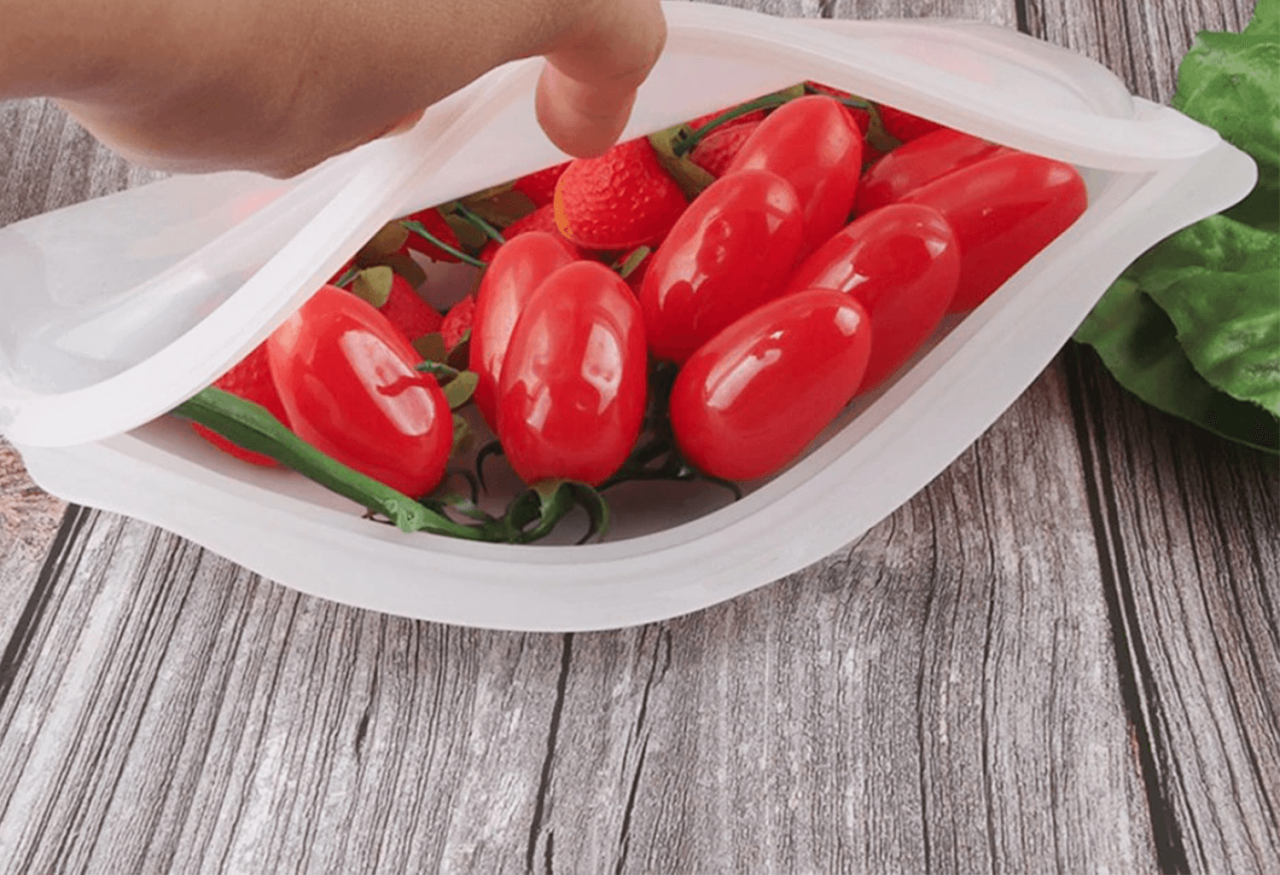
- Freezing: Freezing is an effective method for long-term food preservation. Properly freezing foods prevents freezer burn, which occurs when ice crystals form on the surface of the food due to moisture loss. Freezing foods in airtight containers or freezer bags helps to maintain their quality. Label and date your frozen items for easy identification and tracking.
- Dry Storage: Dry storage is suitable for non-perishable foods like grains, legumes, and dried fruits. Store these items in cool, dry, and dark places to maintain their quality and prevent insect infestations. Use airtight containers to protect against moisture and pests.
Comparison of Storage Methods for Various Food Types
Different food types respond differently to various storage methods. Matching the storage method to the specific food item ensures optimal freshness and safety.
- Fruits: Fruits like berries and apples benefit from refrigeration to slow down ripening and decay. Fruits like bananas and avocados are best stored at room temperature until they reach desired ripeness, then refrigerated. Proper storage conditions can extend the shelf life of fruits significantly.
- Vegetables: Many vegetables, such as leafy greens and root vegetables, benefit from refrigeration. Properly storing them in airtight containers or produce bags can help retain moisture and freshness. Some vegetables, like potatoes and onions, are best stored in a cool, dark, and dry environment.
- Proteins: Raw meats, poultry, and seafood should be refrigerated at or below 40°F (4°C). Properly storing proteins in airtight containers helps to maintain freshness and prevent cross-contamination. Frozen proteins can be stored for longer periods, ensuring their safety and quality.
Freezing and Thawing Foods Safely
Safe freezing and thawing procedures are essential to prevent foodborne illnesses. Following these procedures ensures the safety and quality of frozen foods.
- Freezing: Freeze foods in single-serving portions or smaller containers to facilitate quick thawing and prevent large portions from sitting in the refrigerator for extended periods. Label and date your frozen items for easy identification and tracking.
- Thawing: Thaw frozen foods safely in the refrigerator, in cold water, or in the microwave. Never thaw foods at room temperature, as this creates a breeding ground for harmful bacteria. Use the thawed food immediately.
Preservation Methods
Various preservation methods, including canning, drying, and pickling, extend the shelf life of foods. Understanding the benefits and drawbacks of these methods is crucial for maximizing food preservation.
- Canning: Canning preserves food by heating it to high temperatures and sealing it in airtight containers. This method effectively eliminates harmful bacteria and extends shelf life. Proper canning techniques are essential to ensure food safety and prevent spoilage. However, it requires specialized equipment and knowledge to avoid contamination.
- Drying: Drying removes moisture from food, preventing microbial growth and extending its shelf life. This method is well-suited for fruits, vegetables, and meats. It is a relatively simple method, requiring minimal equipment, but it can impact the texture and taste of the food.
Storage Life Comparison Table
This table provides a general comparison of the storage life for various fruits, vegetables, and proteins. Storage conditions and individual factors can influence these values.
| Food Item | Refrigeration (days) | Freezing (months) |
|---|---|---|
| Apples | 1-2 weeks | 6-12 |
| Broccoli | 3-5 days | 8-12 |
| Chicken Breast | 1-2 days | 8-12 |
Optimal Storage Temperatures
Optimal storage temperatures are crucial for maintaining food quality and safety. Maintaining these temperatures helps to prevent spoilage and the growth of harmful bacteria.
- Refrigerator: Maintain a temperature of 40°F (4°C) or below. This range is critical for preventing the growth of harmful bacteria.
- Freezer: Maintain a temperature of 0°F (-18°C) or below. This temperature is essential for long-term food preservation and preventing freezer burn.
Utilizing Leftovers & Food Scraps
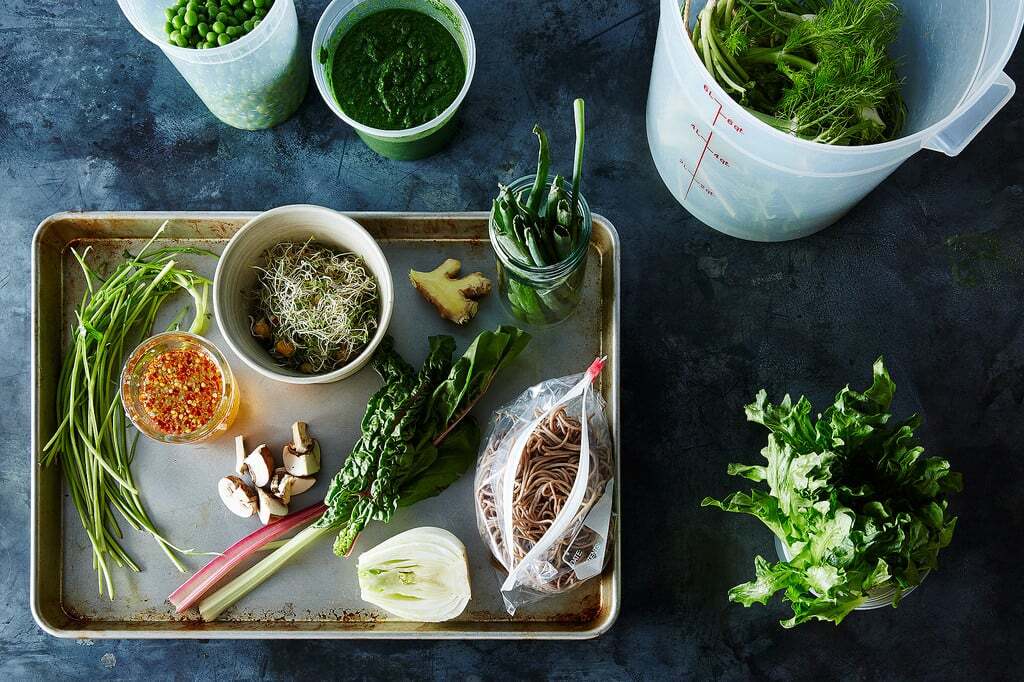
Reducing food waste extends beyond simply avoiding overbuying; it also encompasses creatively repurposing what we already have. By transforming leftovers and food scraps into new meals, we can significantly minimize our environmental impact while maximizing the nutritional value of our ingredients. This section delves into the various methods of utilizing leftovers and food scraps, highlighting their versatility and the potential for resourcefulness in the kitchen.Leftovers, often relegated to the refrigerator’s depths, hold a wealth of untapped culinary potential.
Clever preparation and innovative recipes can transform these previously consumed dishes into satisfying and exciting new meals. Similarly, food scraps, often perceived as waste, can be transformed into valuable resources, enriching our meals and promoting a more sustainable approach to food preparation. This section will showcase these methods, providing a comprehensive guide to turning what was once considered waste into delicious and nutritious dishes.
Repurposing Leftover Cooked Food
Transforming leftover cooked food into new dishes can be a delightful culinary adventure. By understanding the versatility of different ingredients, we can create exciting and satisfying new meals. A simple pasta sauce can be incorporated into a hearty stew, or leftover roasted vegetables can add depth to a flavorful quiche. The possibilities are vast, limited only by imagination and the available ingredients.
- Pasta Dishes: Leftover roasted chicken or vegetables can be added to pasta dishes, transforming them into complete and flavorful meals. A simple addition of herbs and spices can elevate the flavor profile, making them a delightful and quick option.
- Soups and Stews: Leftover cooked meats, beans, and vegetables can be incorporated into soups or stews, enhancing the depth of flavor and adding nutrients to the dish. This is an excellent way to use up multiple types of leftovers simultaneously.
- Salads and Sandwiches: Leftover cooked proteins and vegetables can be incorporated into salads and sandwiches, providing a nutritious and satisfying meal. The addition of fresh herbs and a simple vinaigrette can transform a simple salad into a culinary delight.
Transforming Food Scraps into Resources
Food scraps, often discarded, can be transformed into useful resources. Vegetable peels, coffee grounds, and fruit skins can be repurposed, reducing waste and enriching our culinary creations.
- Vegetable Peels: Vegetable peels, often discarded, can be added to stocks or soups, adding depth of flavor and nutritional value. Peels rich in fiber and vitamins contribute to a more wholesome meal. The addition of vegetable peels can enrich the flavor and nutrient profile of soups and stocks.
- Coffee Grounds: Coffee grounds, after brewing, can be used as a natural fertilizer for houseplants or as a soil amendment. They can also be added to compost piles to enrich the soil and provide essential nutrients.
- Fruit Skins: Fruit skins, often discarded, can be added to jams, jellies, or chutneys. They can also be used to add a unique flavor and texture to baked goods. Their natural sweetness can elevate the flavor of many dishes.
Nutritional Value of Leftovers and Scraps
Leftovers and food scraps retain significant nutritional value, depending on the original ingredients. For instance, leftover grains like rice and quinoa can be repurposed into salads or stir-fries, providing complex carbohydrates. Vegetable peels often contain vitamins and minerals, while coffee grounds offer beneficial nutrients for plants.
Repurposing Table
| Food Scrap | Potential Repurposing Options |
|---|---|
| Vegetable peels | Stocks, soups, stews, compost |
| Coffee grounds | Plant fertilizer, soil amendment, compost |
| Fruit skins | Jams, jellies, chutneys, baked goods |
| Stale bread | Croutons, breadcrumbs, stuffing |
Portion Control & Meal Preparation
Proper portion control and meal preparation are crucial components of reducing food waste in the kitchen. By carefully planning and preparing meals, you can significantly minimize the amount of food that ends up in the trash. This approach not only saves money but also contributes to a more sustainable and environmentally conscious lifestyle. It’s about preparing only what you need, which directly translates to less food waste.Effective portion control is more than just eyeballing portions; it’s about precision and planning.
By understanding your needs and adjusting your cooking methods, you can effectively minimize leftovers and ensure that every meal is enjoyed without excess. This also prevents the tendency to overeat, which in turn, can lead to a healthier lifestyle.
Importance of Portion Control
Portion control is essential for minimizing food waste because it directly addresses the amount of food prepared versus the amount consumed. Over-portioning often results in substantial food waste, as leftovers are discarded. Understanding individual appetites and adjusting portion sizes accordingly prevents unnecessary food preparation and reduces the risk of spoilage. Careful portioning ensures that you are consuming the optimal amount of food for your needs.
Strategies for Portioning Meals Effectively
Planning meals ahead and creating a shopping list based on the planned menu is a key strategy. This allows for accurate estimations of the required ingredients and quantities. Utilizing measuring tools such as cups and spoons, along with digital scales, provides precise measurements, eliminating guesswork and ensuring that you prepare only the necessary quantities of each ingredient.
Methods for Cooking Only the Amount Needed
Cooking only the amount of food needed for the meal reduces food waste significantly. This can be achieved through various methods, including using smaller pots and pans to prepare meals for fewer people, or by adjusting recipes to accommodate smaller portion sizes. Utilizing individual serving dishes for each person can help visualize and control portion sizes, thus avoiding over-portioned meals.
Guide on Portioning Food for Individual Meals
A helpful guide for portioning food for individual meals involves considering factors such as age, activity level, and dietary needs. For example, a child’s portion will differ from an adult’s. Using standardized portion sizes, based on established dietary guidelines, can ensure balanced meals. Creating individual meal plans, with estimated portion sizes for each dish, is also beneficial.
Adjusting Portion Sizes Based on Meal Frequency
Adjusting portion sizes based on meal frequency is essential for preventing waste. For example, if you are preparing meals for a family of four on a regular basis, portion sizes will differ from preparing meals for just one or two people. If you’re preparing for a large party or gathering, it’s advisable to prepare a larger quantity of food but to also have an estimated amount of leftovers.
Planning ahead and adjusting portions accordingly helps ensure you are preparing the appropriate amount for the meal and guest count. Knowing your consumption patterns and adjusting the recipe or portion sizes based on those patterns will be very useful.
Understanding Food Expiration Dates
Properly interpreting food expiration dates is crucial for minimizing food waste and ensuring food safety. Knowing the distinctions between “sell-by,” “use-by,” and “best-before” dates empowers you to make informed decisions about your food purchases and storage practices. This section delves into the nuances of these labels, highlighting the impact of storage and providing a practical guide for recognizing spoilage.
Understanding Expiration Date Terminology
Expiration dates, often found on food packaging, provide guidance on the best time to consume a product. These dates are not uniform and serve different purposes. The three primary types are “sell-by,” “use-by,” and “best-before.” Understanding their specific meanings is vital for efficient food management.
- Sell-by Dates: These dates indicate the last day a retailer can legally display a product for sale. This date is primarily for the retailer, not a definitive indicator of when the food becomes unsafe. The product might be perfectly safe and wholesome to consume after the sell-by date. Often, these dates are set based on a product’s peak quality and visual appeal, rather than its safety.
- Use-by Dates: These dates indicate the last day a food item is considered at its peak quality and safety. After this date, the food’s quality might decline, or its safety might be compromised. This date is crucial for ensuring the highest quality and safety of the product.
- Best-before Dates: These dates indicate the last day a food product is expected to be at its best quality. After this date, the food’s quality might decline in terms of taste, texture, or nutritional value, but it is usually safe to consume. These dates are not associated with safety concerns.
Interpreting Food Labels
Carefully reviewing food labels is essential to understanding the intended meaning of the expiration date. “Sell-by,” “use-by,” and “best-before” dates are not always consistently applied across different food products. Always check the packaging for a clear explanation of the intended meaning.
Impact of Improper Storage on Expiration Dates
Proper storage significantly influences how long a food product remains safe and palatable. Poor storage conditions, such as inadequate temperature control or improper packaging, can accelerate spoilage, affecting the expiration dates implicitly.
- Temperature Fluctuations: Sudden changes in temperature, especially for perishable items like dairy products and meats, can hasten deterioration and reduce the effective “use-by” period.
- Contamination: Improper handling and storage can introduce harmful bacteria, shortening the usable lifespan and potentially posing safety risks.
- Air Exposure: Open packaging allows air and moisture to interact with food, promoting bacterial growth and potentially reducing the quality and safety of the product.
Recognizing Signs of Spoilage
Beyond expiration dates, knowing the signs of spoilage is vital for food safety. Even if the date hasn’t passed, certain changes in appearance, smell, and texture can indicate that a food product is no longer safe or desirable.
- Appearance: Changes in color, mold growth, or unusual discoloration.
- Odor: Unpleasant, sour, or putrid smells.
- Texture: Slimy, sticky, or excessively soft textures.
Expiration Date Guide
| Food Type | “Sell-by” | “Use-by” | “Best-before” |
|---|---|---|---|
| Milk | For display purposes | For peak quality and safety | For best flavor and texture |
| Meat | For display purposes | For safety | For best flavor and texture |
| Bread | For display purposes | Not applicable | For best freshness |
| Eggs | Not applicable | For safety | Not applicable |
Educating Family Members & Guests
Educating family members and guests about food waste reduction is crucial for creating a culture of mindful consumption within your household and beyond. This involves more than just individual actions; it’s about fostering a shared understanding and commitment to minimizing food waste, both at home and during social gatherings. By proactively engaging everyone, you can create positive changes and promote responsible food habits.
Strategies for Family Education
Effective communication and engagement are key to educating family members about the importance of reducing food waste. Encouraging a shared understanding fosters responsible consumption habits. This can involve open discussions about the environmental and economic impacts of food waste, as well as highlighting the personal benefits of mindful food management.
- Open Dialogue: Initiate conversations about food waste at family meals or during other gatherings. Explain the environmental and financial implications, and emphasize the personal satisfaction that comes with reducing waste. Use age-appropriate language to engage different members of the family.
- Visual Aids: Employ visual aids such as charts or posters to illustrate the amount of food wasted and the impact of those actions. This can be particularly effective for younger family members who might respond better to visual cues. Examples include a simple bar graph showing the volume of wasted food versus food consumed.
- Role Modeling: Demonstrate mindful food habits yourself. This includes careful portioning, using storage techniques, and being mindful of consumption rates. Your actions serve as a powerful example for others. This approach helps to foster a positive, shared understanding of responsible food management practices.
Encouraging Responsible Consumption Habits
Implementing specific strategies can encourage responsible food consumption habits within the household. This can include establishing clear expectations, providing resources, and offering rewards for participation.
- Clear Expectations: Establish clear expectations about food consumption. For example, encourage family members to only take what they can realistically eat or to communicate their portion needs beforehand. Make this a family norm.
- Resource Provision: Provide resources to help family members understand food waste reduction, such as informative materials or access to educational websites. These can include recipes using leftovers, simple guides on storage techniques, or even online tools that help to plan meals and track consumption.
- Positive Reinforcement: Offer positive reinforcement for responsible food consumption behaviors. This could be a small reward system or simply verbal acknowledgment and praise. These encourage positive habits and can be more impactful than punitive measures.
Minimizing Food Waste During Gatherings
Careful planning and communication are essential for minimizing food waste during gatherings and parties. Understanding guest expectations and anticipating consumption patterns will help you reduce food waste.
- Guest Estimation: Create a system for estimating guest appetites. Consider using a questionnaire or asking guests to indicate their expected portion sizes ahead of time. This helps in preventing over-ordering and under-estimating needs. For example, a simple survey requesting approximate portion sizes for key dishes can be very helpful.
- Portion Control: Implement a portioning system for food based on guest estimates. Prepare dishes in smaller portions or in individual servings to prevent overconsumption. Ensure portion sizes are appropriate for the expected number of guests and the anticipated consumption rates.
- Clear Communication: Communicate with guests about food consumption and storage expectations. Provide clear guidelines on how to utilize leftovers and any food that is nearing its expiration date. Clearly label food items to ensure guests know which items are best utilized sooner.
Food Waste Reduction in Specific Food Groups
Minimizing food waste isn’t just about saving money; it’s also about reducing environmental impact. Understanding how to manage different food groups effectively is crucial for achieving significant reductions. By adopting smart strategies, we can transform our kitchens into more efficient and sustainable food ecosystems.
Fruit Waste Reduction Strategies
Proper storage and handling are key to extending the shelf life of fruits. Different fruits have varying needs, so understanding these nuances is essential. Knowing the optimal storage conditions (e.g., room temperature, refrigeration, humidity) can significantly impact their longevity. Implementing these techniques will reduce the amount of wasted produce.
- Proper Storage: Store fruits like apples and pears at room temperature, away from direct sunlight. Berries and grapes should be kept refrigerated to maintain freshness. Fruits prone to bruising, such as avocados and mangoes, should be handled with care and stored appropriately.
- Identifying and Using Imperfect Produce: Don’t let aesthetically imperfect fruits go to waste. Slightly bruised or oddly-shaped fruits can still be delicious and nutritious. Use them in smoothies, sauces, or baked goods.
- Planning and Utilizing Seasonal Produce: Purchase fruits that are in season. Seasonal fruits are generally cheaper and taste better. Plan meals around these fruits to avoid overbuying and subsequent waste.
- Freezing Fruits for Later Use: Freezing fruits is a great way to preserve them for later use in smoothies, jams, or baked goods. Freezing methods often preserve nutrients and taste better than other preservation methods.
Vegetable Waste Reduction Strategies
Proper handling and storage, as well as smart meal planning, are vital for reducing vegetable waste. Vegetables, like fruits, have varying storage needs, so tailoring storage to specific types is important.
- Storage Techniques: Store root vegetables like carrots and potatoes in a cool, dark, and dry place. Leafy greens like lettuce and spinach should be stored in the refrigerator in a sealed container or wrapped in a damp paper towel to maintain freshness. Cruciferous vegetables like broccoli and cauliflower can be stored in the refrigerator for several days, but freezing them is often a better long-term preservation option.
- Meal Planning and Preparation: Plan meals around vegetables to ensure they are consumed before they spoil. Chop vegetables in advance and store them in airtight containers to prevent spoilage.
- Utilizing Vegetable Scraps: Vegetable scraps like carrot tops and onion peels can be used to create stocks and broths, adding flavor and nutrients to your meals. Avoid discarding them.
- Freezing Vegetables: Freezing is a reliable method to preserve the quality and nutrients of vegetables. Blanching before freezing helps maintain their texture and flavor.
Protein Waste Reduction Strategies
Planning, portion control, and smart storage are key to reducing protein waste. Proteins require careful handling to maintain their quality and safety.
- Portion Control and Meal Planning: Plan your meals and portions to ensure that proteins are used before they spoil. Cook only the amount needed for the meal.
- Proper Storage and Refrigeration: Store cooked proteins in airtight containers and refrigerate them promptly. Follow recommended refrigerator storage times to maintain food safety.
- Utilizing Leftovers: Repurpose leftover proteins in soups, salads, or sandwiches. Freezing leftover proteins in individual portions is also a good strategy.
- Freezing Raw Protein: Freezing raw proteins like meat and poultry is a great way to preserve them for later use. Properly label and date frozen items for easy tracking.
Grains and Starches Waste Reduction Strategies
Planning, storage, and proper labeling are crucial to minimize grain and starch waste. These food items are susceptible to spoilage if not handled correctly.
- Proper Storage: Store grains and starches in airtight containers in a cool, dry, and dark place to maintain their freshness. This is especially important for preventing moisture damage and insect infestation.
- Using Ingredients in Recipes: Plan your recipes around the grains and starches you have on hand to prevent them from going stale. Using them in advance avoids unwanted waste.
- Freezing for Long-Term Storage: Freezing grains and starches like pasta or rice can help extend their shelf life. Properly labeling and dating frozen items is important.
Specific Examples of Waste Reduction Strategies
| Food Group | Specific Example | Waste Reduction Strategy |
|---|---|---|
| Fruits | Bananas | Store unripe bananas at room temperature, ripened bananas in the refrigerator. Use ripe bananas in smoothies or baked goods. |
| Vegetables | Lettuce | Store in an airtight container in the refrigerator. Use for salads and sandwiches. |
| Proteins | Cooked chicken | Portion into individual containers and freeze for future meals. Use in soups or salads. |
| Grains & Starches | Rice | Store in airtight containers in a cool, dry place. Use leftover rice in fried rice or soups. |
Conclusion
In conclusion, reducing food waste is a multifaceted endeavor that requires a holistic approach. By carefully planning meals, implementing efficient storage techniques, and creatively repurposing leftovers, you can significantly decrease food waste in your kitchen. This guide provides a roadmap for achieving a more sustainable and mindful approach to food, saving both resources and money. We hope these strategies inspire you to make a positive impact on your household and the planet.