Clothing swaps offer a unique opportunity to refresh your wardrobe while reducing textile waste. This guide provides a comprehensive overview of participating in clothing swaps, from understanding the different formats to navigating the post-swap process. Whether you’re a seasoned swap enthusiast or a first-time participant, this resource will equip you with the knowledge and strategies for a successful and rewarding experience.
The guide delves into the intricacies of preparing for a swap, from sorting and cleaning clothes to crafting a donation plan for items not suitable for exchange. It also explores the etiquette and conduct expected at clothing swaps, along with strategies for selecting desired items and engaging with other participants.
Understanding Clothing Swaps
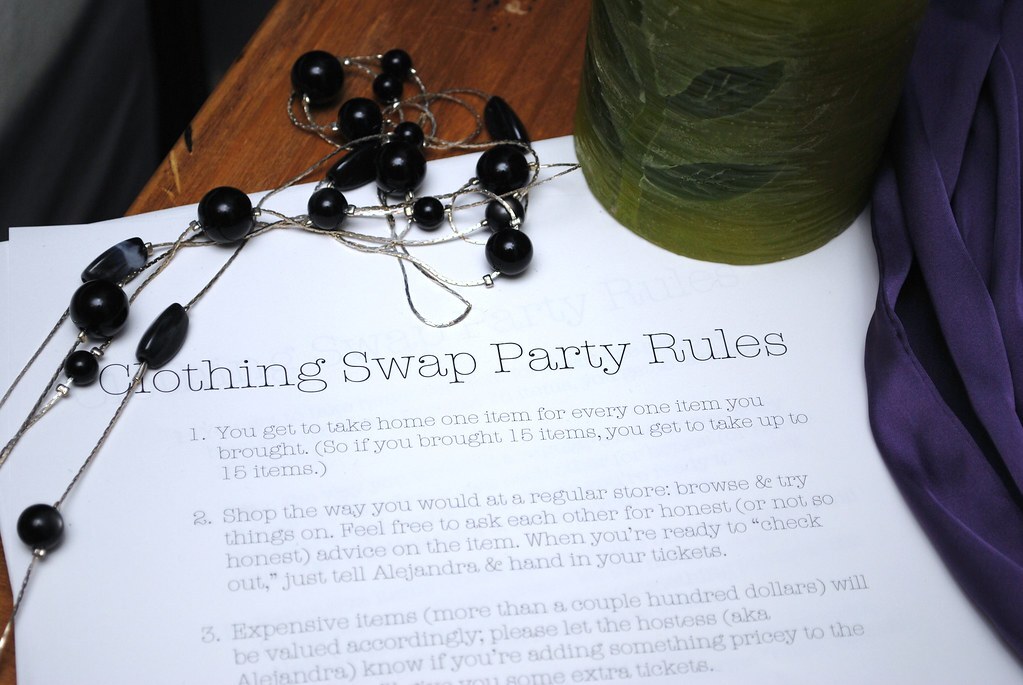
A clothing swap is a social event where individuals exchange gently used clothing with others. This collaborative approach fosters sustainability and reduces textile waste by giving new life to items that might otherwise end up in landfills. The benefits extend beyond environmental consciousness; it’s also a fantastic opportunity to discover unique styles and find clothing that fits individual needs and preferences.Clothing swaps can take various forms, from informal gatherings to structured events and online platforms, each offering a different experience.
Understanding these variations allows participants to choose the format that best suits their interests and circumstances.
Defining Clothing Swaps
A clothing swap is essentially an exchange of clothing items between individuals. The core purpose is to reduce consumption, encourage creativity, and promote sustainability. The exchange can occur in person or virtually, with varying levels of organization and formality.
Types of Clothing Swaps
Different formats cater to diverse preferences and needs. Casual gatherings are often spontaneous events among friends, while organized events frequently involve specific themes or rules. Online platforms provide a convenient way to connect with a larger community and facilitate exchanges remotely.
- Casual Gatherings: These informal swaps often occur among close friends or family. They typically involve a relaxed atmosphere where participants bring items they no longer need and can explore a wide variety of styles and sizes. A successful casual gathering can lead to enjoyable interactions and the discovery of new fashion trends.
- Organized Events: These swaps are often advertised and have established guidelines. Participants might be asked to bring specific items, adhere to size restrictions, or follow other rules to ensure a fair exchange. Events may also include other activities, like music or food, to enhance the social aspect.
- Online Platforms: Online swaps use platforms like social media groups, dedicated websites, or online marketplaces. These swaps provide broader reach and access to a wider range of participants. Online exchanges are particularly useful for finding specific items or connecting with people in different locations.
Participant Roles in Clothing Swaps
Participation in a clothing swap can take various forms.
- Bringing Items: Donating gently used clothing that you no longer need or want is a key aspect of a clothing swap. This includes clothes, accessories, and shoes. It’s important to ensure items are clean and in good condition. The act of bringing items contributes directly to the swap’s overall success by providing a diverse range of options for others.
- Taking Items: Participants can browse and select items they like or need. This process encourages exploration and finding unique pieces. A clothing swap can provide opportunities to discover unexpected style finds and discover items that align with personal preferences.
Successful Clothing Swap Experiences
Numerous examples illustrate the positive impact of clothing swaps. A successful event typically involves a positive atmosphere, a fair exchange of items, and a sense of community among participants. Examples range from small gatherings of friends where a few items are exchanged to larger events where hundreds of people participate, benefiting from a shared experience. These positive interactions foster a sense of community and create a more sustainable approach to fashion.
Comparing Clothing Swap Formats
| Feature | Casual Gathering | Organized Event | Online Platform |
|---|---|---|---|
| Organization | Low | Medium | High |
| Participants | Small group | Larger group | Potentially very large group |
| Rules | Few or no rules | Specific rules and guidelines | Rules set by platform/group |
| Accessibility | Limited | More accessible | Broad accessibility |
| Sustainability | Potentially high | High | High |
Preparing for a Clothing Swap
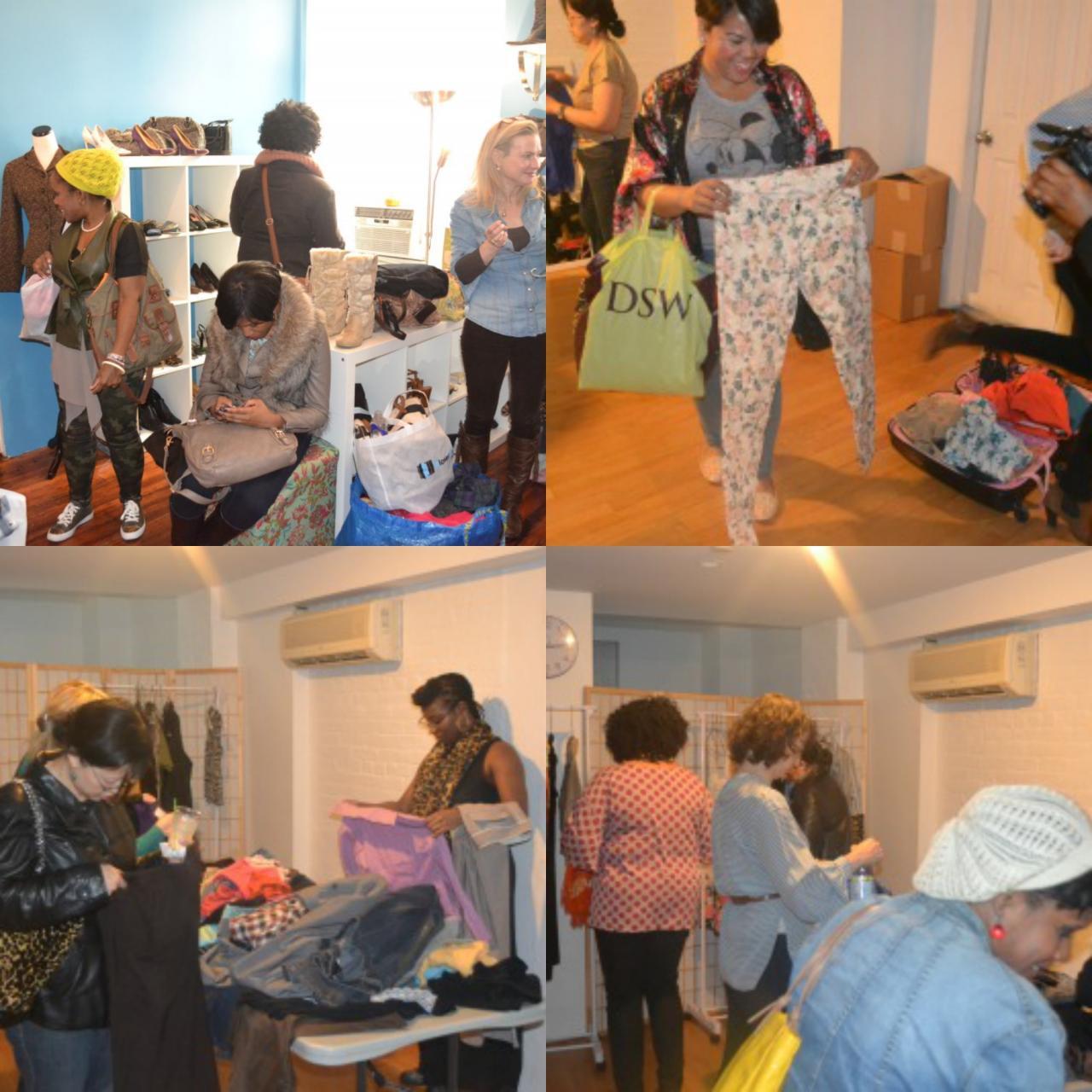
A successful clothing swap hinges on meticulous preparation. By carefully sorting, cleaning, and evaluating your clothing items, you ensure a rewarding experience for all participants. This meticulous process maximizes the value of the swap and promotes responsible consumption.Thorough preparation maximizes the value of the clothing swap for everyone involved. This includes sorting and cleaning clothes, assessing their condition, and planning for items that can’t be swapped.
This ensures that everyone benefits from the exchange and reduces waste.
Preparing Clothing Items
Proper preparation of clothing items for a clothing swap is crucial for a smooth and enjoyable experience. Clean, well-maintained garments are more attractive to potential swap partners, while a comprehensive sorting process streamlines the selection process.
To ensure your clothes are in the best possible condition for a clothing swap, follow these steps:
- Thorough Cleaning: Wash and dry all clothing items. This removes any lingering odors or stains. Check care labels for specific instructions to prevent damage. For delicate items, consider dry cleaning.
- Mending and Repairing: Address any tears, loose threads, or other damage. A simple stitch can often restore a garment to its former glory. If the damage is extensive, consider if the item is worth repairing or if it’s better to donate or recycle.
- Checking for Functionality: Ensure that all zippers, buttons, and other closures are functional. This ensures that the clothing item will continue to be usable after the swap.
Sorting and Categorizing Clothes
Effective sorting and categorization of clothing items significantly enhance the clothing swap experience. This process allows participants to quickly locate garments that align with their needs and preferences. Clear categorization also facilitates the selection process for everyone.
Organizing your clothing into categories is a key step for a successful swap. Consider these categories:
- By Gender and Size: Separate items by size and gender to facilitate matching. This helps potential swap partners quickly find appropriate items.
- By Style and Season: Categorize items by style (e.g., casual, formal) and season (e.g., spring, fall). This allows for easy selection based on personal preferences and needs.
- By Condition: Sort clothes into categories like “excellent,” “good,” “fair.” This helps participants understand the condition of the items.
Evaluating Clothing Condition
Assessing the condition of clothing items before the swap is essential for a fair and mutually beneficial experience. This evaluation ensures that participants receive items that meet their expectations. Honest assessment minimizes disappointment and fosters trust among participants.
Consider these factors when evaluating the condition of clothing items:
- Appearance: Look for any signs of wear, stains, or damage. Examine zippers, buttons, and other closures for functionality.
- Fit: Try on items to ensure they fit as expected. If you’re not sure, measure the item using a tape measure for accurate sizing.
- Fabric Quality: Assess the fabric’s condition and feel. Look for signs of fading, pilling, or other damage.
Donation or Recycling Plan
A thoughtful plan for items that can’t be swapped is essential for minimizing waste. A donation or recycling plan ensures that unwanted items find a new home or are properly disposed of. This reduces environmental impact and promotes responsible consumption.
Develop a plan for items that are not suitable for a clothing swap.
- Donation: Donate items in good condition to a local charity or shelter. This allows other individuals in need to benefit from the items.
- Recycling: Recycle clothing items that are beyond repair or are not suitable for donation. Check local recycling guidelines for specific materials.
Items to Bring
A well-prepared participant brings the necessary items to maximize the benefits of the clothing swap. This includes appropriate bags for carrying items and tools for evaluating clothing condition. A thoughtful approach ensures a positive experience for everyone.
Consider bringing the following items:
- Bags: Bring several bags of varying sizes to accommodate different items.
- Measuring Tape: A measuring tape is helpful for accurately assessing the size of clothing items.
- Additional Items: Consider bringing scissors, a needle and thread for small repairs, and a pen or marker for labeling items.
Participating in a Clothing Swap
Participating in a clothing swap effectively requires understanding the etiquette and rules of engagement. A well-organized and respectful exchange of clothing benefits everyone involved. By following guidelines and demonstrating considerate behavior, participants can ensure a smooth and enjoyable experience for all.A successful clothing swap fosters a positive community spirit. Participants should prioritize politeness, consideration, and a willingness to cooperate.
The success of a clothing swap hinges on the collective adherence to established rules and a commitment to a respectful atmosphere.
Etiquette and Conduct
A positive clothing swap experience is built on mutual respect. Participants should treat each other with courtesy and consideration, acknowledging the contributions of others. Respectful communication is key, avoiding judgmental remarks or criticisms. Maintaining a positive and friendly atmosphere is crucial for a successful swap.
Rules and Regulations
Clearly defined rules ensure a fair and efficient swap. These rules might include limitations on the number of items a participant can bring or receive, restrictions on specific item types (e.g., no items with visible damage or stains), or policies regarding the age appropriateness of items. Having clear rules promotes a smoother process and prevents confusion. A well-defined set of rules establishes a framework for a fair and equitable exchange.
Examples include: a limit of 10 items per person, no damaged or soiled clothing, and items must be in wearable condition.
Selecting Clothing Items
Selecting items strategically during a clothing swap maximizes the likelihood of finding desired pieces. Participants should thoroughly inspect each item before making a selection. Considering fit, style, and personal preferences is crucial for selecting items that meet individual needs and desires. If possible, try items on to ensure a good fit. Bringing a measuring tape or a small notepad to record preferences can also prove helpful.
Navigating the Swap and Finding Desired Items
Effective strategies for navigating the swap enhance the chances of finding desired items. Creating a list of desired items beforehand helps focus efforts and avoids impulsive choices. Knowing the general layout of the swap space and the types of clothing offered helps in efficient searching. Asking other participants for recommendations or exploring less-visited areas can uncover hidden gems.
Being prepared and organized can greatly enhance the swap experience.
Engaging with Others
Engaging with other participants fosters a positive and supportive atmosphere. A friendly and open demeanor encourages collaboration and makes the swap more enjoyable. Being approachable and engaging with others in a courteous manner will help establish a sense of community. Sharing recommendations with other participants can also be beneficial to the whole group.
Offering and Receiving Feedback
Constructive feedback is vital for improving the clothing swap experience. Offering feedback in a positive and supportive manner will contribute to the experience of all. Providing constructive suggestions for improvement, focusing on the item rather than the person, and offering specific examples will contribute to a positive environment. Receiving feedback should be done with an open mind, appreciating the perspective and accepting it in a positive manner.
Avoid personal attacks or negative criticism.
Negotiating Swaps
Negotiating swaps can be a valuable aspect of the experience. Participants can express their interests in specific items and engage in discussions to find mutually beneficial exchanges. Being prepared to compromise is often necessary for a successful negotiation. Be prepared to offer alternatives or trade items in exchange for the desired item. Knowing the value of the items being traded will help in negotiation.
Post-Swap Considerations
After the excitement of the clothing swap fades, careful management of the new items is crucial to maximizing their lifespan and minimizing environmental impact. Proper organization, record-keeping, and sustainable practices are key to ensuring a successful and environmentally conscious clothing swap experience.Following the swap, a structured approach to handling the items you’ve received and those you’ve given away will help you appreciate and maintain your new wardrobe items.
This includes a thorough review of your inventory, careful storage, and responsible disposal.
Managing New Clothing Items
Thorough organization of newly acquired clothing items is essential to ensure proper care and maximize their usability. This prevents clothing from getting lost or forgotten, ensuring items are cared for appropriately. Proper organization also makes it easier to maintain an inventory of what you have.
- Inventory Creation: Develop a system for recording items received and given. This can be a simple spreadsheet, a dedicated notebook, or a digital inventory tool. Detailed descriptions of the items (color, size, brand, condition) are vital. This helps with future reference and ensures you can quickly find items when needed.
- Sorting and Categorization: Sort items by type (tops, bottoms, outerwear) and color or style. This makes it easier to find what you need and helps you avoid over-purchasing in the future. This organization is also vital for visual appeal and aesthetic sense.
- Condition Assessment: Inspect each item for any damage, stains, or signs of wear. Note any necessary repairs or cleaning requirements. Properly handling potential damage immediately ensures that items stay in good condition for longer.
Maintaining Clothing After the Swap
Proper care and maintenance after a clothing swap are essential for extending the lifespan of the garments and promoting sustainable practices. Consistent care for clothing ensures longevity and reduces the need for replacements.
- Cleaning and Repair: Clean or repair any items that need it immediately. This may involve washing, mending, or dry cleaning. Prompt cleaning prevents the spread of stains and ensures the clothing remains in good condition. This also ensures the clothing maintains its original aesthetic value.
- Storage Solutions: Store clothing items in appropriate containers to protect them from dust, moisture, and damage. This can involve using storage bins, garment bags, or drawer organizers. Proper storage ensures clothing maintains its quality and condition, especially in the long term.
- Following Care Instructions: Always follow the care instructions printed on the garment label. This ensures the clothing’s longevity and maintains its quality. This also ensures the clothing’s aesthetic appeal.
Sustainability in Clothing Swaps
Clothing swaps offer a sustainable alternative to traditional shopping, but post-swap actions further contribute to their sustainability. These actions are key in maintaining a long-term, positive impact.
- Reduce, Reuse, Recycle: If an item is beyond repair, consider recycling or repurposing it instead of discarding it. This is a key step in reducing textile waste and promoting circularity in fashion. This step also reduces the negative environmental impact from clothing waste.
- Encourage Responsible Disposal: Educate participants on responsible disposal methods for clothing items that are beyond repair. This could involve textile recycling programs or donation initiatives. This ensures clothing items are properly disposed of in a sustainable way.
- Promote Repair and Alteration: Encourage participants to repair or alter existing clothing items before discarding them. This reduces the need for new purchases and promotes a more sustainable approach to fashion. This also contributes to a more mindful approach to clothing consumption.
Virtual Clothing Swaps
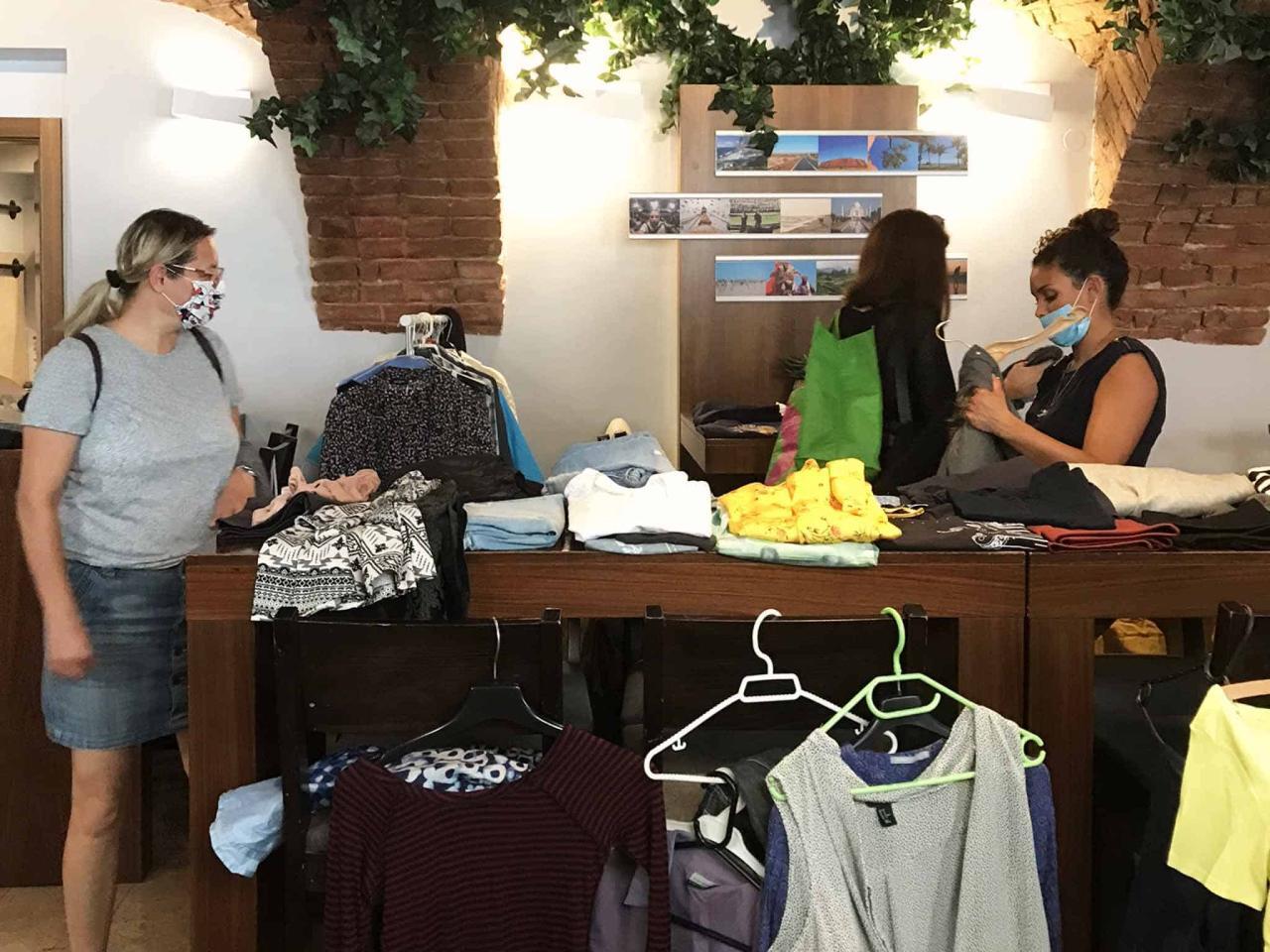
Virtual clothing swaps offer a convenient and accessible alternative to in-person events, expanding the reach of these valuable secondhand fashion experiences. They allow individuals to connect and exchange clothing with others regardless of geographical limitations, opening up opportunities for a wider pool of potential participants.Virtual platforms facilitate the ease of browsing, selecting, and trading items, providing a unique way to connect with individuals who share similar interests.
The process of managing these swaps, while slightly different from in-person ones, is straightforward and efficient, empowering individuals to participate actively in the sustainable fashion movement.
Virtual Platform Examples
Various online platforms facilitate virtual clothing swaps, offering unique features and benefits. These include dedicated social media groups, specialized online marketplaces, and even dedicated websites specifically designed for clothing swaps. Examples include Facebook groups, Instagram pages, or dedicated platforms like Swap.com, offering tools to streamline the process. The choice of platform often depends on the size and scope of the swap and the preferences of the organizers and participants.
Managing Online Swaps
Effective management of virtual clothing swaps involves careful planning and communication. Organizers need to establish clear guidelines for participation, including rules regarding item condition, sizing, and payment methods. A dedicated communication channel, such as a shared online document or messaging platform, can streamline the exchange of information. This can also include detailed instructions for the swap process, from initial registration to final exchanges.
Step-by-Step Guide for Online Clothing Swaps
A well-structured process ensures a smooth and enjoyable virtual clothing swap. The following steps can be followed for a successful online swap:
- Establish the Swap: Create a dedicated online space (Facebook group, dedicated website, etc.) to host the clothing swap. Clearly define the rules and guidelines for participation, including acceptable item conditions, sizing, and payment methods. This is crucial for a smooth transaction process. Promoting the swap through relevant online communities can help attract potential participants.
- Item Listing and Description: Participants list their items with clear descriptions, including details on size, condition, and any specific features. High-quality photos or videos of the items are essential to provide a comprehensive overview and aid in accurate assessments.
- Matching and Negotiation: Participants browse listed items and express interest in items that they like. Direct communication through the designated platform facilitates negotiations regarding item exchange or payment. Clear communication regarding desired items, sizes, and any conditions should be maintained.
- Payment and Exchange Arrangements: Establish a method for handling payments (e.g., through a shared platform or direct exchange) or exchange agreements. Provide clear instructions on how and when the exchange should take place. This could involve the use of a third-party payment platform or a trusted intermediary.
- Confirmation and Feedback: Once the exchange is complete, participants confirm the successful transaction and provide feedback on the process. Positive feedback can promote future participation and enhance the reputation of the virtual swap.
Challenges of Online Swaps
Virtual swaps present some challenges compared to in-person events. These include difficulties in assessing the true condition of items through photos alone, potential issues with payment security, and managing the exchange logistics. Moreover, maintaining consistent communication and ensuring the trust of participants can be more challenging. These difficulties are manageable with proper organization, clear communication, and a trusted intermediary where necessary.
Benefits of Online Swaps
Virtual swaps offer significant advantages, particularly regarding accessibility and convenience. Individuals from various locations can participate, increasing the pool of potential participants. Moreover, online swaps reduce the need for physical transportation, minimizing environmental impact. This can also increase participation rates for those who might find in-person swaps inconvenient or challenging.
Managing Online Payments
Virtual clothing swaps can utilize various payment methods. Using a secure payment platform (like PayPal) can facilitate transactions and ensure the safety of participants. For exchanges of items, the use of a trusted intermediary can ease the logistics of handling the swap.
Best Practices for Online Communication
Effective communication is essential for smooth virtual clothing swaps. Participants should maintain clear and polite communication, respond promptly to inquiries, and address any concerns promptly. Transparency in communication is crucial to building trust among participants. Maintaining a positive and respectful tone throughout the process will contribute to a positive experience for all involved.
Tips for Success
A successful clothing swap hinges on careful planning, clear communication, and a positive atmosphere. By proactively addressing potential issues and fostering a welcoming environment, participants can ensure a rewarding and enjoyable experience for everyone involved. This section Artikels key strategies for navigating the swap process smoothly and maximizing its benefits.
Planning and Preparation
Thorough preparation is crucial for a successful clothing swap. A well-defined plan reduces potential conflicts and ensures that everyone feels comfortable and respected. A pre-swap communication plan, for example, can significantly impact the overall experience.
- Develop a clear set of rules and guidelines to govern the swap. These rules should Artikel acceptable behavior, donation criteria, and the process for resolving disputes.
- Create a detailed schedule or timeline for the event. This includes designated times for drop-off, browsing, and exchange. A schedule helps keep the swap organized and efficient.
- Establish clear expectations regarding the types of clothing acceptable for the swap. This helps to avoid confusion and ensures that all participants are aware of the guidelines.
- Promote the swap actively through social media or email lists. Generate excitement and encourage participation.
Communication and Expectations
Effective communication is paramount for a positive clothing swap experience. Clear expectations and open communication channels prevent misunderstandings and ensure a harmonious environment.
- Establish a dedicated communication channel (e.g., a group chat, email list) to facilitate discussions and address any questions or concerns. This is crucial for managing the swap process.
- Provide clear instructions regarding the swap process, including drop-off procedures, exchange rules, and the handling of returns. Detailed instructions prevent mishaps and help maintain a smooth process.
- Encourage participants to clearly communicate their clothing needs and preferences. This fosters an atmosphere of respect and allows for more personalized exchanges.
- Promote a culture of respectful communication, addressing any disagreements or conflicts promptly and constructively. This helps build a positive atmosphere.
Building a Positive Experience
A positive swap experience is essential for repeat participation. A welcoming environment and a focus on mutual benefit fosters enthusiasm and promotes the clothing swap as a rewarding activity.
- Organize activities to create a fun and engaging atmosphere. Icebreakers, music, or games can help participants connect and feel more comfortable.
- Provide refreshments and refreshments for participants to relax and socialize. A small gesture of care can greatly enhance the overall experience.
- Encourage participants to actively engage in the exchange process. Offer guidance or tips on how to find clothing that aligns with individual preferences.
- Emphasize the importance of giving and receiving. Frame the swap as a collaborative effort to help each other. This approach builds goodwill.
Maintaining a Positive Atmosphere
A positive atmosphere is essential to a successful clothing swap. Establishing clear rules and addressing any issues quickly and fairly helps maintain the enthusiasm and comfort of all participants.
- Clearly define rules regarding appropriate behavior and handling of disagreements. A well-defined code of conduct helps maintain a respectful environment.
- Establish a system for addressing conflicts. A mediator or a designated person can help facilitate discussions and resolve any disagreements in a constructive manner.
- Encourage participants to support each other and offer constructive feedback. Creating a supportive environment promotes a positive experience for all.
- Have a designated area for resolving conflicts. A separate area can help to keep the swap organized and the atmosphere positive.
Inclusivity and Respect
Inclusivity and respect are essential for a successful and enjoyable clothing swap. Promoting a welcoming environment for all participants is key.
- Emphasize the importance of inclusivity and respect for diversity in clothing preferences. Encourage a welcoming atmosphere for all participants.
- Provide clear guidelines for appropriate attire and behavior, promoting a culture of respect and understanding. This can help avoid misunderstandings.
- Ensure that the swap is accessible to individuals with diverse needs. Consider accessibility features for a more inclusive experience.
- Encourage participants to respect others’ choices and preferences. This fosters a welcoming and inclusive environment.
Common Issues and Solutions
Addressing potential problems proactively can prevent them from disrupting the clothing swap.
| Common Issue | Possible Solution |
|---|---|
| Low participation | Promote the swap actively, offer incentives, or collaborate with other organizations. |
| Disagreements among participants | Establish clear rules, have a designated conflict resolution process, and encourage open communication. |
| Poor organization | Create a detailed schedule, assign roles to participants, and provide clear instructions. |
| Unacceptable donations | Define clear donation criteria and have a system for handling unacceptable donations. |
Summary
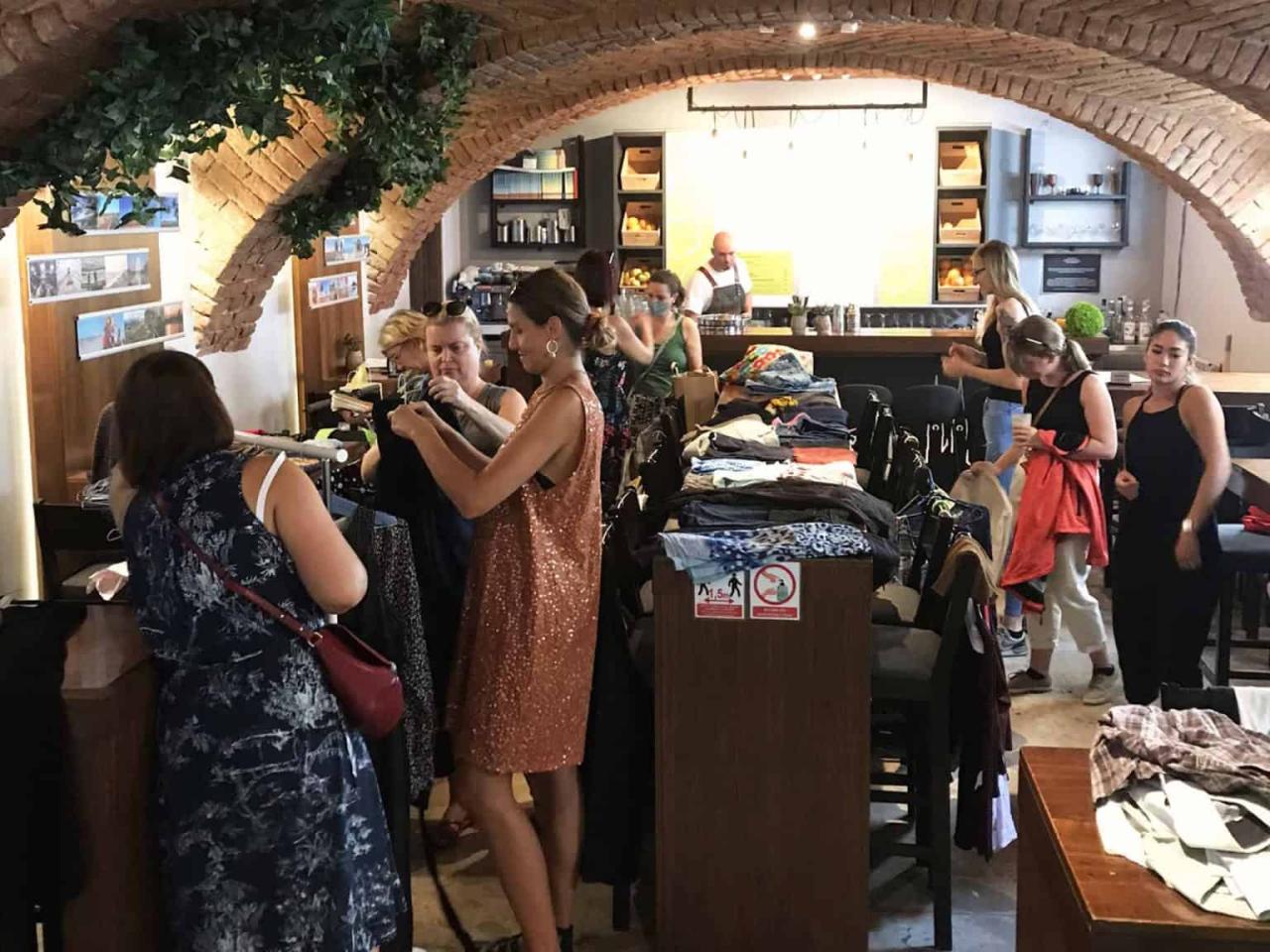
In conclusion, participating in a clothing swap is a multifaceted process, encompassing preparation, participation, and post-swap considerations. This guide has provided a comprehensive framework for navigating every stage, from understanding the various swap formats to managing the sustainability of the experience. Whether you opt for an organized event, an online platform, or a casual gathering, this resource equips you with the tools for a successful, enjoyable, and sustainable clothing swap.