Dry shampoo has become a crucial element in modern hair care routines, offering a convenient solution for extending the time between washes. This guide dives deep into the world of dry shampoo, exploring not only how to use store-bought versions effectively, but also how to craft your own customized formula. We’ll examine the science behind dry shampoo, explore various ingredients and their functions, and provide step-by-step instructions for creating and applying your own homemade concoctions.
Discover the benefits of creating your own dry shampoo, from cost savings and personalized formulations to the satisfaction of knowing exactly what’s going into your hair. We’ll cover a range of hair types, addressing specific needs and concerns. This guide empowers you to take control of your hair care routine and embrace a more sustainable and personalized approach to beauty.
Introduction to Dry Shampoo
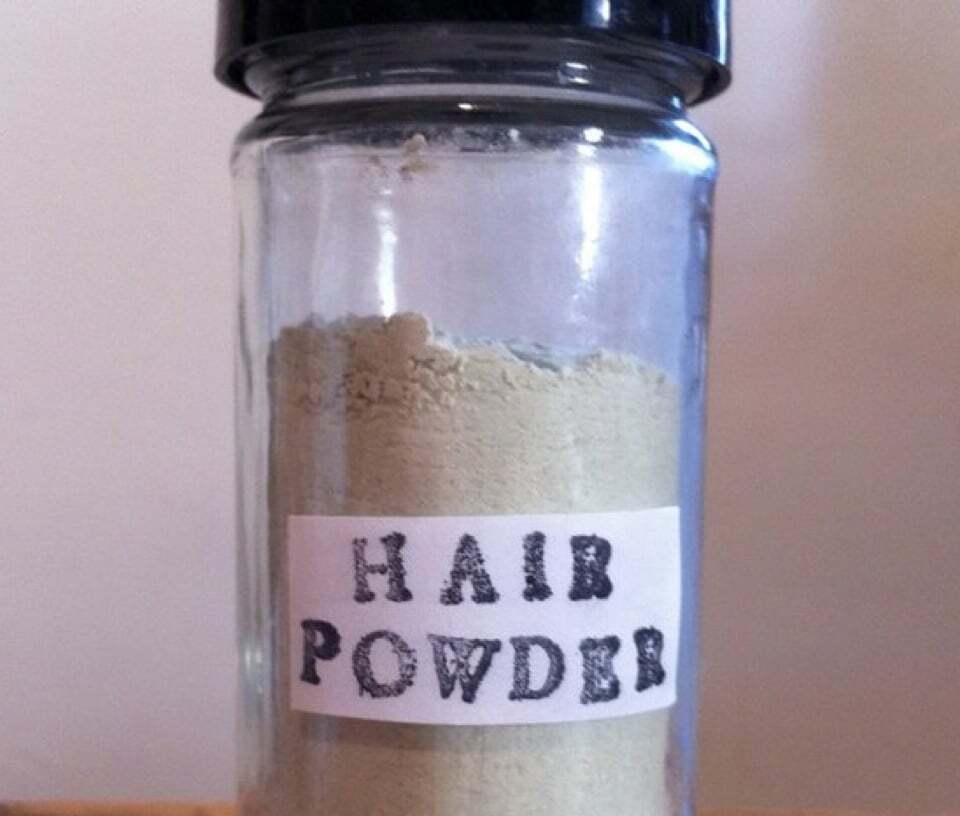
Dry shampoo is a popular hair care product designed to absorb excess oil and refresh limp or greasy hair without the need for washing. Its primary benefit is extending the time between washes, allowing for a cleaner, more voluminous look. This is particularly useful for busy individuals or those with oily hair types. Beyond this practical application, dry shampoo can also be a convenient solution for those who lack the time for a traditional hair wash.Dry shampoo offers a wide range of benefits, including convenience, time-saving, and a way to maintain a clean and voluminous look between washes.
Its formulations are diverse, catering to various hair types and concerns. Understanding the science behind its operation and the different types available will empower individuals to make informed choices about their hair care routines.
Types of Dry Shampoos
Dry shampoos come in various formulations, catering to different hair types and preferences. Common types include those with a light dusting texture, ideal for subtle refreshing, and those with a more substantial formula for thicker hair. Additionally, some dry shampoos are formulated with added benefits, such as volumizing agents or color-enhancing pigments. The range of options reflects the diverse needs of users and their individual hair care goals.
Basic Science of Dry Shampoo
Dry shampoo works by absorbing excess oil from the hair shaft. The key ingredients in dry shampoo formulations often include starch-based powders, clays, or silica. These absorb oils and create a sort of ‘dusting’ effect that removes visible grease and residue. The absorbent ingredients bind to the oils, lifting them away from the hair strands, resulting in a visibly cleaner and refreshed look.
This process does not cleanse the scalp, but rather addresses the appearance of excess oil on the hair.
Comparison of Dry Shampoo Types
| Type | Ingredients | Pricing (USD) | Suitable for |
|---|---|---|---|
| Absorbent Powder | Cornstarch, rice starch, tapioca starch, or similar starches. Often with added fragrance or volumizing agents. | $8-$15 | Most hair types, including fine, medium, and thick hair, looking for basic oil absorption. |
| Clay-Based | Bentonitic clay, kaolin clay, or other clays. May contain additional ingredients like silica for extra absorption. | $10-$20 | Oily hair types. Some may offer additional benefits such as color-enhancing pigments. |
| Silica-Based | Silica, often in combination with other absorbent ingredients. Can be used for extra volume. | $10-$18 | Hair types that benefit from extra volume. May not be as effective for heavily oily hair. |
| Volumizing | Absorbent ingredients plus volumizing polymers, thickening agents. | $12-$25 | Fine or limp hair seeking added volume. |
This table provides a general overview of different dry shampoo types, highlighting their common ingredients, approximate pricing ranges, and suitable hair types. The specific ingredients and pricing can vary greatly depending on the brand and product formulation. Consider your hair type and desired effects when choosing a dry shampoo.
Ingredients and Their Functions
Dry shampoo formulations utilize a variety of ingredients to effectively absorb excess oil and add volume to hair. Understanding the specific functions of these components is crucial for achieving optimal results and for ensuring safe use. The interplay of these ingredients determines the efficacy and potential side effects of the product.The key ingredients in dry shampoo work in concert to address oil buildup, enhance texture, and temporarily mask greasy hair.
These ingredients are carefully selected and combined to provide a balance of effectiveness and safety, though individual sensitivities can vary.
Common Ingredients and Their Roles
A variety of ingredients contribute to the functionality of dry shampoo. Understanding their individual roles and interactions is essential for discerning safe and effective formulations.
- Absorbent Powders: These ingredients, often starch-based, effectively absorb excess oil from the hair and scalp. Common examples include cornstarch, tapioca starch, and potato starch. These powders bind to the oil and are then easily brushed away, leaving hair feeling dry and refreshed. The effectiveness of the absorbent powder is dependent on the specific type and particle size.
- Volumizing Agents: These ingredients contribute to the perceived volume and texture of the hair. Common examples include rice starch, arrowroot powder, and polymers such as PVP (polyvinylpyrrolidone). These components add a sense of fullness and body to hair, particularly helpful in areas where hair tends to flatten from oil buildup. The level of volumizing effect can vary significantly depending on the specific type and concentration of volumizing agents.
- Colorants and Pigments: These components are often used to mask the appearance of oil and give the hair a cleaner, more refreshed look. Pigments are carefully selected to blend with natural hair color and avoid harsh contrast. The use of colorants and pigments should be regulated to ensure safety and effectiveness. Examples of pigments used include iron oxides and organic colorants.
- Fragrance Oils: These components add a pleasant scent to the dry shampoo. However, fragrances can trigger allergic reactions in sensitive individuals. The choice of fragrance oil should be made with caution and care to minimize potential side effects.
- Preservatives: These ingredients prevent the growth of microorganisms in the dry shampoo formulation. Examples include parabens, and other preservatives that prevent spoilage and maintain product safety and efficacy over time. These compounds are essential to preserve the quality and shelf-life of the product. However, some preservatives are associated with potential allergic reactions.
Interaction with Hair and Scalp
The effectiveness of dry shampoo hinges on how these ingredients interact with the hair and scalp. Absorbent powders bind to the oil on the scalp and hair, lifting the oil away from the hair shaft. Volumizing agents help to create the illusion of fuller, more textured hair. Colorants mask the appearance of oiliness. Fragrances provide a pleasant scent.
Preservatives maintain product quality.
Comparison of Ingredients and Safety
Different ingredients offer varying degrees of effectiveness and safety. Cornstarch, for instance, is generally considered safe and readily available, making it a popular choice for many dry shampoo formulations. However, some individuals may experience allergic reactions or irritation from certain ingredients.
| Ingredient | Pros | Cons | Potential Side Effects |
|---|---|---|---|
| Cornstarch | Affordable, readily available, generally safe | May not be as effective for extremely oily hair | Rare allergic reactions |
| Tapioca Starch | Good absorbency, mild | May not be as effective for extremely oily hair | Rare allergic reactions |
| Arrowroot Powder | Excellent volumizing properties | May not be as effective for absorbing oil | Rare allergic reactions |
| PVP | Excellent volumizing and texturizing properties | Potential for irritation in sensitive individuals | Rare allergic reactions, possible skin dryness |
| Fragrance Oils | Pleasant scent | Potential for allergic reactions, skin irritation | Skin rashes, itching, respiratory issues |
Methods for Applying Dry Shampoo
Effective application of dry shampoo is crucial for achieving the desired results and maximizing its benefits. Proper technique ensures a clean, refreshed appearance while maintaining the integrity of your hair’s structure. By understanding the nuances of different hair types and styles, you can tailor your application for optimal outcomes.Applying dry shampoo is more than just sprinkling it on; it’s about strategic placement and gentle manipulation.
This section delves into various application methods, emphasizing techniques for achieving a natural-looking, voluminous, and revived appearance across diverse hair types.
Application Techniques for Different Hair Textures
Understanding your hair’s texture is key to achieving a flawless dry shampoo application. Different textures require different approaches to prevent residue buildup and maintain a clean, natural look.
| Hair Texture | Application Method | Specific Instructions |
|---|---|---|
| Straight Hair | Gentle dusting and brushing | Lightly dust dry shampoo onto the roots and mid-lengths, focusing on areas that need the most volume. Use a wide-tooth comb or brush to distribute the product evenly. |
| Curly Hair | Targeted application and scrunching | Apply dry shampoo directly to the roots, focusing on areas prone to oil buildup. Gently scrunch your hair with your hands to distribute the product and avoid clumping. Avoid over-applying, as this can lead to a powdery effect. |
| Fine Hair | Localized application and light brushing | Apply dry shampoo sparingly to the roots, emphasizing areas that need volume. Avoid excessive application, as this can weigh down fine hair. A light brushing with a soft-bristled brush can help distribute the product and avoid clumps. |
| Thick Hair | Thorough dusting and combing | Dust dry shampoo liberally onto the roots and mid-lengths, ensuring thorough coverage. Use a wide-tooth comb or brush to evenly distribute the product throughout the hair. |
Targeted Application for Specific Hair Areas
Applying dry shampoo effectively involves understanding how to target specific areas for optimal results. This approach ensures that you address areas requiring the most volume or oil absorption.
- Roots: Focus on the scalp and roots, where oil buildup is most noticeable. This is crucial for creating volume and absorbing excess oil.
- Mid-Lengths: For added texture and volume, apply dry shampoo to mid-lengths, but in a much lighter application than the roots.
- Ends: Apply dry shampoo sparingly to the ends to avoid weighing them down. This step is crucial to maintain a clean, non-powdery finish.
Additional Tips for Effective Application
- Shake the can thoroughly: This ensures the product is evenly distributed and avoids clumps.
- Work in sections: Avoid applying dry shampoo to the entire head at once. This prevents over-application and ensures a more controlled, even distribution.
- Use a brush or comb: Brushing or combing through your hair after application helps distribute the product and remove any visible clumps. This step is particularly important for thicker hair.
- Adjust application based on your hair’s needs: The amount of dry shampoo needed will vary depending on your hair type and the amount of oiliness. Start with a small amount and add more if necessary. Be mindful not to over-apply.
DIY Dry Shampoo Recipes
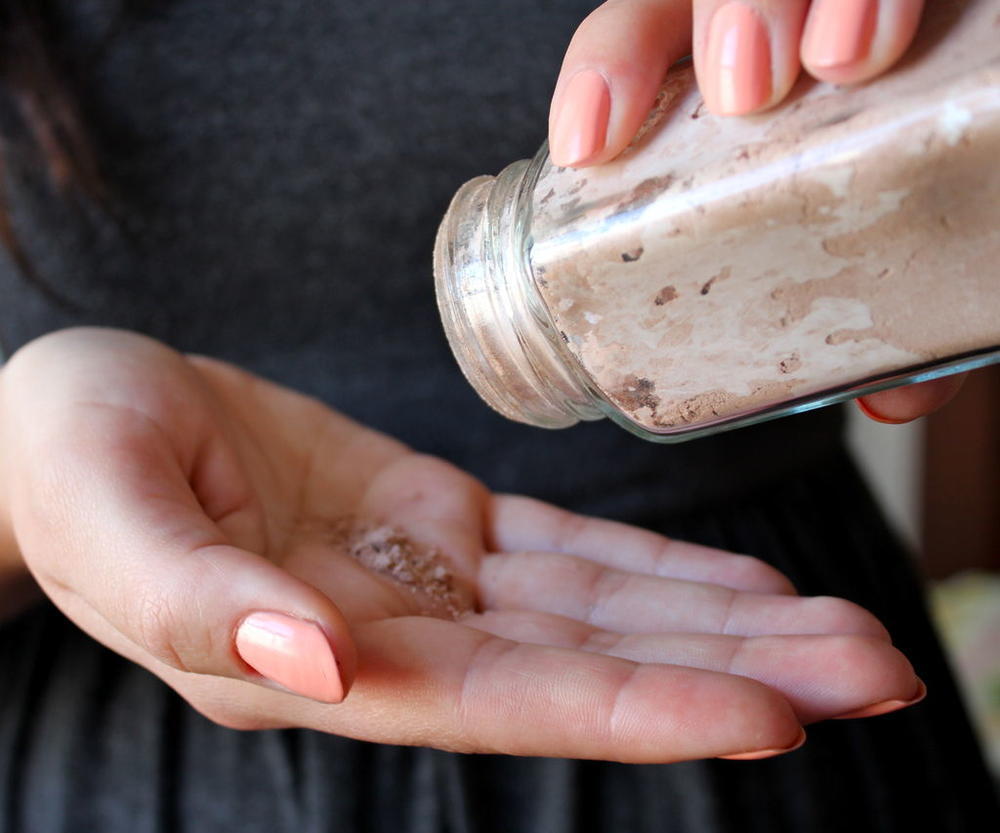
Crafting your own dry shampoo offers a personalized touch and cost-effectiveness. Understanding the fundamental principles behind these recipes allows for customization and caters to individual hair types and concerns. Furthermore, you can precisely control the ingredients, ensuring suitability for your specific hair needs.This section details several homemade dry shampoo recipes, highlighting the procedures for mixing and preparing each, essential tools, and the comparative advantages and disadvantages of DIY versus store-bought options.
Natural Dry Shampoo Recipes
Natural ingredients are frequently chosen for their gentle nature and potential benefits for hair and scalp health. These recipes often prioritize ingredients with excellent absorbency properties, such as cornstarch, arrowroot powder, and baking soda.
- Cornstarch-Based Dry Shampoo: Cornstarch is a popular choice for its absorbent qualities. This recipe is highly effective at absorbing excess oil and adding texture to hair.
Ingredients: 2 tbsp cornstarch, 1 tsp arrowroot powder, 1/2 tsp cocoa powder (optional for color).
Procedure: Whisk all ingredients together in a small bowl until well combined. Store in an airtight container.
Tools: Small bowl, whisk, airtight container.
Advantages: Affordable, readily available, and gentle on hair.
Disadvantages: Can be slightly less effective at absorbing oil than other options like baking soda, and requires frequent replenishment.
- Baking Soda Dry Shampoo: Baking soda is a powerful absorbent, offering strong oil-absorbing properties. However, it can be a bit harsh for some hair types.
Ingredients: 2 tbsp baking soda, 1 tbsp cornstarch, 1 tsp arrowroot powder, 1-2 drops of essential oil (optional for fragrance).
Procedure: Combine all ingredients in a bowl and mix well. Store in an airtight container.
Tools: Small bowl, whisk, airtight container.
Advantages: Highly absorbent, affordable.
Disadvantages: Can be drying for some hair types, and may require adjustments to the amount of baking soda depending on hair’s sensitivity.
- Arrowroot Powder Dry Shampoo: Arrowroot powder offers a good balance of absorption and gentleness, making it suitable for various hair types.
Ingredients: 3 tbsp arrowroot powder, 1 tsp cornstarch, 1/2 tsp powdered sugar (optional for added texture).
Procedure: Combine all ingredients in a small bowl and whisk until smooth. Store in an airtight container.
Tools: Small bowl, whisk, airtight container.
Advantages: Mild and gentle on hair, good absorbency.
Disadvantages: May not be as effective at absorbing oil as other options, and needs frequent replenishment.
Comparison of DIY and Store-Bought Dry Shampoos
| Feature | DIY Dry Shampoo | Store-Bought Dry Shampoo |
|---|---|---|
| Cost | Generally lower | Generally higher |
| Ingredients | Controllable and often natural | Can contain various chemicals and preservatives |
| Customization | Tailored to individual hair needs | Limited customization options |
| Shelf Life | Generally shorter | Generally longer |
| Environmental Impact | Potentially lower (depending on packaging) | Potentially higher (depending on packaging and ingredients) |
Carefully consider the advantages and disadvantages of each recipe and store-bought options to choose the most suitable method for your hair care routine.
Tips and Tricks for Best Results
Achieving optimal results with dry shampoo hinges on understanding its application and considering individual hair needs. Proper technique, combined with mindful selection of ingredients and storage practices, maximizes the product’s effectiveness and minimizes potential issues. This section details crucial tips and tricks for a successful dry shampoo experience.Effective dry shampoo application relies on more than just spraying the product onto your hair.
By understanding the nuances of application and the specific needs of your hair type, you can achieve a revitalized and refreshed look.
Optimizing Dry Shampoo Application
Proper application is key to maximizing the effectiveness of dry shampoo. It’s not simply about spraying liberally; rather, it’s about strategically targeting problem areas and understanding how to blend the product seamlessly into the hair. This targeted approach will enhance the overall result.
- Targeted Application: Focus on areas where oil buildup is most noticeable. This might include the roots, the crown, or the parting area. Avoid spraying the product directly onto the scalp, as this can lead to a powdery residue.
- Light Touch: Apply dry shampoo in light, feathery strokes, ensuring even distribution. Avoid saturating any one area. Use a light touch for a more natural look.
- Brushing and Styling: Once applied, brush or gently comb through your hair to distribute the product evenly. This helps blend the dry shampoo and minimize the appearance of any residue. Use styling tools, like a flat iron or curling iron, as needed to finish the look.
Addressing Common Mistakes
Certain practices can inadvertently hinder the effectiveness of dry shampoo and lead to undesirable outcomes. Recognizing and avoiding these mistakes is crucial for optimal results.
- Over-application: Excessive use can lead to a chalky or powdery appearance. Aim for a light application to avoid this issue. Start with a small amount and add more as needed.
- Inappropriate Product Selection: Not all dry shampoos are created equal. Choosing a dry shampoo formulated for your hair type (e.g., fine, thick, color-treated) will yield better results. Consider your hair type and texture when selecting a product.
- Incorrect Timing: Avoid applying dry shampoo immediately after washing your hair. Wait until your hair is visibly oily or limp before using dry shampoo to prevent the build-up of residue.
Preserving Dry Shampoo Effectiveness
Proper storage of dry shampoo is crucial for maintaining its effectiveness and freshness.
- Cool and Dry Storage: Store dry shampoo in a cool, dry place, away from direct sunlight or heat sources. Heat can degrade the product’s efficacy over time. Avoid humid environments.
- Proper Seal: Ensure the dry shampoo container is tightly sealed after each use to prevent moisture from entering and compromising the product’s quality.
Customizing for Specific Hair Needs
Dry shampoo application can be tailored to specific hair needs for optimal results. Understanding these nuances can greatly enhance the overall outcome.
- Fine Hair: Use a light hand when applying dry shampoo to fine hair, as excessive product can weigh it down. Focus on the roots to add volume without creating a stiff look. Apply in small sections for a more refined application.
- Thick Hair: Thick hair may require more product to effectively absorb excess oil. Apply more product to the roots and throughout the hair, concentrating on areas where oil buildup is visible. Work the product through the hair for even distribution.
- Color-Treated Hair: Be cautious when using dry shampoo on color-treated hair. Choose a dry shampoo formulated for color-treated hair, which often contains color-safe ingredients. Avoid products containing harsh chemicals that could fade or damage your hair color.
Dry Shampoo for Different Hair Types
Dry shampoo is a versatile styling product that can be customized for various hair types and concerns. Proper application techniques can enhance the look and feel of different hair textures, while addressing specific issues like oily scalps or dandruff. Understanding how to adapt dry shampoo use to individual hair needs is crucial for achieving desired results and maintaining healthy hair.
Adapting Application for Different Hair Types
Different hair types react differently to dry shampoo. Fine hair can easily become weighed down by dry shampoo, while thick hair may require more product for adequate absorption. Curly hair, due to its natural texture, can be prone to frizz if not applied correctly. Straight hair, on the other hand, often benefits from dry shampoo for added volume and texture.
Therefore, it’s essential to adjust the amount and application method according to your hair’s specific characteristics. For example, a light dusting on fine hair can prevent it from looking flat, while a more substantial application might be needed for thick hair to achieve the desired lift.
Dry Shampoo for Specific Hair Concerns
Addressing specific hair concerns with dry shampoo requires a nuanced approach. For individuals with oily scalps, dry shampoo can be a lifesaver. However, applying too much can lead to a chalky or powdery appearance. For those experiencing dandruff, it’s recommended to use a dry shampoo that’s specifically formulated to address scalp concerns. These formulations often include ingredients designed to soothe and alleviate dandruff symptoms.
Comparing Dry Shampoo Usage for Various Hair Types and Concerns
| Hair Type | Application Technique | Amount | Specific Concerns | Recommendations |
|---|---|---|---|---|
| Fine Hair | Light dusting, focusing on roots | Small amount | Flatness, heaviness | Use a light touch and avoid over-application. |
| Thick Hair | Thorough dusting, focusing on roots and midshafts | Moderate amount | Flatness, lack of volume | Ensure even distribution for lift and texture. |
| Curly Hair | Apply sparingly, focusing on the roots and midshafts, avoiding the ends | Small to moderate amount | Frizz, dryness | Use a volumizing dry shampoo and gently work it into the hair. |
| Straight Hair | Light dusting, focusing on roots for volume | Small amount | Lack of volume, flatness | Focus on lifting the roots and avoid product buildup. |
| Oily Scalp | Light dusting, focusing on roots | Small amount | Excess oil | Use a clarifying dry shampoo if necessary. |
| Dandruff | Apply to scalp, focusing on affected areas | Small amount | Scalp irritation, flakes | Choose a dry shampoo with anti-dandruff ingredients. |
Troubleshooting Issues with Dry Shampoo
Dry shampoo, while convenient, can sometimes present challenges. If the hair appears chalky or powdery after application, it often indicates over-application. In this instance, gently brushing or combing the hair can help redistribute the product and blend it into the hair. If the hair feels stiff or crunchy, this suggests the product may not have been fully absorbed.
Allowing the product to sit for a few minutes before brushing can improve absorption. For those with particularly sensitive scalps, a dry shampoo with gentle ingredients might be a suitable choice. Always ensure proper ventilation and avoid inhaling large amounts of dry shampoo.
Troubleshooting and Common Problems
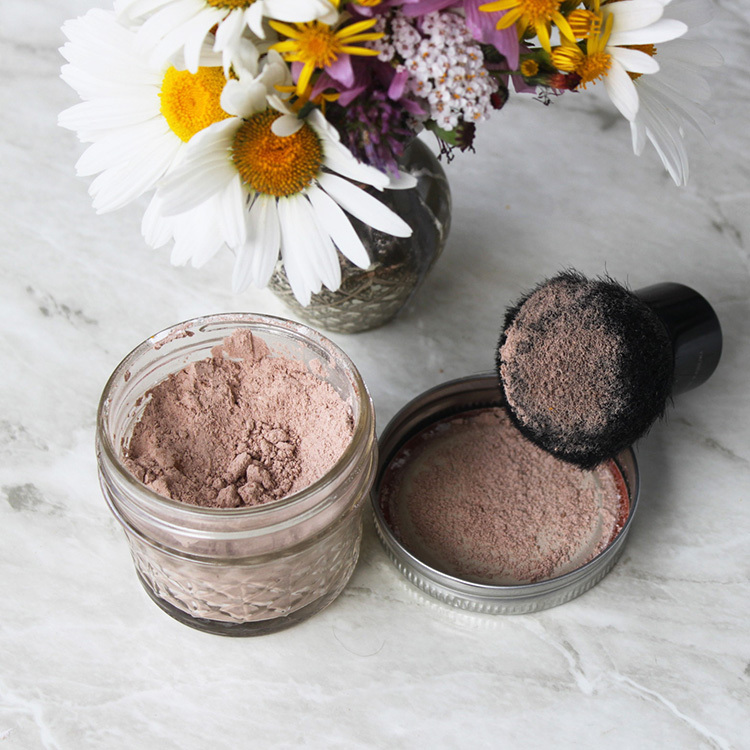
Dry shampoo, a valuable tool for refreshing hair between washes, can sometimes present challenges. Understanding the potential pitfalls and their solutions is crucial for achieving optimal results and maximizing the benefits of this product. This section details common problems encountered with dry shampoo and provides effective strategies for resolution.
Common Dry Shampoo Issues and Solutions
Dry shampoo, while convenient, can sometimes lead to undesirable outcomes. Recognizing these potential problems and understanding their causes is key to preventing them and achieving a desired outcome. Careful selection of ingredients and application methods are essential for achieving the best results.
- Residue Buildup: Dry shampoos, especially those with talc or cornstarch, can leave a noticeable residue on the hair, particularly if not applied correctly. This residue can appear as a chalky film or white streaks. Over-application or using excessive amounts of product are frequent culprits. Proper application techniques and using smaller amounts of product can help alleviate this problem.
Using a dry shampoo with a more subtle formulation or a product formulated for specific hair types can also help.
- Clumping: Clumping is another common issue, often arising from product that is not thoroughly dispersed. This issue can be compounded by the presence of fine particles that are not adequately suspended. Insufficient mixing, using expired products, or using the wrong amount of product for your hair type can contribute to this problem. Proper shaking or mixing of the dry shampoo before application can help prevent clumping.
Choose a dry shampoo that is formulated to be easily dispersed, and avoid using too much product at one time. If clumping persists, consider trying a different dry shampoo formulation. Ensure the dry shampoo bottle is properly stored, and try to use it within its expiration date.
- Lack of Absorption: In some cases, dry shampoo may not absorb into the hair effectively, leaving a noticeable powdery residue. This can result from several factors. The hair’s natural oiliness or the presence of existing buildup on the hair can hinder absorption. Applying the dry shampoo to damp hair, or using a dry shampoo that is not compatible with the hair type, can also contribute to this problem.
Ensure the hair is completely dry before applying the dry shampoo, and consider using a dry shampoo that is specifically designed for your hair type and texture. Using a clarifying shampoo or other methods to remove existing buildup can enhance absorption.
Table of Common Dry Shampoo Problems and Solutions
| Problem | Possible Cause | Solution |
|---|---|---|
| Residue | Over-application, incorrect product application, incompatibility with hair type, using outdated product | Apply smaller amounts of product, use appropriate application techniques, choose a more suitable dry shampoo formulation, use a clarifying shampoo |
| Clumping | Insufficient mixing, expired product, using the wrong amount, improper storage | Thoroughly shake or mix the product, use a fresh product, adjust the amount used based on hair type, store the product properly |
| Lack of Absorption | Damp hair, existing buildup, incompatible product, incorrect application | Ensure hair is completely dry before application, use a clarifying shampoo to remove buildup, choose a dry shampoo suited to hair type, use the product as directed |
Storage and Shelf Life
Proper storage is crucial for maintaining the quality and effectiveness of your homemade dry shampoo. Optimizing storage conditions can significantly extend its shelf life, ensuring your creations are as effective as possible when you need them. Understanding the factors affecting shelf life, and recognizing signs of degradation, allows you to make informed decisions about how and when to use your homemade dry shampoo.Proper storage conditions and understanding the factors that impact shelf life can ensure your homemade dry shampoo remains effective and safe for use.
This section provides guidance on these key elements.
Ideal Storage Conditions
Homemade dry shampoo, like store-bought varieties, is susceptible to degradation over time. To maximize its effectiveness and safety, proper storage conditions are essential. Ideally, dry shampoo should be stored in a cool, dry place, away from direct sunlight and excessive heat. This helps prevent the ingredients from breaking down or reacting with other components, which could alter their intended function and potentially create unpleasant odors.
A cool, dark cupboard or pantry is an excellent choice. Avoid storing it in a humid environment, as moisture can cause clumping or caking of the powder, compromising its texture and effectiveness.
Factors Affecting Shelf Life
Several factors can influence the longevity of homemade dry shampoo. The quality and freshness of the ingredients play a significant role. Using high-quality, fresh ingredients contributes to a longer shelf life. The presence of oils or other components that can degrade quickly, such as essential oils, will impact the product’s lifespan. Similarly, the chosen formulation, the presence of any preservatives, and the container used also affect the shelf life.
For example, a poorly sealed container may allow moisture to enter, potentially shortening the shelf life.
Storage Tips and Shelf Life Expectations
The shelf life of dry shampoo varies depending on its composition and storage conditions. A well-made dry shampoo, stored correctly, can last for several months. However, if not stored appropriately, the shelf life can be significantly reduced.
| Dry Shampoo Type | Storage Tips | Estimated Shelf Life (at room temperature) |
|---|---|---|
| Powder-based dry shampoos (cornstarch, arrowroot powder) | Store in an airtight container in a cool, dry place. | 3-6 months |
| Dry shampoos with added oils or essential oils | Store in an airtight, dark container in a cool, dry place. | 2-4 months |
| Dry shampoos with preservatives | Store in an airtight container in a cool, dry place. | 6-9 months |
| Dry shampoos with added botanicals | Store in an airtight, dark container in a cool, dry place. | 4-6 months |
Note: These are estimations and may vary depending on individual circumstances. It’s always best to check for signs of degradation before using the product.
Identifying Signs of Degradation
Monitoring your homemade dry shampoo for signs of degradation is crucial. Visual inspection, checking for any unusual changes in color, texture, or smell, is important. Clumping or caking of the powder can indicate moisture contamination, while an unusual odor might suggest ingredient breakdown. If you notice any of these signs, it’s best to discard the product. Using outdated or degraded dry shampoo can potentially affect your hair’s condition and health.
Final Wrap-Up
In conclusion, crafting your own dry shampoo is a rewarding journey that offers unparalleled control over your hair care routine. This guide has provided a comprehensive overview of the process, from understanding the science behind dry shampoo to crafting your own unique recipes and addressing diverse hair types. By mastering these techniques, you can achieve a more sustainable and personalized approach to beauty, while saving money and enhancing your hair’s health.