Fuel efficiency is paramount in today’s world, impacting both your wallet and the environment. This comprehensive guide delves into various strategies to maximize your car’s fuel economy, covering everything from driving techniques to advanced vehicle features. By understanding the interplay between driving habits, vehicle maintenance, and aerodynamic principles, you can significantly reduce your fuel consumption and contribute to a more sustainable lifestyle.
We will explore practical steps you can take to improve your car’s fuel economy, from optimizing your driving style to ensuring proper vehicle maintenance. The information presented here encompasses a wide range of factors, ensuring a thorough understanding of the subject matter.
Driving Habits and Techniques
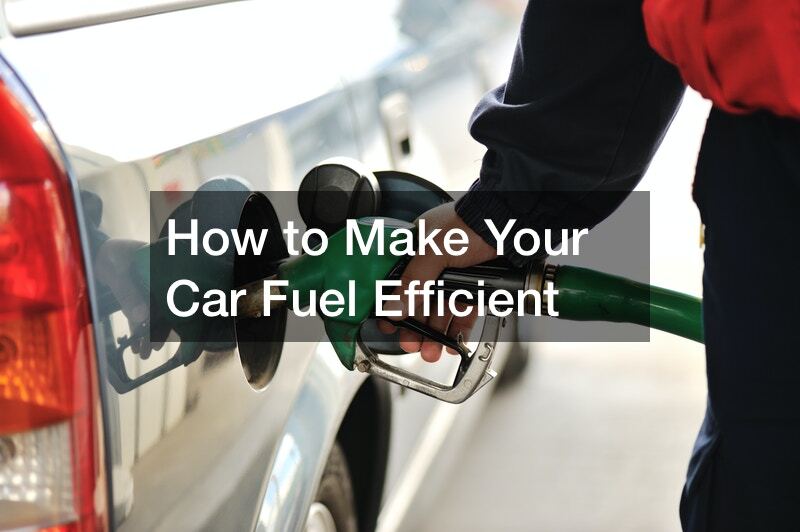
Proper driving habits are crucial for maximizing your vehicle’s fuel efficiency. By understanding and implementing efficient driving techniques, you can significantly reduce fuel consumption and contribute to a more environmentally friendly approach to transportation. These practices, while seemingly small, can lead to considerable savings over time.Efficient driving techniques encompass a broad range of practices, from gentle acceleration and braking to strategic use of cruise control.
By adopting these techniques, drivers can not only improve their fuel economy but also enhance their overall driving experience, making the journey smoother and more enjoyable.
Impact of Acceleration and Braking
Aggressive acceleration and braking significantly diminish fuel economy. Rapid acceleration demands a substantial amount of power from the engine, leading to higher fuel consumption. This is due to the increased demand for energy to overcome inertia and propel the vehicle. Similarly, forceful braking requires the engine to work harder to slow the vehicle, further increasing fuel usage.
The energy lost during braking is converted into heat, and this heat dissipates into the surroundings.
Driving Techniques to Minimize Fuel Consumption
Maintaining a steady speed is paramount for fuel efficiency. Varying speeds require the engine to work harder to maintain acceleration or decelerate, thus consuming more fuel. Avoiding sudden movements, including abrupt starts and stops, is equally important. These sudden changes in speed place unnecessary stress on the engine and increase fuel consumption. Cruise control, when used appropriately, can be a valuable tool for maintaining a constant speed and minimizing fuel usage, particularly on long stretches of highway driving.
Proper use of cruise control involves careful consideration of traffic conditions and road characteristics.
Impact of Idling
Idling, or maintaining a stationary vehicle with the engine running, consumes fuel without any corresponding forward movement. The engine’s operation, even at a standstill, requires fuel, and the amount of fuel used during idling time can add up considerably. Therefore, minimizing idling time is crucial for maximizing fuel efficiency. Strategies for minimizing idling time include shutting off the engine when stopped for extended periods, using the car’s features to assist in the shut-down process, and being aware of the surrounding traffic conditions to anticipate potential stops.
Comparison of Driving Styles
| Driving Style | Fuel Efficiency (estimated MPG) | Description |
|---|---|---|
| Aggressive | 15-20 MPG | Characterized by rapid acceleration, forceful braking, and frequent changes in speed. |
| Smooth | 25-35 MPG | Characterized by gradual acceleration, controlled braking, and maintenance of a steady speed. |
Note: The estimated MPG values in the table are approximate and may vary depending on several factors, including the specific vehicle model, driving conditions, and road topography.
Using the Vehicle Manual for Fuel-Efficient Driving
Vehicle manuals provide valuable insights into fuel-efficient driving techniques specific to the vehicle model. These manuals often contain detailed instructions and recommendations for optimizing fuel economy. By consulting the vehicle’s manual, drivers can access tailored advice that aligns with their specific vehicle’s characteristics and operating parameters. Furthermore, many manuals offer detailed explanations of the vehicle’s fuel system, engine performance, and other factors that influence fuel efficiency.
Understanding these aspects can guide drivers in making informed decisions to maximize their fuel economy.
Vehicle Aerodynamics and Weight
Optimizing vehicle aerodynamics and managing weight are crucial aspects of improving fuel efficiency. These factors significantly influence a vehicle’s ability to navigate through the air with minimal resistance, directly impacting the fuel consumed during travel. Understanding these elements allows for informed choices in vehicle design and modification to achieve better fuel economy.
Aerodynamic Modifications and Fuel Efficiency
Aerodynamic modifications can substantially enhance fuel efficiency by reducing air resistance. This resistance, often referred to as drag, opposes the forward motion of the vehicle. By minimizing drag, vehicles can travel further on a given amount of fuel. Careful design considerations for components like the vehicle’s shape, roof, and undercarriage can significantly reduce drag forces.
Factors Affecting Aerodynamics
Several factors influence a vehicle’s aerodynamic profile and, consequently, its fuel efficiency. The shape of the vehicle’s roof, for example, plays a pivotal role. A smoother, more streamlined roof design reduces air turbulence and drag. Spoilers, often integrated into the rear of the vehicle, help manage airflow, improving stability and reducing lift. Similarly, the underbody of a vehicle impacts aerodynamic performance.
Minimizing underbody protrusions and ensuring a smooth, flush design minimizes air resistance. These factors are intertwined, meaning improvements in one area can positively influence another.
Relationship Between Vehicle Weight and Fuel Economy
The weight of a vehicle is directly correlated with its fuel consumption. A heavier vehicle requires more energy to overcome inertia and maintain speed. Every extra kilogram contributes to increased fuel expenditure. Consequently, lighter vehicles generally exhibit better fuel economy. Modern vehicle designs often employ lightweight materials like aluminum and high-strength steel to reduce weight without compromising structural integrity.
Comparison of Vehicle Designs
Different vehicle designs exhibit varying aerodynamic characteristics, directly influencing their fuel efficiency. Compact cars, often featuring sleek designs and lower profiles, tend to have better fuel economy compared to larger SUVs or trucks. The added weight and larger surface area of SUVs and trucks typically result in higher fuel consumption. Moreover, the design and integration of aerodynamic components, such as spoilers and underbody panels, can further differentiate fuel efficiency across various models.
Common Aerodynamic Modifications and Potential Savings
This table presents common aerodynamic modifications and their estimated fuel savings. These savings are dependent on various factors, including the vehicle’s initial design and driving conditions. It is crucial to note that these are estimations, and real-world results may vary.
| Modification | Potential Fuel Savings (estimated) |
|---|---|
| Aerodynamic Roof Spoiler | 1-3% |
| Underbody Paneling | 2-5% |
| Wheel Covers | 1-2% |
| Windshield Wipers (modified design) | 1-2% |
| Tires with lower rolling resistance | 1-3% |
Fuel Type and Engine Optimization
Choosing the right fuel type and optimizing engine performance are crucial for achieving better fuel economy. Proper fuel selection and engine tuning can significantly impact a vehicle’s mileage, reducing operating costs and environmental impact. This section delves into the effects of various fuels and engine types on fuel efficiency, as well as methods for optimizing engine performance to maximize fuel economy without sacrificing performance.
Impact of Fuel Types on Fuel Economy
Different fuel types have varying energy densities and combustion characteristics, directly influencing fuel economy. Gasoline, diesel, and ethanol blends, each with distinct properties, impact fuel efficiency differently. Gasoline, the most common fuel, offers a balance between energy content and combustion characteristics. Diesel fuel, often denser than gasoline, provides higher energy density, translating into potentially better fuel economy in some vehicles.
Ethanol blends, while renewable, can reduce fuel economy in some instances due to their lower energy density compared to gasoline. The specific fuel efficiency impact also depends on the vehicle’s engine design and the blend’s ethanol content.
Comparison of Fuel Efficiency Across Engine Types
Internal combustion engines (ICEs) are categorized by design, each impacting fuel economy. For instance, gasoline direct injection (GDI) engines, by delivering fuel directly into the combustion chamber, often achieve higher fuel economy compared to traditional port fuel injection systems. Diesel engines, with their higher compression ratios, can exhibit better fuel efficiency at certain operating conditions. Hybrid and electric vehicles, by integrating electric motors with ICEs or using solely electric powertrains, can achieve remarkably high fuel efficiency in many driving situations.
The efficiency of an engine type depends heavily on factors like vehicle design, driving style, and specific engine configuration.
Importance of Engine Optimization for Fuel Efficiency
Engine optimization involves fine-tuning various parameters to enhance fuel efficiency. This process can involve adjusting ignition timing, fuel injection rates, and air intake parameters. These adjustments, when implemented correctly, can significantly improve fuel economy without compromising engine performance. Modern engines often incorporate sophisticated control systems that adjust these parameters dynamically, maximizing fuel efficiency in different driving conditions.
Engine Tuning Techniques for Enhanced Fuel Economy
Various engine tuning techniques can boost fuel efficiency. These include optimizing the air-fuel ratio, ensuring precise fuel injection timing, and managing exhaust gas recirculation. Efficient engine tuning is also closely tied to the vehicle’s overall design, including aerodynamic properties, weight distribution, and tire selection. Furthermore, proper maintenance, including regular oil changes and spark plug replacements, is vital to maintaining optimal engine performance and fuel efficiency.
Fuel Economy Comparison Table
| Fuel Type | Vehicle Model (Example) | Estimated Fuel Economy (mpg) |
|---|---|---|
| Gasoline | Compact Sedan | 35-40 |
| Gasoline | SUV | 25-35 |
| Diesel | Compact Sedan | 40-45 |
| Diesel | Pickup Truck | 28-38 |
| Ethanol Blend (E10) | Sedan | 30-35 |
Note: Estimated fuel economy figures may vary based on specific vehicle model, driving conditions, and driver habits.
Alternative Fuel Sources and Hybrid Systems
Alternative fuel sources and hybrid vehicle technologies are rapidly evolving, offering exciting possibilities for enhancing fuel efficiency and reducing environmental impact. These innovative approaches are changing the landscape of transportation, and understanding their benefits, drawbacks, and implications is crucial for informed decision-making.Modern advancements in automotive engineering are progressively incorporating alternative fuels and hybrid systems, which contribute to more sustainable and eco-friendly transportation.
These systems, while promising, come with specific considerations that consumers need to understand. By examining the advantages and disadvantages, along with long-term cost projections, individuals can make well-informed choices that align with their needs and values.
Benefits of Alternative Fuel Sources
Alternative fuel sources, such as electric vehicles (EVs) and biofuels, present several significant advantages. EVs, powered by batteries, offer zero tailpipe emissions, contributing to cleaner air quality and mitigating the impact of traditional fossil fuel combustion. Biofuels, derived from renewable sources, can also reduce reliance on finite petroleum reserves and lessen greenhouse gas emissions, although the environmental impact varies depending on the specific biofuel type and production process.
The reduction in reliance on imported oil is another compelling reason for consideration.
Overview of Hybrid Vehicle Technology
Hybrid vehicle technology combines traditional internal combustion engines (ICE) with electric motors. This combination optimizes fuel efficiency by leveraging the strengths of both systems. In hybrid vehicles, the electric motor assists the ICE, providing power for acceleration and reducing engine workload during cruising, thereby improving fuel economy. Regenerative braking further enhances efficiency by converting kinetic energy back into electrical energy.
The overall result is a noticeable reduction in fuel consumption compared to purely gasoline-powered vehicles.
Advantages and Disadvantages of Alternative Fuels and Hybrid Systems
Alternative fuel sources and hybrid systems present both advantages and disadvantages. Electric vehicles, for instance, offer zero tailpipe emissions and potentially lower running costs in certain regions with favorable electricity rates. However, the high upfront cost of EVs and the limited range of some models remain significant considerations. Hybrid vehicles offer a practical compromise, combining the benefits of both electric and ICE systems.
While hybrid vehicles are generally more fuel-efficient than conventional vehicles, the extent of savings can vary depending on driving habits and the specific hybrid technology.
Factors to Consider When Choosing Between Traditional and Alternative Fuel Vehicles
- Upfront Cost: Alternative fuel vehicles often have a higher initial purchase price than traditional gasoline-powered vehicles. This can be offset by potential long-term savings, government incentives, and depreciation rates. Careful evaluation of total ownership costs is vital.
- Fuel Costs: Electricity costs vary significantly by region and time of year. Understanding electricity rates and the potential for lower fuel costs with alternative fuels is essential for long-term financial planning.
- Maintenance and Repair: Alternative fuel vehicles may require different maintenance practices and specialized repair expertise, which can impact long-term costs. Availability of repair facilities and technicians should be considered.
- Range and Charging Infrastructure: Electric vehicles have a limited range that can affect daily usage and require access to charging stations. The availability of charging stations and charging times are key considerations.
- Environmental Impact: The production and disposal of alternative fuel vehicles and components must be assessed. The environmental impact of the entire life cycle of a vehicle, including manufacturing and disposal, should be considered.
Long-Term Cost Savings with Alternative Fuel Sources
“Adopting alternative fuel sources, while initially more expensive, often results in substantial long-term cost savings, especially in the context of declining gasoline prices and increasing electricity costs.”
Several factors contribute to potential long-term cost savings. Electricity costs in many regions are projected to increase, and electric vehicles, if operated with electricity generated from renewable sources, will reduce reliance on fossil fuels. Electric vehicles often experience lower maintenance costs compared to gasoline-powered vehicles due to fewer moving parts. Government incentives, such as tax credits and rebates, can further reduce the financial burden of purchasing alternative fuel vehicles.
Driving Conditions and Environmental Factors
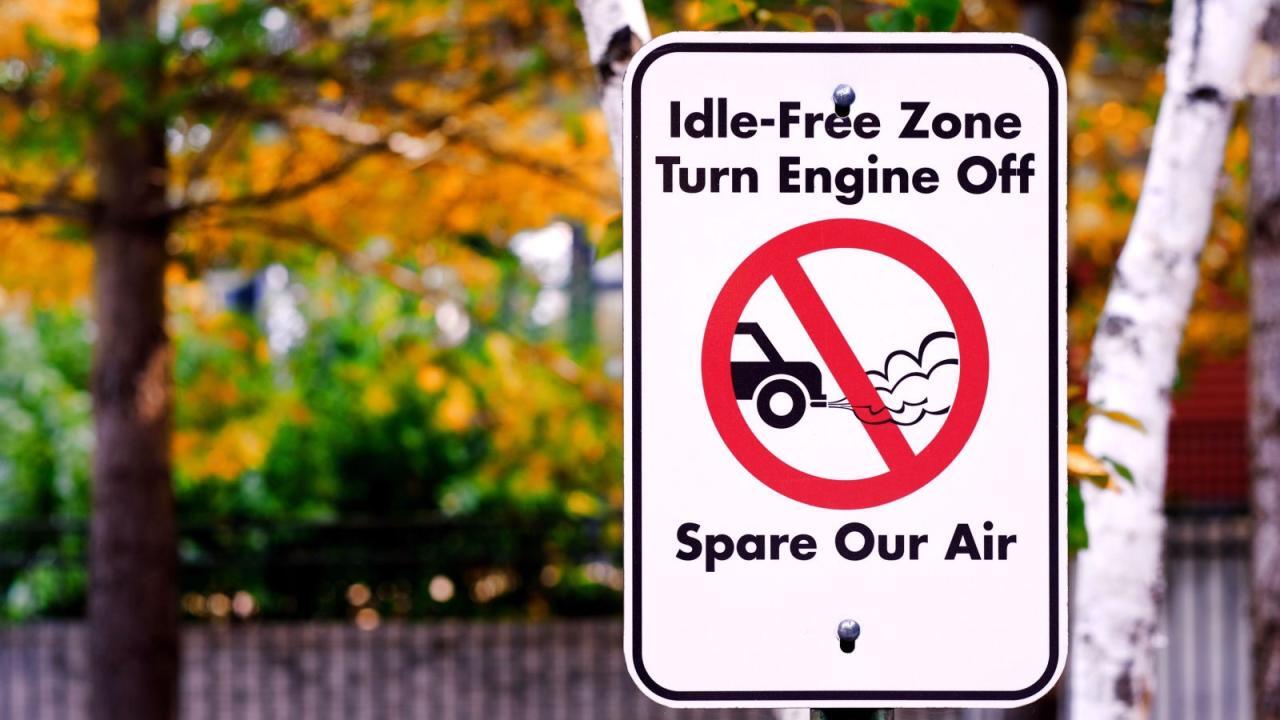
Driving efficiency is not solely dependent on vehicle characteristics. External factors, such as driving conditions and environmental influences, significantly impact fuel consumption. Understanding these factors allows drivers to make informed decisions to optimize their fuel economy. Factors like traffic congestion, varying weather conditions, and geographical location all play crucial roles in how efficiently a vehicle operates.
Impact of Driving Conditions
Different driving conditions exert varying levels of influence on fuel economy. Traffic congestion, for instance, frequently leads to reduced fuel efficiency due to frequent acceleration and deceleration. Stop-and-go traffic necessitates more frequent engine starts and stops, increasing fuel consumption compared to consistent, steady driving. This is because the engine needs to repeatedly transition from a low to a high operating state, and the time it takes to reach peak efficiency is lost in the process.
Similarly, frequent braking and acceleration in urban environments diminish fuel efficiency.
Influence of Temperature and Altitude
Temperature and altitude directly affect fuel economy. In extremely cold temperatures, the engine’s efficiency may be reduced as the lubricating oils become less fluid, leading to increased friction. Conversely, excessively high temperatures can impact fuel performance due to increased evaporation rates. Altitude also affects fuel economy, as the lower air density at higher elevations requires more engine power to maintain the same speed.
As an example, driving at a high altitude will result in a reduction in fuel efficiency compared to driving at sea level.
Wind Resistance
Wind resistance is a significant factor affecting fuel consumption. The greater the wind resistance, the more power the engine needs to overcome it, thus increasing fuel usage. Headwinds, for instance, directly impede forward progress, increasing fuel consumption, while tailwinds can contribute to improved fuel efficiency. Vehicles with aerodynamic designs are generally more efficient in reducing wind resistance.
For instance, a vehicle with a smooth, streamlined shape experiences less wind resistance compared to a vehicle with a boxy design.
Geographic Variations in Fuel Efficiency
Fuel efficiency can vary significantly across different geographic locations. Factors such as average driving speeds, typical road conditions, and prevailing weather patterns can influence fuel economy. For instance, drivers in areas with heavy traffic will likely experience lower fuel economy compared to those in areas with more open roads and fewer traffic interruptions.
Driving Tips for Various Weather Conditions
Optimal driving techniques can mitigate the negative impact of adverse weather conditions on fuel efficiency. In cold weather, drivers should avoid rapid acceleration and maintain a steady speed whenever possible. During rainy or snowy conditions, reduce speed to minimize the effects of increased tire resistance and maintain safe following distances to avoid sudden braking maneuvers. Moreover, ensuring tires are properly inflated can also improve fuel efficiency in various weather conditions.
Maintaining a consistent speed and avoiding sudden acceleration or braking is crucial in any weather condition to optimize fuel economy.
Fuel-Efficient Vehicle Features
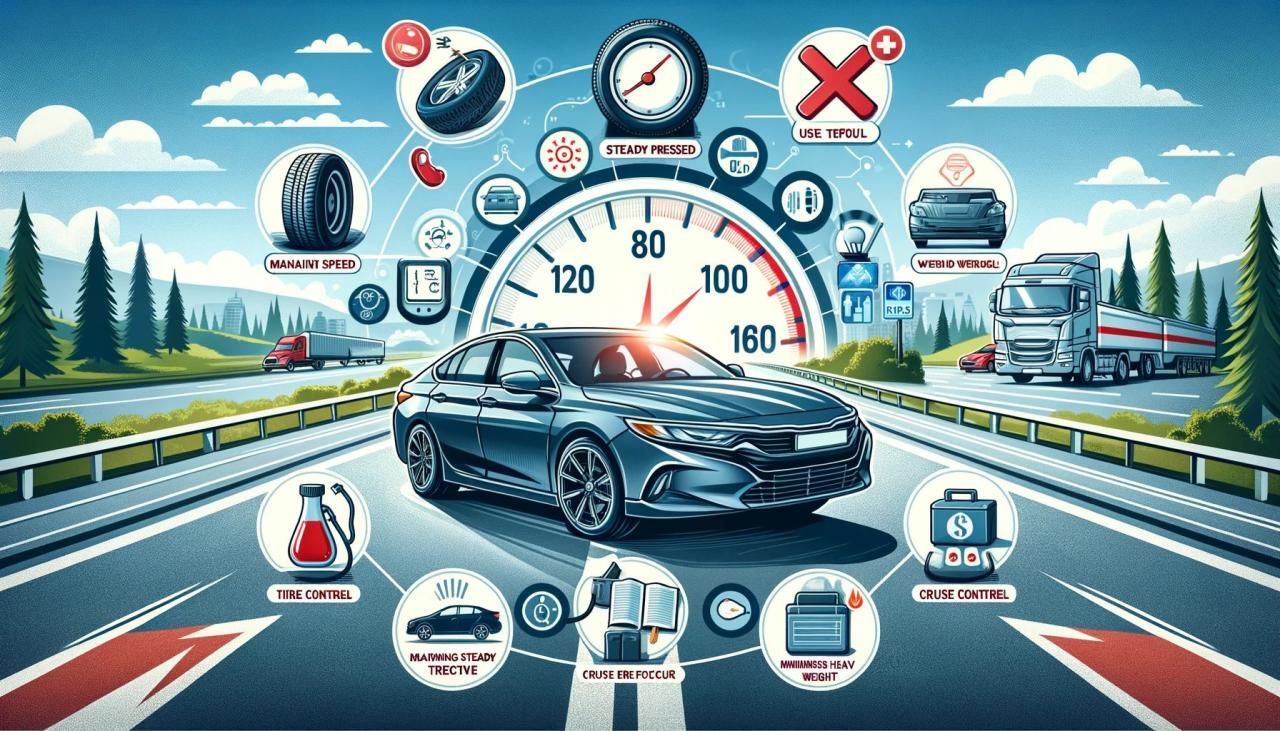
Modern vehicles incorporate a range of features designed to enhance fuel efficiency, significantly impacting overall performance and environmental impact. These features leverage technological advancements to optimize energy consumption, contributing to reduced emissions and lower operating costs. From sophisticated engine management systems to innovative braking mechanisms, these advancements are constantly evolving to provide drivers with more fuel-efficient options.
Engine Start/Stop Systems
Engine start/stop systems automatically shut off the engine when the vehicle is stationary, such as at traffic lights or in parking lots. This feature significantly reduces fuel consumption during idling periods. The system restarts the engine smoothly and quietly when the driver depresses the accelerator, providing seamless operation. By minimizing idling time, these systems contribute substantially to improved fuel economy.
The effectiveness of start/stop systems varies based on driving habits and traffic conditions.
Regenerative Braking
Regenerative braking systems capture kinetic energy during braking and convert it into electrical energy, which is then stored in the battery. This stored energy can then be used to power the vehicle’s electrical systems or to assist the engine in accelerating. This process reduces the reliance on the engine for braking, ultimately contributing to fuel savings. The extent of fuel savings with regenerative braking depends on the system’s sophistication and the driver’s braking habits.
Modern systems can effectively recapture a significant portion of the vehicle’s braking energy.
Aerodynamic Design
Aerodynamic design plays a crucial role in reducing fuel consumption. Features like optimized body shapes, spoilers, and aerodynamic wheels minimize air resistance, allowing the vehicle to move through the air more efficiently. This translates to lower fuel consumption at higher speeds, leading to considerable savings over the vehicle’s lifespan. A streamlined vehicle body design is critical for reducing drag and improving fuel economy.
Lightweight Materials
The use of lightweight materials in vehicle construction is another important aspect of fuel efficiency. Reducing the weight of the vehicle lowers the overall energy required to accelerate and maintain speed. The use of advanced materials like aluminum and carbon fiber in vehicle components can substantially reduce the vehicle’s overall mass, improving fuel economy. This technology is constantly evolving, with new and lighter materials being developed to enhance vehicle performance and efficiency.
Fuel-Efficient Vehicle Examples
- Toyota Prius: Known for its hybrid powertrain, the Prius exemplifies fuel-efficient technology, combining an electric motor with a gasoline engine for enhanced fuel economy. The Prius demonstrates the potential for significant fuel savings through hybrid technology.
- Honda Insight: Another prominent hybrid vehicle, the Insight leverages a similar hybrid powertrain to achieve high fuel efficiency ratings, highlighting the efficacy of hybrid powertrains in real-world applications.
- Hyundai Ioniq: The Ioniq offers various hybrid and electric vehicle options, showcasing the adaptability of modern technology to deliver multiple fuel-efficient solutions. The Ioniq represents the growing trend towards electric and hybrid vehicles.
Optimizing Fuel Efficiency
Proper use of vehicle features can maximize fuel efficiency. For example, maintaining the appropriate tire pressure is crucial, as under-inflated tires increase rolling resistance and reduce fuel economy. Driving at consistent speeds and avoiding rapid acceleration and braking also contributes to improved fuel efficiency. Proper maintenance of the vehicle, including regular tune-ups and checking fluid levels, can help ensure optimal fuel efficiency.
Driving techniques and driving conditions also play a major role in how effectively these features work.
Technology’s Role in Fuel Economy
Technological advancements are continuously improving fuel economy. From advanced engine management systems to sophisticated braking systems, these innovations contribute to lower fuel consumption. Ongoing research and development in materials science and engine design will likely lead to even greater improvements in fuel efficiency in the future. The introduction of new technologies has a significant impact on fuel consumption and emissions, making vehicles more environmentally friendly.
Outcome Summary

In conclusion, achieving better fuel efficiency involves a multifaceted approach encompassing driving techniques, vehicle maintenance, aerodynamic considerations, and fuel optimization. By adopting the strategies discussed in this guide, you can significantly reduce your fuel consumption, save money, and contribute to a greener future. Remember that consistent effort and mindful practices will yield the best results in maximizing your car’s fuel economy.