Transforming your home into an eco-friendly haven is achievable and rewarding. This guide explores the key steps and considerations for making sustainable renovations, from material choices to energy efficiency improvements and waste reduction strategies.
By understanding the core principles of sustainable home improvements and implementing the practical strategies Artikeld here, you can create a more environmentally conscious and energy-efficient living space, benefiting both your home and the planet. This guide will equip you with the knowledge and tools to embark on this rewarding journey.
Introduction to Eco-Friendly Renovations
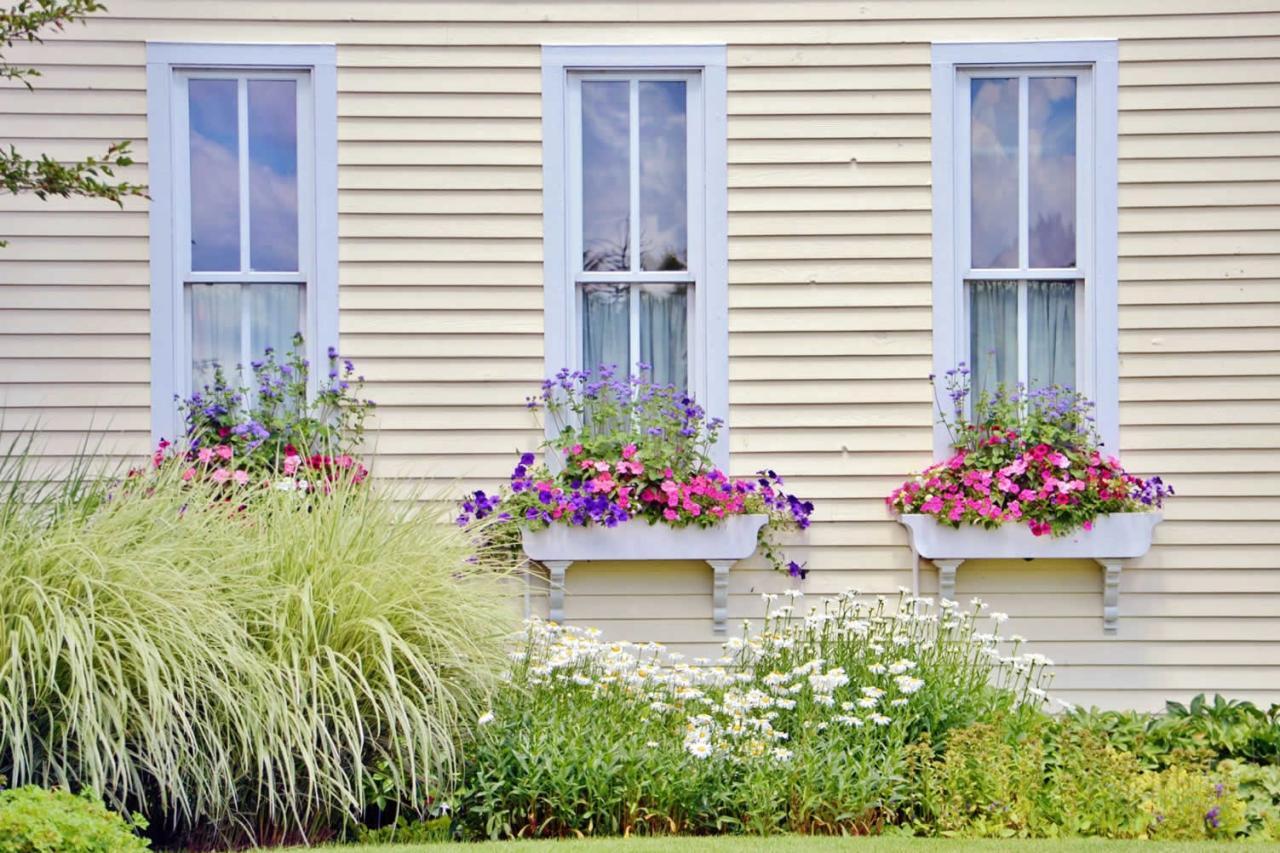
Eco-friendly home renovations prioritize sustainability and minimize environmental impact throughout the entire process, from material selection to waste disposal. These renovations aim to reduce the home’s carbon footprint and promote healthier living environments for occupants. They recognize the interconnectedness of our homes with the wider environment and strive to create a more harmonious relationship between the two.Sustainable home improvements are driven by the core principles of reducing resource consumption, minimizing waste generation, and employing renewable energy sources.
This approach emphasizes the long-term well-being of both the occupants and the planet. By incorporating these principles, homeowners can contribute to a healthier and more sustainable future.
Definition of Eco-Friendly Renovations
Eco-friendly home renovations encompass a wide range of projects designed to lessen the environmental footprint of a home. These renovations go beyond merely using energy-efficient appliances. They integrate sustainable practices throughout the entire process, from material selection to construction methods. The focus is on reducing environmental impact, promoting resource conservation, and creating a healthier indoor environment.
Core Principles of Sustainable Home Improvements
The core principles of sustainable home improvements are centered around minimizing environmental impact and maximizing resource efficiency. Key principles include: reducing energy consumption through better insulation and energy-efficient windows, using recycled or renewable materials, minimizing waste during construction, and promoting water conservation. These actions collectively contribute to a more sustainable and environmentally conscious home.
Examples of Eco-Friendly Renovations
Eco-friendly renovations can manifest in diverse ways. Examples include installing solar panels to generate renewable energy, using reclaimed wood or bamboo for flooring, opting for energy-efficient windows and doors, implementing water-saving fixtures, and incorporating green spaces like rooftop gardens. These examples demonstrate the range of possibilities for creating a sustainable home.
Benefits of Eco-Friendly Renovations
Eco-friendly renovations offer a multitude of benefits, extending beyond environmental considerations. These include: reduced energy bills, increased property value, enhanced indoor air quality, and a stronger sense of environmental responsibility. They also foster a healthier living environment for occupants, minimizing exposure to harmful chemicals and promoting a more sustainable lifestyle.
Eco-Friendly Materials and Their Environmental Impact
| Material Type | Source | Environmental Impact (Reduced Emissions/Waste) | Sustainability Considerations |
|---|---|---|---|
| Recycled Wood | Repurposed from existing structures | Significant reduction in deforestation and carbon emissions. Less demand on virgin timber resources. | Requires careful sourcing and processing to ensure quality and durability. |
| Bamboo | Fast-growing grass | Rapid growth and renewable nature result in a lower carbon footprint compared to timber. | Requires responsible cultivation and processing to avoid habitat destruction. |
| Reclaimed Materials | Existing structures/buildings | Reduces the need for new resources, minimizing environmental impact from extraction and manufacturing. | Often requires careful restoration and adaptation to modern building codes. |
| Hempcrete | Hemp stalks | Excellent insulation properties, resulting in reduced energy consumption for heating and cooling. | Requires specific expertise for application and can be more expensive initially. |
Sustainable Material Choices
Choosing sustainable materials for home renovations is crucial for minimizing environmental impact. These materials often come with lower embodied energy, reduced waste generation, and promote the use of renewable resources. A careful consideration of the entire lifecycle of a material, from extraction to disposal, is essential for truly sustainable choices.Sustainable materials offer a range of benefits, extending beyond environmental considerations.
They often enhance indoor air quality, contribute to a healthier living space, and can increase the longevity and value of the renovated home.
Various Sustainable Building Materials
A wide array of sustainable materials are available for home renovations, offering diverse properties and functionalities. These materials encompass various categories, including wood, insulation, and roofing materials. Understanding their characteristics and the associated environmental impacts is key to informed decision-making.
Environmental Impact Comparison
The environmental impact of different building materials varies significantly. Factors like the energy consumed during production, the embodied carbon, and the waste generated during manufacturing and disposal all contribute to the overall ecological footprint. For instance, materials derived from sustainably managed forests have a considerably lower impact compared to those from unsustainable sources. Recycled materials generally exhibit a lower carbon footprint than virgin materials, often with significantly reduced energy consumption.
Sourcing and Production Processes
Sustainable sourcing and production processes are paramount for environmentally responsible renovations. The origin of the material, its production methods, and the potential for recycling or reuse throughout its lifecycle are vital factors to consider. Certifications and labels can offer insights into the sustainability of materials and practices. For example, the Forest Stewardship Council (FSC) certification assures responsible forest management, while recycled content labeling highlights the use of post-consumer materials.
Lifecycle Assessment of Materials
A comprehensive lifecycle assessment (LCA) of a material considers its entire existence, from the raw material extraction to its end-of-life disposal. This assessment evaluates the energy consumption, greenhouse gas emissions, water usage, and waste generation at each stage. A thorough LCA provides a holistic understanding of the environmental impact of a material, allowing for informed comparisons across different options.
For example, comparing the LCA of wood from sustainably managed forests with wood from clear-cut forests highlights the significant difference in environmental impact.
Sustainable Roofing Materials
Choosing roofing materials with minimal environmental impact is essential for sustainable renovations. The following table provides a comparison of common sustainable roofing materials, focusing on their advantages and disadvantages.
| Material | Pros | Cons | Environmental Impact Considerations |
|---|---|---|---|
| Recycled Plastic Roofing | High recyclability, often made from recycled plastics, cost-effective, durable | Potential for leaching of chemicals, limited aesthetic options, might not be suitable for all climates | Low embodied energy, reduced waste, but potential chemical leaching issues need careful evaluation. |
| Sustainable Wood Shingles | Aesthetically pleasing, good insulation, renewable resource (if sustainably sourced) | Susceptibility to rot, insects, and fire, requires regular maintenance, potentially higher initial cost | Lower embodied energy than non-renewable alternatives, but requires careful consideration of sourcing and treatment methods. |
| Clay Tiles | Durable, long lifespan, naturally insulating, aesthetically pleasing | Heavy, may be challenging to install, high embodied energy depending on the production process | Naturally occurring material, but energy consumption during manufacturing and transportation must be considered. |
| Solar Roofing Tiles | Generates electricity, aesthetic options, energy efficiency | Higher initial cost, limited availability, potential for thermal stress | Low embodied energy, potentially high energy generation but requires careful consideration of manufacturing process and long-term performance. |
Energy Efficiency Improvements
Eco-friendly home renovations often prioritize energy efficiency to reduce environmental impact and lower utility costs. Improving energy efficiency is a crucial aspect of sustainable home renovation, contributing to both financial savings and a smaller carbon footprint. By strategically implementing energy-saving measures, homeowners can create a more comfortable and environmentally responsible living space.
Energy-Efficient Appliances and Fixtures
Choosing energy-efficient appliances and fixtures is a fundamental step in enhancing home energy efficiency. Energy Star certified appliances, for instance, are designed to use significantly less energy than traditional models, translating to substantial savings over the appliance’s lifespan. This includes refrigerators, washing machines, dishwashers, and lighting fixtures. Replacing incandescent bulbs with LED lighting is another impactful change.
LED bulbs use considerably less energy to produce the same amount of light, leading to a substantial reduction in electricity consumption. Further, low-flow showerheads and faucets reduce water consumption, thereby conserving energy in water heating.
Insulation and Air Sealing
Proper insulation and air sealing are essential for maintaining a comfortable indoor temperature and reducing energy waste. Adequate insulation reduces heat transfer, preventing excessive heat loss in winter and heat gain in summer. This not only improves comfort but also significantly lowers energy bills. Air sealing, on the other hand, addresses gaps and cracks in the building envelope that allow air to infiltrate.
These air leaks contribute significantly to energy loss. Careful attention to insulation and air sealing can make a noticeable difference in energy consumption. For example, sealing cracks around windows and doors and installing appropriate insulation in walls, attics, and basements will dramatically improve energy efficiency.
Renewable Energy Sources
Integrating renewable energy sources into a home renovation project can further enhance sustainability and independence from traditional energy grids. Solar panels, for instance, capture solar energy and convert it into usable electricity. This not only reduces reliance on fossil fuels but also generates clean, renewable energy. Other options include wind turbines, which are particularly suitable for areas with consistent wind speeds.
Geothermal systems, which use the Earth’s consistent temperature, can provide heating and cooling solutions. The choice of renewable energy source often depends on local conditions and the specific needs of the home. For example, homes located in sunny climates are ideal candidates for solar panel installations.
Window Energy Efficiency Comparison
| Window Type | U-Value (W/m²K) | SHGC (Solar Heat Gain Coefficient) | Energy Efficiency Rating |
|---|---|---|---|
| Single-pane windows | 6.0 – 7.0 | 0.85 – 0.90 | Low |
| Double-pane windows | 3.0 – 4.0 | 0.65 – 0.75 | Medium |
| Triple-pane windows | 2.0 – 2.5 | 0.55 – 0.65 | High |
| Low-E coated windows | 2.0 – 3.5 | 0.45 – 0.60 | High |
The table above illustrates the comparative energy efficiency of different window types, highlighting the importance of choosing energy-efficient windows in home renovations. U-value measures heat transfer through the window, while SHGC quantifies solar heat gain. Lower U-values and SHGC values indicate better energy efficiency.
Water Conservation Strategies
Conserving water during home renovations is crucial for environmental sustainability and cost-effectiveness. Implementing water-efficient fixtures, appliances, and landscaping techniques can significantly reduce water consumption, benefitting both the homeowner and the environment. This section explores various strategies for achieving water conservation in home renovations.
Water-Saving Fixtures and Appliances
Water-efficient fixtures and appliances are readily available and represent a significant opportunity for immediate water savings. Modern toilets, faucets, and showerheads are designed with innovative technologies to dramatically reduce water usage without compromising functionality. Choosing these models during renovations can yield substantial long-term benefits.
- Low-flow toilets are engineered to use significantly less water per flush compared to traditional models. They achieve this through innovative design features such as dual-flush mechanisms and specially designed tank shapes. By opting for these models, significant water savings are achieved without compromising the functionality of the toilet.
- Low-flow showerheads reduce water flow rates, allowing for a satisfying shower experience while minimizing water consumption. These showerheads often employ aerators to mix air with water, creating a perceived stronger flow while using less water. They can easily be installed during renovations.
- Water-efficient faucets and sink aerators can dramatically reduce water usage during everyday tasks like handwashing and dishwashing. These fixtures incorporate technologies that mix air with water to create a fuller stream with reduced water volume. They are easily integrated into new installations during renovations.
Rainwater Harvesting Systems
Rainwater harvesting systems collect rainwater for non-potable uses, such as irrigation and toilet flushing. These systems can be integrated into new construction or retrofitted into existing homes during renovations. The implementation of such systems reduces reliance on municipal water supplies, promoting water conservation and resilience to drought conditions.
- Rainwater harvesting systems typically consist of gutters, downspouts, collection tanks, and distribution pipes. The collected water is then directed to designated areas for non-potable uses.
- Properly designed and installed systems can significantly reduce water usage for landscaping, reducing reliance on municipal water supplies. These systems can be customized to suit various home sizes and needs.
- Implementing a rainwater harvesting system requires careful planning to ensure proper water quality and safety. Proper filtration and storage techniques are essential for avoiding contamination.
Greywater Recycling Systems
Greywater recycling systems collect and treat wastewater from sinks, showers, and laundry machines for non-potable uses. These systems can reduce water consumption by reusing water that would otherwise be discharged into municipal sewer systems. Greywater recycling is a sustainable practice, especially beneficial in areas with water scarcity.
- Greywater recycling systems involve collecting wastewater from sinks, showers, and laundry machines, filtering it, and then treating it before reusing it for irrigation. This process is designed to reduce water consumption for non-potable purposes.
- Careful filtration and disinfection are crucial to ensure the safety and quality of the recycled water. Systems are available that can handle varying levels of wastewater flow and meet specific local regulations.
- Proper implementation and maintenance of greywater recycling systems are essential to ensure safety and prevent contamination of the treated water.
Drought-Resistant Landscaping Techniques
Drought-resistant landscaping minimizes water consumption for irrigation, preserving water resources in dry climates. These techniques involve selecting native and adapted plants that require minimal water for survival. Proper selection and installation of these plants can dramatically reduce the amount of water needed to maintain a healthy and aesthetically pleasing landscape.
- Selecting drought-tolerant plants, such as native shrubs and trees, minimizes the need for frequent irrigation.
- Implementing efficient irrigation systems, such as drip irrigation, targets water directly to plant roots, reducing water loss due to evaporation.
- Mulching around plants helps retain moisture in the soil, reducing the frequency of irrigation.
Comparison of Toilet Water Efficiency
| Toilet Type | Water Usage (gallons/flush) | Typical Cost | Maintenance Requirements |
|---|---|---|---|
| Traditional Toilet | 3.5-5.0 | Lower | Regular cleaning and inspection |
| Low-Flow Toilet | 1.6-2.8 | Higher initially | Similar to traditional toilets |
| High-Efficiency Toilet (HET) | 1.28 | Higher initially | Similar to traditional toilets |
Note: Water usage figures are approximate and may vary depending on the specific model. Costs and maintenance requirements are general estimations.
Waste Reduction and Recycling

Minimizing waste during home renovations is crucial for environmental sustainability. Proper waste management practices not only reduce the environmental impact but also often lead to cost savings by minimizing disposal fees and maximizing resource recovery. This section details strategies for waste reduction and recycling during a renovation project.
Waste Reduction Strategies During Renovations
Careful planning and execution are key to minimizing waste generation. Implementing a comprehensive waste reduction strategy from the initial design phase to the final clean-up significantly reduces the environmental footprint of the renovation. This includes choosing materials with minimal packaging, procuring materials efficiently, and utilizing construction techniques that minimize material loss. Furthermore, accurately estimating material needs prevents over-purchasing and subsequent waste.
Opportunities for Recycling Construction Waste
Many construction materials can be recycled or reused, reducing landfill burden. Demolition debris, wood scraps, metal components, and drywall can often be diverted from landfills through proper sorting and recycling programs. Collaborating with local recycling centers and contractors familiar with these processes is essential for successful waste diversion.
Methods for Composting Organic Materials
Organic materials, such as wood chips, yard waste, and food scraps generated during renovations, can be composted. Composting these materials converts them into nutrient-rich soil amendments, enriching gardens and landscaping. This process reduces landfill waste and provides a valuable resource for home improvement projects. A simple composting bin can be set up on-site or, for larger projects, partnering with a local composting facility can be considered.
Benefits of Using Recycled and Reclaimed Materials
Using recycled and reclaimed materials in renovations offers environmental and economic benefits. These materials reduce the demand for virgin resources, conserving natural resources. Recycled materials often have comparable performance characteristics to their virgin counterparts while offering a unique aesthetic appeal, contributing to the character and uniqueness of the home. Furthermore, using reclaimed wood or other materials can significantly reduce the carbon footprint associated with a renovation.
Waste Management Practices During a Renovation
| Waste Type | Recycling Method | Disposal Method | Notes |
|---|---|---|---|
| Wood scraps | Recycling centers accepting wood waste | Landfill (if recycling not possible) | Properly sort and separate from other materials. |
| Metal scraps | Metal recycling facilities | Landfill (if recycling not possible) | Ensure materials are clean and free of contaminants. |
| Drywall | Drywall recycling centers or demolition companies | Landfill (if recycling not possible) | Check for local regulations on drywall disposal. |
| Plastic sheeting | Recycling centers accepting plastic | Landfill (if recycling not possible) | Ensure plastic is clean and free of contaminants. |
| Construction debris | Construction debris recycling facilities | Landfill (if recycling not possible) | Sort materials into appropriate categories for recycling. |
Indoor Air Quality
Renovating a home presents an opportunity to improve indoor air quality (IAQ), a critical aspect of occupant health and well-being. Poor IAQ can lead to a variety of respiratory problems, headaches, and other health issues. By focusing on the materials used and ventilation strategies, homeowners can significantly enhance the air quality in their renovated spaces.
Low-VOC Materials
The selection of building materials plays a crucial role in maintaining healthy indoor air. Many modern paints, adhesives, and sealants contain volatile organic compounds (VOCs) which, when released into the air, can cause adverse health effects. Using low-VOC or zero-VOC alternatives is essential for creating a healthier indoor environment. These products release significantly fewer harmful chemicals into the air, reducing the potential for respiratory problems and other health issues.
Choosing products with certifications, such as the Environmental Protection Agency’s (EPA) Safer Choice label, is a good way to ensure low-VOC content.
Proper Ventilation
Adequate ventilation is essential for removing VOCs and other pollutants from the air. This is especially important during and after renovation work. Proper ventilation strategies should be incorporated into the design and construction phases of a renovation project. Well-designed ventilation systems can effectively circulate fresh air, diluting and removing airborne contaminants. This is crucial for maintaining a healthy indoor environment, particularly during the initial stages of renovation where volatile organic compounds are released.
Sufficient ventilation also reduces the likelihood of mold and mildew growth.
Natural Air Purification Methods
Natural methods can contribute to improving indoor air quality. Plants, for example, are known to absorb some pollutants from the air. Strategically placed plants, along with good ventilation, can improve overall IAQ. Other natural strategies include using natural air fresheners, such as essential oils or homemade diffusers, instead of chemical-based air fresheners.
Comparison of VOC Emissions
The table below provides a comparison of VOC emissions from different paints and finishes. Note that VOC emissions can vary based on the specific product, manufacturing process, and application. This table is intended as a general guide.
| Paint/Finish Type | VOC Emission Rating (Low/Medium/High) | Environmental Impact (Low/Medium/High) | Health Impact (Low/Medium/High) |
|---|---|---|---|
| Low-VOC Latex Paint | Low | Low | Low |
| Water-Based Acrylic Paint | Medium | Medium | Medium |
| Oil-Based Paint | High | High | High |
| Epoxy Paint | Medium-High | Medium | Medium |
| Stain/Finishes (Oil-Based) | High | High | High |
Sustainable Design and Planning

Sustainable home renovations extend beyond materials and appliances; they encompass thoughtful design choices that minimize environmental impact and maximize energy efficiency. Careful planning in the design phase is crucial for creating a home that harmonizes with its surroundings and requires less energy and resources for operation. This proactive approach ensures a more environmentally responsible and cost-effective living space.Passive solar design principles, coupled with intelligent material selection and mindful landscaping, can significantly reduce a home’s environmental footprint.
This chapter explores the critical role of sustainable design in achieving eco-friendly renovations.
Passive Solar Design for Energy Efficiency
Passive solar design strategically utilizes natural elements to reduce reliance on artificial heating and cooling systems. This involves understanding how sunlight interacts with the building envelope, optimizing the orientation of the home to maximize solar gain during winter and minimize it during summer. By carefully considering the local climate, architects and homeowners can achieve significant energy savings.
Optimizing Home Layout for Natural Light and Ventilation
The placement of windows and doors plays a critical role in maximizing natural light and ventilation. Strategically positioned windows can flood interior spaces with natural light, reducing the need for artificial lighting. Cross-ventilation strategies, such as creating a flow path through the home, can naturally cool interior spaces, minimizing the use of air conditioning.
Maximizing Natural Light and Minimizing Energy Consumption
Maximizing natural light significantly reduces reliance on artificial lighting. Large, strategically placed windows, skylights, and light-colored surfaces can reflect and diffuse sunlight, illuminating the interior effectively. This minimizes energy consumption associated with lighting, directly contributing to lower energy bills and a smaller environmental impact.
Reducing the Environmental Footprint of Home Design
Minimizing the environmental footprint of home design involves considering the entire life cycle of materials and construction practices. The choice of materials, their origin, and the transportation distances should all be considered to reduce embodied energy. Employing sustainable building practices, such as using locally sourced materials and minimizing waste generation, can significantly lower the environmental impact of a home renovation.
Minimizing the Need for Extensive Landscaping
Extensive landscaping often requires substantial water resources for irrigation. Employing native plant species adapted to the local climate reduces the need for supplemental watering. Designing landscapes that incorporate drought-tolerant plants and rainwater harvesting systems further minimizes water consumption and reduces the overall environmental impact of landscaping. This can include permeable paving and bioswales to manage stormwater runoff.
Eco-Friendly Landscaping
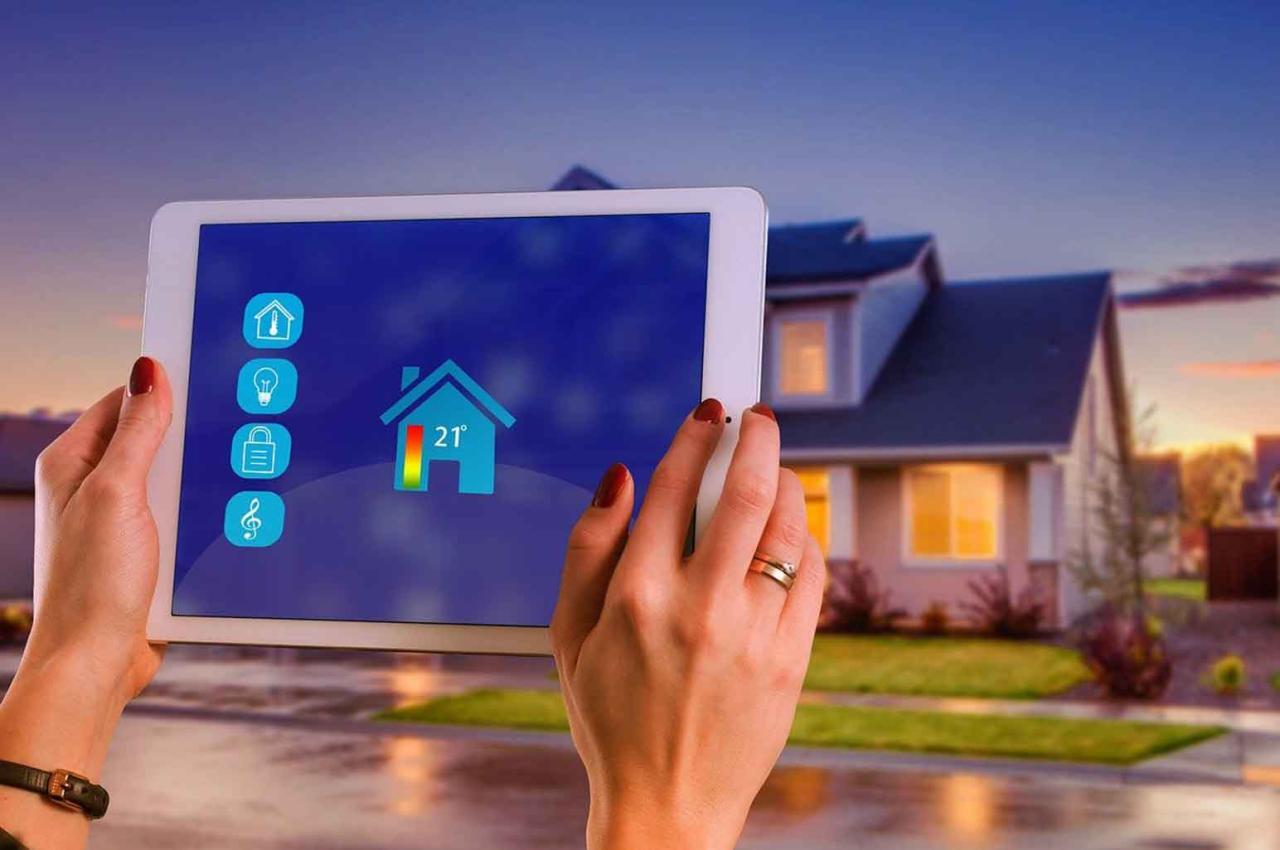
Transforming your outdoor space into a sustainable haven involves careful consideration of landscaping practices. Eco-friendly landscaping prioritizes the environment, promoting biodiversity, minimizing water usage, and reducing reliance on harmful chemicals. This approach not only benefits the planet but also enhances the aesthetic appeal and overall health of your property.Sustainable landscaping goes beyond simply choosing pretty plants. It involves a holistic understanding of the local ecosystem and implementing strategies that respect natural processes.
By selecting native and drought-tolerant species, conserving water, and creating wildlife-friendly habitats, you can contribute to a healthier environment while enjoying a beautiful outdoor space.
Native and Drought-Tolerant Plant Choices
Selecting native and drought-tolerant plants is crucial for eco-friendly landscaping. These species are naturally adapted to the local climate, requiring less water and maintenance than non-native alternatives. Native plants support local biodiversity, providing food and shelter for native insects, birds, and other wildlife. Furthermore, their deep root systems help stabilize the soil and prevent erosion, reducing the need for irrigation.
Drought-tolerant plants are especially beneficial in arid or semi-arid regions, reducing water consumption significantly.
Sustainable Irrigation Techniques
Effective water management is vital for sustainable landscaping. Employing sustainable irrigation techniques minimizes water waste and promotes healthy plant growth. These methods include:
- Drip Irrigation: Drip irrigation systems deliver water directly to the roots of plants, minimizing evaporation and runoff. This targeted approach ensures efficient water use and prevents water loss to surrounding areas.
- Soaker Hoses: Soaker hoses slowly release water along the soil surface, allowing for deep penetration and reducing evaporation. These hoses are often more cost-effective than drip irrigation systems, and are ideal for established lawns or gardens where precise watering is not critical.
- Rainwater Harvesting: Collecting rainwater through rain barrels and cisterns is a cost-effective and sustainable way to provide water for landscaping. This reduces reliance on municipal water supplies and conserves precious resources.
Rain Barrels and Greywater Utilization
Rain barrels and greywater systems are effective tools for water conservation in landscaping. Rain barrels collect rainwater from rooftops, providing a readily available water source for irrigation. This reduces reliance on municipal water and significantly conserves water resources. Greywater, collected from sinks, showers, and laundry, can also be used for irrigation, further reducing water consumption.
- Rain Barrels: These systems are relatively inexpensive and easy to install, and offer a readily available, environmentally friendly source of water for gardens and lawns.
- Greywater Systems: Greywater systems collect water from household fixtures that isn’t contaminated with sewage and use it for non-potable uses, like irrigation. Proper treatment and filtration are crucial to ensure the safety and suitability of greywater for irrigation.
Reducing Water Consumption in Landscaping
Implementing strategies to reduce water consumption in landscaping is essential for long-term sustainability. This includes:
- Mulching: Applying a layer of mulch around plants helps retain moisture in the soil, reducing the need for frequent watering. Mulch also suppresses weeds, further minimizing water consumption.
- Efficient Irrigation Scheduling: Employing smart irrigation controllers and weather-based scheduling can significantly reduce water waste. These systems automatically adjust watering times based on rainfall and local weather conditions.
- Proper Plant Selection: Choose plants appropriate for the local climate and soil conditions. This selection ensures that the plants are able to thrive without excessive watering.
Creating Wildlife-Friendly Gardens
Designing wildlife-friendly gardens fosters biodiversity and supports local ecosystems. These gardens provide habitats for native pollinators, birds, and other wildlife, contributing to a healthier and more balanced ecosystem. Creating a welcoming environment for wildlife is crucial for the survival and prosperity of these creatures.
- Providing Food Sources: Planting native flowering plants and shrubs that attract pollinators and birds is essential for creating a wildlife-friendly garden. These plants provide nectar, pollen, and seeds, sustaining the life cycles of various species.
- Offering Shelter and Nesting Opportunities: Including elements such as rock piles, brush piles, and birdhouses can provide shelter and nesting opportunities for birds and other wildlife, contributing to their survival and reproduction.
Financial Considerations
Eco-friendly home renovations often involve upfront costs that may seem higher than traditional methods. However, careful planning and understanding of long-term savings can make these investments worthwhile. This section details the financial aspects, including upfront costs, long-term savings, potential incentives, and financing options.
Upfront Costs of Eco-Friendly Renovations
Eco-friendly materials and technologies, while often more sustainable, can sometimes carry a higher initial price tag compared to conventional options. Factors influencing these costs include the complexity of the project, the specific materials chosen, and the level of energy efficiency being targeted. For instance, installing solar panels or upgrading insulation typically requires a greater upfront investment than simply replacing windows.
Careful budgeting and realistic cost estimations are crucial for successful project execution.
Long-Term Savings Associated with Eco-Friendly Choices
Despite the initial investment, eco-friendly renovations often yield substantial long-term savings. Reduced energy consumption, lower water bills, and potential tax credits can offset the upfront costs over time. For example, energy-efficient windows and doors, coupled with upgraded insulation, can drastically reduce heating and cooling expenses. Properly planned and executed renovations can lead to a positive return on investment.
Government Incentives and Rebates for Sustainable Renovations
Many governments offer incentives and rebates to encourage sustainable renovations. These programs can significantly reduce the financial burden of eco-friendly projects. These incentives vary by region and may include tax credits, grants, or rebates for specific technologies or materials. Individuals should research local programs and eligibility requirements to maximize potential savings.
Financing Options for Eco-Friendly Projects
Several financing options are available to facilitate eco-friendly home renovations. Loans specifically designed for energy-efficient improvements, home equity lines of credit, and even partnerships with sustainable material suppliers are examples. Carefully researching financing options and comparing interest rates, terms, and conditions is crucial to ensure the best financial strategy for the project.
Estimated Costs and Potential Savings for Eco-Friendly Renovation Projects
| Renovation Project | Estimated Upfront Cost (USD) | Potential Annual Savings (USD) | Estimated ROI (Years) |
|---|---|---|---|
| Installing Energy-Efficient Windows | $2,500 – $5,000 | $200 – $400 | 5 – 10 |
| Upgrading Insulation | $1,000 – $3,000 | $150 – $350 | 3 – 7 |
| Installing Solar Panels | $10,000 – $25,000 | $500 – $1,500 | 5 – 10 |
| Implementing Rainwater Harvesting System | $1,500 – $4,000 | $100 – $300 | 5 – 10 |
Note: These figures are estimates and may vary based on specific location, project scope, and materials chosen. Professional consultations and detailed assessments are crucial for accurate cost estimations.
Final Wrap-Up
In conclusion, making eco-friendly home renovations is a multifaceted process that considers sustainable materials, energy efficiency, water conservation, waste reduction, and indoor air quality. The guide highlights the significant benefits of these choices, from reduced environmental impact to long-term cost savings and improved well-being. By incorporating these principles into your home renovation projects, you contribute to a more sustainable future and enhance your living environment.