Living sustainably in an apartment might seem challenging, but it’s entirely achievable! This guide provides practical strategies to reduce your environmental footprint, from conserving water and energy to making eco-conscious food and shopping choices. By implementing these simple yet impactful changes, you can create a greener and healthier living space while contributing to a more sustainable future.
Discover how to minimize your environmental impact within the confines of your apartment. From water conservation and energy efficiency to responsible waste management and sustainable shopping, this comprehensive guide equips you with actionable steps to go green in your everyday life.
Reducing Water Consumption

Conserving water is crucial for both environmental sustainability and personal responsibility, especially in apartment living where shared resources impact the community. Efficient water use directly contributes to lower utility bills and a more responsible approach to resource management. By implementing simple changes in daily routines and appliance choices, apartment dwellers can significantly reduce their water footprint.Implementing water-saving techniques in an apartment environment offers numerous advantages.
It reduces strain on the shared water supply, lowers utility costs, and promotes environmental consciousness. Furthermore, these techniques can create a more sustainable and responsible community.
Water-Efficient Appliances
Choosing water-efficient appliances is a significant step in reducing water consumption. Consider models with WaterSense certification, an EPA program that designates water-efficient products. This certification ensures that the appliances meet strict water-saving standards. For example, a WaterSense-certified washing machine can use significantly less water per load than a non-certified model. Look for appliances with low flow rates and features like automatic shut-off valves.
This approach can substantially reduce overall water consumption.
Water-Saving Fixtures
Replacing older fixtures with water-efficient models can dramatically reduce water usage. Low-flow showerheads are a straightforward way to achieve this. These showerheads deliver a powerful spray while using considerably less water than traditional showerheads. Similarly, low-flow toilets are a substantial improvement. These toilets use significantly less water per flush than older models, potentially reducing water consumption by 50% or more.
Water Leak Detection and Repair
Regular checks for leaks are essential for minimizing water waste. Even a small drip can waste gallons of water over time. Identifying and fixing leaks promptly is crucial.
- Inspect all visible water pipes and fixtures regularly. Look for any signs of dripping, running water, or unusual moisture around pipes. This proactive approach helps catch leaks early, preventing extensive water loss.
- Check for leaks under sinks and around toilets. These areas are common leak sources. Feel the surrounding surfaces for any signs of dampness or unusual warmth.
- Inspect the water meter regularly. If water usage suddenly increases without a corresponding change in your routine, it’s a strong indicator of a leak. A gradual increase over time also suggests a leak.
- Use a leak detection tool. These tools are available at hardware stores and can help identify hidden leaks.
Daily Water-Saving Habits
Simple adjustments to daily routines can make a significant difference in water conservation.
- Take shorter showers. Reducing shower duration from 10 minutes to 5 minutes can save a substantial amount of water. Use a timer or set a goal to shower faster.
- Turn off the water while brushing your teeth, shaving, or washing dishes. This simple practice can save water and promote a more mindful approach to water usage. Using a water-efficient faucet is also an option.
- Fix leaky faucets or toilets promptly. A dripping faucet or toilet can waste gallons of water over time. Address these issues as soon as possible.
Water Consumption Comparison
Different types of toilets and showerheads vary significantly in their water consumption.
| Appliance/Fixture | Water Consumption (gallons/flush/shower) |
|---|---|
| Standard Toilet | 3-7 gallons |
| Low-Flow Toilet | 1.6 gallons |
| Standard Showerhead | 2.5-7.5 gallons |
| Low-Flow Showerhead | 1.5-2.5 gallons |
Water-Saving Techniques and Impact
Implementing these techniques can lead to substantial water savings.
| Technique | Estimated Water Savings (%) |
|---|---|
| Taking shorter showers | 10-25% |
| Fixing a dripping faucet | 20-50% (depending on the severity) |
| Using low-flow showerheads | 50-75% |
| Using low-flow toilets | 50-70% |
| Turning off the water while brushing teeth | 10-15% |
Minimizing Energy Use
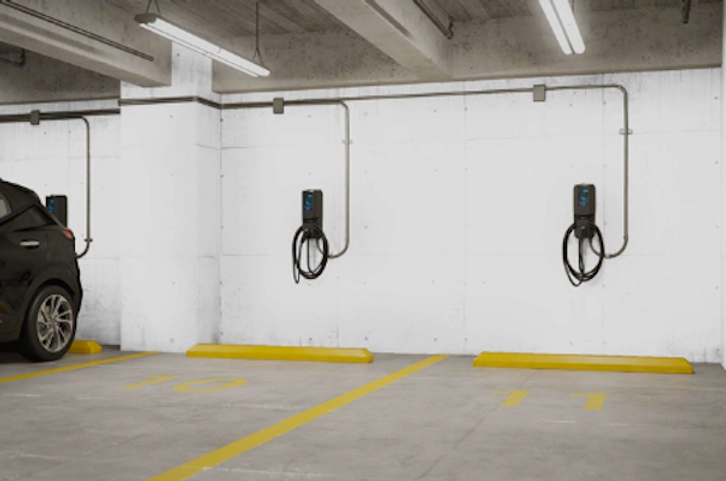
Reducing energy consumption in an apartment is crucial for both environmental sustainability and cost savings. Simple changes in daily habits and appliance choices can significantly lower your carbon footprint and your energy bills. By understanding energy-efficient practices, you can create a more eco-friendly and economical living space.
Reducing Electricity Consumption in Apartments
Various strategies can be implemented to reduce electricity use within an apartment. Choosing energy-efficient appliances and lighting, along with adopting mindful daily habits, are key components in achieving significant reductions. These measures not only benefit the environment but also contribute to long-term financial savings.
Energy-Efficient Appliances and Lighting
Energy-efficient appliances and lighting are designed to consume less electricity while performing the same function as their standard counterparts. This translates into lower energy bills and a smaller environmental impact. Investing in these models is a worthwhile long-term strategy. For example, a refrigerator with a high Energy Star rating can use significantly less electricity compared to an older model, saving you money and reducing your environmental footprint.
Likewise, LED lighting consumes substantially less energy than traditional incandescent bulbs, providing comparable brightness and longevity.
Energy-Saving Tips for Daily Activities
Implementing simple energy-saving habits in daily activities can make a substantial difference. Unplugging electronics when not in use, utilizing natural light whenever possible, and adjusting thermostat settings are examples of such practices. These actions, while seemingly small, contribute to a significant reduction in overall energy consumption.
- Unplugging Electronics: Many electronic devices continue to consume energy even when turned off. Unplugging chargers, televisions, and other electronics when not in use can significantly reduce energy waste. This simple step can lead to substantial savings over time.
- Utilizing Natural Light: Natural light is a free and readily available source of illumination. Opening blinds and curtains during the day can reduce the need for artificial lighting, saving energy and creating a more pleasant living environment.
- Adjusting Thermostat Settings: Adjusting your thermostat to a slightly higher temperature in the winter or a lower temperature in the summer can substantially reduce energy consumption without sacrificing comfort.
- Using Energy-Efficient Appliances: When replacing appliances, choose models with high Energy Star ratings. These appliances are designed to consume less energy while performing the same function as their standard counterparts.
Insulation and Windows
Insulation and windows play a critical role in maintaining a comfortable temperature within an apartment. Proper insulation prevents heat loss in the winter and heat gain in the summer, minimizing the need for energy-intensive heating and cooling. Efficient windows, with appropriate glazing, also contribute to better temperature regulation. The better the insulation and window quality, the less energy is required to maintain a comfortable interior temperature.
Comparing Energy Consumption of Different Light Bulbs and Appliances
The following table compares the energy consumption of different light bulbs and common appliances. This comparison demonstrates the significant difference in energy usage between energy-efficient and conventional options.
| Item | Type | Estimated Annual Energy Consumption (kWh) |
|---|---|---|
| Incandescent Light Bulb (60W) | Traditional | 100-200 |
| Compact Fluorescent Light (CFL) (13W) | Energy-Efficient | 20-40 |
| LED Light Bulb (8W) | Energy-Efficient | 10-20 |
| Refrigerator (standard) | Standard | 400-600 |
| Refrigerator (Energy Star) | Energy-Efficient | 200-400 |
Reading and Interpreting Energy Bills
Understanding your energy bills is crucial for identifying areas where you can improve energy efficiency. Energy bills typically provide details on your electricity consumption over a specific period, allowing you to analyze usage patterns. Identifying usage spikes or unusual trends can help you pinpoint areas needing attention. For instance, if your energy bill is consistently higher than expected, it might indicate a need to address insulation or appliance efficiency.
Sustainable Food Choices
Making sustainable food choices is crucial for reducing your environmental footprint, especially when living in an apartment. Choosing local and seasonal produce, minimizing food waste, and considering the impact of meat consumption are all achievable steps towards a more environmentally conscious lifestyle. These choices also often contribute to healthier eating habits and can be more budget-friendly.
Benefits of Buying Local and Seasonal Produce
Local and seasonal produce often requires less transportation, reducing the carbon emissions associated with food production and distribution. This also supports local farmers and the local economy. Choosing locally sourced produce often means fresher, tastier food, and you’ll often find better prices and higher quality produce. Additionally, the shorter distance food travels means less energy is expended in transport, lowering the overall environmental impact.
Sustainable Food Choices for Apartment Kitchens
Apartment living doesn’t preclude sustainable food choices. A variety of options are readily available for apartment kitchens. Buying in bulk for staples like rice, beans, and lentils can be cost-effective and reduce packaging waste. Growing herbs and small vegetables in containers on a windowsill can add freshness to meals and reduce the need for store-bought produce. Choosing plant-based meals more frequently is also a sustainable option.
Reducing Food Waste in an Apartment
Proper planning and preparation are key to minimizing food waste. Creating a meal plan for the week can help avoid overbuying ingredients and ensure that leftovers are consumed before they spoil. Using leftovers creatively in new dishes is a great way to reduce waste and save money. Freezing extra produce or cooked meals is another practical solution.
Composting Food Scraps
Many apartment complexes or cities have composting programs. Check with your local authorities for guidelines and regulations. If composting is not possible, consider using a food waste bin, which can be used for creating compost at home or in communal areas. Some apartment complexes have designated food waste collection areas.
Impact of Reducing Meat Consumption
Reducing meat consumption, particularly red meat, can significantly lessen your environmental impact. Animal agriculture is a substantial contributor to greenhouse gas emissions and land use change. Substituting plant-based proteins for meat in meals is a step towards a more sustainable diet. The environmental impact of meat consumption is substantial, especially in terms of greenhouse gas emissions and land use.
Environmental Impact of Different Food Choices
| Food Choice | Environmental Impact (Estimated) | Explanation |
|---|---|---|
| Local, seasonal fruits and vegetables | Low | Reduced transportation, fresher produce. |
| Imported, out-of-season fruits and vegetables | High | Long transportation distances, often involving air freight. |
| Meat (Beef, Pork) | High | Significant greenhouse gas emissions, land use requirements. |
| Plant-based proteins (Legumes, Tofu) | Low | Lower environmental impact compared to animal products. |
Note: The environmental impact of food choices can vary depending on specific production methods and geographic locations. The table provides a general overview.
Waste Management Strategies
Effective waste management is crucial for minimizing environmental impact in apartment living. Proper waste sorting and recycling not only reduces landfill burden but also conserves resources and promotes a more sustainable lifestyle. This section provides practical strategies for efficient waste management within an apartment setting.Apartment living often presents unique challenges in waste management. Space limitations and communal recycling systems necessitate careful planning and adherence to specific guidelines.
Understanding local regulations and adopting efficient sorting practices are key to maximizing recycling and minimizing landfill waste.
Effective Waste Sorting and Recycling in Apartments
Apartment dwellers can significantly contribute to waste reduction by implementing effective waste sorting procedures. Consistency in sorting is essential to ensure proper recycling and composting. Familiarizing yourself with the specific recyclable materials accepted in your building or local area is paramount. This often involves a combination of paper, plastic, glass, and metal. Be mindful of contamination – food residue or other non-recyclable materials can render entire batches unusable.
Strategies for Minimizing Landfill Waste
Minimizing landfill waste requires a multi-faceted approach. This includes maximizing recycling and composting efforts. Residents can take proactive steps to reduce the amount of waste generated in the first place. For instance, opting for reusable shopping bags, water bottles, and containers can dramatically decrease packaging waste. Careful planning of food purchases and minimizing food waste are also vital.
Apartment-Friendly Recycling and Composting Resources
Numerous resources are available to support effective apartment recycling and composting. Local municipalities often provide detailed information on accepted materials, sorting guidelines, and collection schedules. Online resources, community forums, and resident associations can be valuable sources of information and support. Many apartment complexes partner with local recycling centers or composting programs, making these services readily accessible. Specific apartment buildings might have designated bins for different types of recyclables.
Comparing Different Waste Disposal Methods in Apartments
Different waste disposal methods offer varying degrees of environmental impact. Apartment residents should be aware of the benefits and drawbacks of each option. For instance, curbside recycling programs can be efficient, but they might have restrictions on the types of materials accepted. Apartment-specific recycling programs, when available, often have more tailored collection procedures. Composting, while environmentally friendly, may require more space and careful management.
Guide to Identifying Recyclable Materials and Understanding Local Regulations
Identifying recyclable materials and understanding local regulations is crucial for effective waste management. Local authorities and apartment management provide guidelines on acceptable materials and specific procedures. Checking official websites, flyers, and notices can help in understanding the specifics of local regulations. A comprehensive guide to identifying recyclable materials, including detailed images or diagrams, can further assist residents.
Table Comparing Recycling and Waste Disposal Options
| Waste Disposal Method | Advantages | Disadvantages | Suitability for Apartments |
|---|---|---|---|
| Curbside Recycling | Convenient, often comprehensive | Potential contamination issues, limited material acceptance | Moderate |
| Apartment-Specific Recycling | Targeted material collection, reduced contamination | Requires adherence to specific procedures, may not be available in all locations | High |
| Composting | Environmentally beneficial, reduces landfill waste | May require dedicated space, needs careful management | Moderate to Low (depending on apartment layout) |
| Landfill Disposal | Simple, readily available | High environmental impact, resource depletion | Low |
Sustainable Shopping Habits
Adopting sustainable shopping habits is crucial for minimizing our environmental footprint. By consciously choosing our purchases, we can reduce waste, support ethical production, and contribute to a healthier planet. This involves a shift from impulsive buying to mindful consumption, prioritizing quality over quantity, and embracing the circular economy.
Reducing Consumption and Reusing Items
Reducing consumption involves evaluating our needs versus our wants. Prioritizing items that will last a long time and serve multiple purposes can significantly reduce waste. Reusing items through creative repurposing and repair extends their lifespan and avoids the need for new products. This practice not only reduces our environmental impact but also saves money.
Benefits of Buying Second-Hand or Refurbished Goods
Purchasing second-hand or refurbished items offers numerous benefits. It reduces the demand for new products, thereby decreasing the environmental impact of manufacturing. This often involves less energy and resource consumption, and the reuse of existing materials. Finding high-quality pre-owned items at a lower cost is also a financial advantage. Many retailers and online marketplaces specialize in used goods, providing easy access to a wide variety of items.
Choosing Products with Minimal Packaging
Minimizing packaging is an essential aspect of sustainable shopping. Products with minimal or recyclable packaging reduce waste sent to landfills. Consumers can actively seek out products with less packaging or opt for items that are packaged in environmentally friendly materials. Companies that prioritize sustainability often advertise their commitment to reducing packaging.
Eco-Friendly Cleaning Products and Their Advantages
Eco-friendly cleaning products are often formulated with natural ingredients and are free from harsh chemicals. They are typically biodegradable, posing less risk to the environment and human health. These products are gentler on surfaces, reducing the need for harsh cleaning agents that can damage the environment and our health. Examples include products made with vinegar, baking soda, and lemon juice.
Sustainable Brands for Home Goods and Appliances
Numerous brands are committed to sustainable practices in the production of home goods and appliances. These brands often prioritize recycled materials, energy-efficient designs, and ethical labor practices. Researching brands with a commitment to sustainability can guide consumers towards more environmentally conscious choices. Look for certifications and labels indicating eco-friendly production processes.
Environmental Impact Comparison of Shopping Choices
| Shopping Choice | Environmental Impact | Explanation |
|---|---|---|
| Buying new, packaged items | High | Manufacturing processes consume significant resources, generate pollution, and produce excessive waste. |
| Buying second-hand/refurbished | Low | Reduces the demand for new products, conserving resources and reducing waste. |
| Choosing products with minimal packaging | Medium to Low | Reduces the amount of packaging waste sent to landfills. |
| Selecting eco-friendly cleaning products | Low | Biodegradable ingredients and reduced reliance on harsh chemicals minimize environmental impact. |
| Purchasing from sustainable brands | Low | Often incorporate eco-friendly materials, ethical labor practices, and energy-efficient designs. |
Promoting Sustainable Transportation

Reducing the environmental impact of commuting is crucial for a greener lifestyle. Sustainable transportation choices significantly decrease our carbon footprint and contribute to a healthier environment. Choosing eco-friendly options for getting to work or school is an effective step towards a more sustainable future.Adopting sustainable transportation methods is not only beneficial for the environment but also can improve personal health and well-being.
Walking, cycling, and using public transport are all more active alternatives to driving, which can lead to increased physical activity and reduced stress levels. Furthermore, these methods often save money compared to using a private vehicle.
Reducing the Environmental Impact of Commuting
Transportation is a major contributor to greenhouse gas emissions. Choosing sustainable modes of transport can dramatically decrease this impact. Alternatives to driving, such as walking, cycling, or using public transport, reduce reliance on fossil fuels, thus lowering carbon emissions. In addition, choosing these options can lessen the congestion on roads, further reducing emissions and improving air quality.
Options for Using Public Transport
Public transport systems, such as buses, trains, and subways, offer efficient and cost-effective ways to travel. They often serve multiple destinations and can be used to reach locations that are not easily accessible by walking or cycling. Utilizing public transport reduces the number of vehicles on the road, decreasing traffic congestion and pollution. Researching local public transport routes and schedules can make this option a viable part of a sustainable commuting plan.
Options for Cycling
Cycling is an excellent option for short to medium-distance commutes. It offers a healthy and environmentally friendly way to travel, while also promoting physical fitness. Installing bicycle parking facilities near workplaces or schools can encourage more people to adopt cycling as a daily mode of transport. Additionally, the availability of bike lanes and designated bike paths can make cycling a safer and more convenient choice.
Tips for Walking or Using Electric Vehicles Within City Limits
Walking is an accessible and effective mode of transportation for short distances within the city. It’s beneficial for physical health and reduces traffic congestion. Electric vehicles (EVs) are a viable alternative to traditional gasoline-powered cars. Electric vehicles produce zero tailpipe emissions, making them a greener choice for urban transportation. Charging infrastructure availability and incentives for EV adoption are crucial factors to consider.
Benefits of Carpooling or Ride-Sharing
Carpooling and ride-sharing are cost-effective and environmentally friendly options for commuting. They reduce the number of vehicles on the road, lessening traffic congestion and emissions. Utilizing these options can also provide social opportunities for commuters. Many ride-sharing apps are available for connecting with others for carpools or rides.
Resources for Finding Local Transportation Options
Local transportation agencies and websites offer comprehensive information about public transport schedules, routes, and fares. Online platforms and mobile apps can provide real-time updates on public transport schedules, facilitating effective and timely commuting. City planning departments and local transit authorities provide resources on sustainable transportation options and infrastructure.
Comparison of Transportation Methods
| Transportation Method | Environmental Impact | Cost | Accessibility | Health Benefits |
|---|---|---|---|---|
| Driving (Private Vehicle) | High | Variable | High | Low |
| Public Transport | Medium | Low | High | Moderate |
| Cycling | Low | Low | Medium | High |
| Walking | Very Low | Low | High | High |
| Electric Vehicle (EV) | Low | Variable | Medium | Moderate |
Indoor Gardening and Greenery
Bringing nature indoors is a fantastic way to enhance the aesthetic appeal and well-being of your apartment. Indoor plants can transform a space, adding a touch of tranquility and visual interest. Furthermore, they offer numerous benefits, including improved air quality and a connection to the natural world.Indoor gardening can be remarkably rewarding, even with limited space. A thoughtfully chosen selection of plants and appropriate arrangement strategies can create a vibrant and thriving mini-garden within your apartment.
The following sections will explore the various aspects of indoor gardening, from selecting suitable plants to crafting a visually appealing and functional indoor garden.
Benefits of Indoor Plants
Indoor plants contribute to a healthier and more aesthetically pleasing living environment. They effectively purify the air, reducing exposure to harmful pollutants and improving overall indoor air quality. Furthermore, their presence fosters a sense of tranquility and connection to nature, which can positively impact mental well-being.
Low-Maintenance Indoor Plants for Apartments
Choosing low-maintenance plants is crucial for success in apartment living. These plants require less frequent watering and attention, making them ideal for busy schedules. Popular choices include snake plants, ZZ plants, and pothos. These resilient varieties thrive in various light conditions and can adapt to different environments within the apartment.
Vertical Gardening and Space-Saving Solutions
Vertical gardening is a highly effective technique for maximizing space in apartments. Utilizing wall-mounted planters, hanging baskets, or tiered shelving units allows you to cultivate a significant number of plants in a small footprint. This innovative approach optimizes space while showcasing a visually appealing and organized indoor garden.
Air Quality Improvement
Indoor plants play a vital role in improving air quality. They absorb pollutants and release oxygen, contributing to a healthier and more breathable living environment. This process is often referred to as air purification, and various studies have highlighted the positive impact of indoor plants on air quality. For instance, NASA research has identified certain plants that are particularly effective at removing common indoor pollutants.
Creating a Mini-Garden in an Apartment
Creating a mini-garden involves careful planning and selection of plants. Assess the available space, sunlight exposure, and desired aesthetic. Choose plants that complement your existing décor and consider the specific needs of each plant. Proper watering, lighting, and occasional pruning are crucial for maintaining a thriving indoor garden. Begin with a small collection of plants and gradually expand your collection as you gain experience.
Indoor Plant Care Guide
| Plant Name | Light Requirements | Watering Needs | Other Care |
|---|---|---|---|
| Snake Plant (Sansevieria trifasciata) | Low to bright, indirect light | Water sparingly, allow soil to dry out completely between waterings | Tolerates low humidity |
| ZZ Plant (Zamioculcas zamiifolia) | Low to bright, indirect light | Water infrequently, allow soil to dry out significantly | Tolerates low humidity and neglect |
| Pothos (Epipremnum aureum) | Bright, indirect light | Water when the top inch of soil is dry | Can be trained to grow vertically |
| Spider Plant (Chlorophytum comosum) | Bright, indirect light | Water when the top inch of soil is dry | Propagates easily through “spiderettes” |
| Peace Lily (Spathiphyllum) | Bright, indirect light | Water when the top inch of soil is dry | Prefers higher humidity |
Last Point
In conclusion, creating a greener apartment lifestyle is a journey of conscious choices and practical actions. By implementing the tips and strategies Artikeld in this guide, you can significantly reduce your environmental footprint while enhancing your well-being and contributing to a more sustainable future. Remember, every small step counts, and together, we can make a difference.