Embark on a transformative journey toward a simpler, more fulfilling life with our comprehensive guide to embracing a minimalist lifestyle. This exploration delves into the core principles of minimalism, offering practical steps and insightful strategies to declutter your home, mind, and life. We’ll explore the philosophical underpinnings of this lifestyle, contrasting it with asceticism, and examining its diverse manifestations across cultures and time periods.
From defining the essence of minimalism to navigating practical steps for decluttering and organizing, this guide provides a clear roadmap for cultivating a minimalist mindset. We’ll examine the psychological benefits, explore different approaches to minimalism across various aspects of life, and discuss how to sustain a minimalist lifestyle through life transitions and challenges.
Defining Minimalism
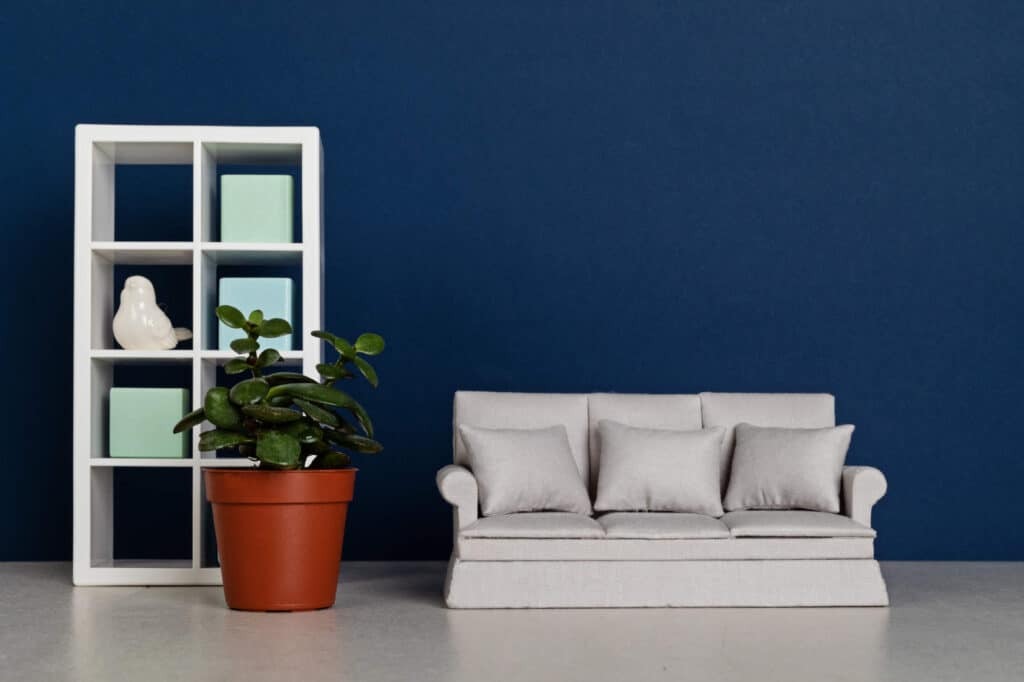
A minimalist lifestyle is not about deprivation, but rather a conscious choice to live with less. It prioritizes experiences and possessions that hold genuine value, reducing clutter and distractions to enhance focus and well-being. This intentional approach fosters a deeper appreciation for what truly matters.The core principles of minimalism revolve around practicality and intentionality. Minimalists carefully consider the necessity of each item and experience in their lives, seeking to eliminate anything that does not contribute positively to their goals or well-being.
This intentional selection process often leads to a simpler, more fulfilling existence.
Core Principles of Minimalism
Minimalism is not simply about owning fewer things; it’s about living more intentionally. This involves a careful evaluation of possessions, experiences, and commitments. Minimalists often prioritize experiences over material possessions, recognizing that memories and connections are more enduring than material objects.
- Conscious Consumption: Minimalists thoughtfully consider the need for an item before purchasing it. They seek to understand the long-term value and impact of the item before adding it to their lives. This mindful approach helps avoid impulse buys and accumulating unnecessary items.
- Decluttering and Organizing: Regular decluttering and organizing are integral parts of minimalism. This process helps to identify and remove items that no longer serve a purpose, creating a more peaceful and efficient living space. This often involves setting aside time to assess possessions and let go of what is no longer needed.
- Prioritizing Experiences: Minimalists often find more fulfillment in experiences than material possessions. This shift in focus leads to a richer and more meaningful life, focusing on personal growth and connection with others.
Minimalism vs. Asceticism
While both minimalism and asceticism involve a reduction in possessions, they differ significantly in their motivations. Minimalism emphasizes intentional choices and the pursuit of a fulfilling life, whereas asceticism often stems from a rejection of material comfort and a desire for spiritual purity. Minimalism is about mindful living, whereas asceticism can often be about self-denial.
Psychological Benefits
A minimalist lifestyle can have significant psychological benefits. By reducing clutter and distractions, minimalists often experience a sense of increased focus and clarity. This can lead to a reduction in stress and anxiety, fostering a greater sense of peace and well-being. The act of decluttering itself can be a therapeutic process, allowing for emotional release and a fresh start.
- Reduced Stress and Anxiety: A simpler life often leads to less stress and anxiety. The absence of clutter and the focus on essential items can foster a sense of calm and control.
- Increased Focus and Productivity: A minimalist environment can promote a more focused and productive lifestyle. The absence of distractions allows for greater concentration on tasks at hand.
- Enhanced Appreciation: Minimalism often leads to a deeper appreciation for what truly matters, both material possessions and experiences.
Minimalism Across Cultures and Time
Minimalist principles have been present across different cultures and historical periods. Ancient philosophies, such as Stoicism, emphasized living with less and focusing on inner peace. Even today, various cultural practices demonstrate a focus on essential items and experiences.
- Ancient Philosophies: Many ancient philosophies, including Stoicism, advocated for living with fewer material possessions to focus on inner peace and virtue.
- Traditional Cultures: Traditional cultures often prioritize community and shared resources, leading to a simpler lifestyle compared to modern consumerist societies.
- Modern Interpretations: Modern interpretations of minimalism reflect a desire for a more intentional and sustainable lifestyle, aligning with contemporary values.
Key Characteristics of Minimalism vs. Consumerism
| Characteristic | Minimalism | Consumerism | Description |
|---|---|---|---|
| Focus | Experiences, essentials, intentionality | Material possessions, status, instant gratification | Minimalism prioritizes experiences and essential items, while consumerism centers on acquiring material possessions and status symbols. |
| Values | Simplicity, intentionality, sustainability | Acquisition, growth, outward display | Minimalism values simplicity, intentionality, and sustainability, while consumerism often prioritizes acquisition, growth, and outward display. |
| Lifestyle | Conscious spending, mindful living | Impulsive purchases, constant acquisition | Minimalists practice conscious spending and mindful living, while consumerism often involves impulsive purchases and a continuous cycle of acquiring more items. |
| Impact | Reduced stress, increased focus, financial stability | Debt, environmental damage, decreased well-being | Minimalism often leads to reduced stress, increased focus, and financial stability, whereas consumerism can result in debt, environmental damage, and decreased well-being. |
Practical Steps to Embrace Minimalism
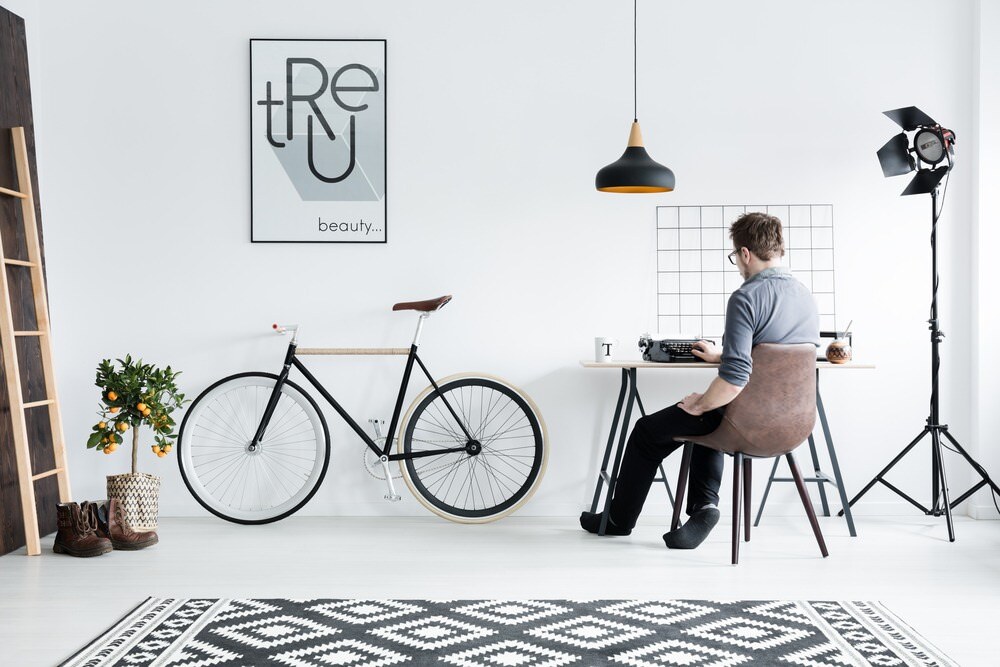
Embracing a minimalist lifestyle involves a thoughtful and structured approach to decluttering and organizing your life. This process isn’t about deprivation, but rather about intentional living, focusing on what truly matters and letting go of the rest. It can lead to a more peaceful, organized, and fulfilling life.The key to successful minimalism is a systematic approach, starting with a thorough decluttering process, followed by thoughtful organization and a consistent commitment to the principles.
This section will detail the practical steps involved, from assessing possessions to maintaining a minimalist routine.
Decluttering Your Home: A Step-by-Step Process
Effective decluttering involves a structured approach to systematically evaluate and remove items. A gradual and organized approach is crucial to prevent overwhelm and ensure lasting results. Begin by focusing on one area at a time, like a drawer, shelf, or room. This approach allows for focused attention and a sense of accomplishment at each stage.
- Assess and Categorize: Begin by setting aside a specific time to focus on decluttering. Sort items into categories such as keep, donate, sell, repair, or discard. This initial categorization will guide your decisions.
- The “One In, One Out” Rule: For every new item you bring into your home, commit to removing an equivalent item. This ensures your belongings don’t continue to accumulate.
- The “Four-Week Rule”: If you haven’t used an item in four weeks, consider its necessity. If it hasn’t been used, it’s likely not essential.
- The “Feel” Test: Ask yourself how each item makes you feel. Does it bring joy or anxiety? Items that evoke a negative emotion should be re-evaluated for their necessity.
Assessing Possessions and Identifying Items to Discard, Donate, or Repurpose
Evaluating your possessions involves more than simply discarding items. It’s about assessing their value and potential for repurposing. A thoughtful approach allows you to retain items that genuinely serve a purpose while releasing those that do not.
- Sentimental Value vs. Practical Use: Carefully consider items with sentimental value. While memories are important, practicality should also be a factor. Ask if the item serves a purpose beyond its sentimental value. If not, consider alternatives like keeping photos or creating a memory book.
- Donation or Resale Options: Consider the condition of items suitable for donation or resale. Repairing items that can be salvaged before discarding them is a cost-effective and sustainable option. Repurposing is a great way to make use of items that are no longer needed.
- Discarding Items: Discard items that are broken, damaged beyond repair, or have no potential for repurposing or donation.
Organizing and Storing Remaining Belongings
Effective organization maximizes space and minimizes clutter. This ensures that your belongings are readily accessible and aesthetically pleasing.
- Storage Solutions: Utilize storage solutions that maximize space, such as stackable containers, vertical shelving, and drawer dividers. These solutions will keep items organized and prevent them from taking up unnecessary space.
- Clear Containers: Using clear containers helps you easily identify the contents, reducing the need to rummage through items. This will save time and promote a more organized environment.
- Space-Saving Techniques: Utilize vertical space for storage, opt for multi-functional furniture, and utilize wall-mounted shelves to maximize available space. These techniques are crucial for optimizing your space.
Minimalist Storage Solutions
Minimalist storage solutions focus on functionality and aesthetics. They prioritize the efficient use of space without compromising style.
- Modular Furniture: Opt for modular furniture that can adapt to changing needs. This will minimize the number of individual pieces you need and maximize space efficiency.
- Vertical Storage: Utilize vertical space with shelves, stackable containers, and wall-mounted organizers. This technique effectively increases storage capacity without adding more furniture.
- Clear Containers: Use clear containers for storage. This enables quick identification of items, reducing the need for searching.
Applying Minimalist Principles to Daily Routines and Habits
Applying minimalist principles to daily routines and habits promotes a more intentional and focused lifestyle.
- Mindful Consumption: Before purchasing anything, ask yourself if it’s truly necessary and if it aligns with your values and needs. This practice helps to avoid impulsive purchases and accumulation of unnecessary items.
- Digital Decluttering: Just as you declutter physical space, declutter your digital space. Unsubscribe from unwanted emails, delete unused apps, and organize your digital files. This contributes to a less overwhelming and more efficient digital life.
- Prioritizing Experiences over Possessions: Focus on experiences over possessions. This could involve traveling, attending events, or engaging in hobbies. These experiences often bring lasting value and create memories.
Decluttering Methods Efficiency Ranking
| Method | Efficiency | Ease | Description |
|---|---|---|---|
| “One in, One out” | High | Medium | For every new item, remove an old one. |
| Four-Week Rule | Medium | Low | Discard items not used in four weeks. |
| Feel Test | High | Low | Assess how each item makes you feel. |
| Categorization | Medium | High | Sort items into categories (keep, donate, discard). |
Minimalist Mindset and Habits

Embracing a minimalist lifestyle extends beyond simply decluttering your space. It profoundly impacts your mindset and daily habits, shaping a more intentional and fulfilling life. A core tenet of minimalism involves understanding that less can truly mean more, not just in terms of possessions but also in terms of time, energy, and overall well-being. This mindful approach necessitates a shift in perspective, emphasizing experiences over material goods and cultivating a deeper appreciation for what truly matters.A minimalist mindset prioritizes intentionality in all aspects of life, from purchases to daily routines.
This intentional approach promotes a greater sense of purpose and satisfaction. It encourages a focus on experiences and personal growth, rather than simply accumulating possessions. This intentional living, in turn, fosters a greater sense of peace and control over one’s life.
Mindful Consumption and Purchasing Decisions
Mindful consumption and purchasing decisions are crucial components of a successful minimalist lifestyle. This involves critically evaluating the need for a product before making a purchase. Instead of impulsive buying, consider the item’s long-term value and whether it aligns with your current needs and goals. Asking yourself whether an item truly adds value to your life, or if it’s simply filling a void, is a key step.
Consider the environmental impact of the product and its source. This awareness extends beyond personal gain and encompasses broader ethical considerations.
Intentionality in Creating a Minimalist Lifestyle
Intentionality plays a pivotal role in establishing and maintaining a minimalist lifestyle. It’s not merely about reducing possessions but about actively choosing what you want to bring into your life. This requires a clear understanding of your values and priorities. By consciously selecting experiences and possessions that resonate with your core values, you create a lifestyle that genuinely supports your well-being and goals.
This intentionality fosters a deeper connection to yourself and the world around you.
Realistic Goals and Expectations
Setting realistic goals and expectations is essential for sustainable minimalism. Minimalism is not about deprivation, but about conscious choices. It’s about finding a balance between wanting less and enjoying what you have. Gradually reducing possessions and adopting mindful consumption habits is more sustainable than abrupt, drastic changes. Start small, celebrate progress, and acknowledge that the journey is an ongoing process, not a destination.
A gradual approach is more likely to lead to long-term success.
Mindful Practices Supporting Minimalism
Mindful practices significantly support a minimalist lifestyle. Meditation, for example, helps cultivate awareness of thoughts and emotions, reducing impulsive urges to buy. Journaling can help identify patterns in consumption habits, allowing for more conscious choices. Mindful spending involves considering the long-term value and impact of a purchase, fostering a more conscious relationship with money. Taking time to appreciate the simple pleasures in life, like a quiet moment of contemplation or a walk in nature, is another key element.
Overcoming Emotional Attachments to Possessions
Emotional attachments to possessions can be a significant obstacle to minimalism. Identifying the emotional connection behind the attachment is crucial. Often, possessions are linked to memories, experiences, or a sense of self. Recognizing these connections without judgment allows for a more objective assessment of the item’s true value. By acknowledging the emotions associated with possessions, you can detach from the material object and focus on the underlying experiences and memories.
This emotional detachment is a significant step towards embracing a minimalist lifestyle.
Cultivating Gratitude and Appreciation
Cultivating gratitude and appreciation for what you have is a cornerstone of a minimalist mindset. Regularly acknowledging the positive aspects of your life, both material and non-material, helps shift your focus from what you lack to what you possess. This can be achieved through journaling, meditation, or simply taking a moment each day to reflect on the things you are grateful for.
Appreciation for the present moment fosters contentment and reduces the desire to acquire more possessions.
Common Obstacles to Minimalism and Strategies for Overcoming Them
- Fear of missing out (FOMO): Recognizing that FOMO often stems from social comparison and a desire for external validation. Focusing on your own values and experiences, and avoiding social media comparisons can help address this. Building genuine connections with people based on shared values and experiences can also reduce FOMO.
- Perfectionism: Minimalism is about intention, not perfection. Accepting that the journey is an ongoing process and celebrating small victories helps overcome perfectionist tendencies. Focusing on the benefits of minimalism rather than the perceived shortcomings of a less cluttered life is a valuable approach.
- Impulse purchases: Developing a mindful approach to shopping, creating a waiting period before purchasing, and understanding the difference between needs and wants are crucial. Creating a budget for purchases and avoiding impulse buys in the moment are key steps in overcoming this.
- Social pressure: Understanding that social pressure is often rooted in societal expectations, and not necessarily your personal values. Cultivating a strong sense of self-worth and focusing on what genuinely matters to you can help address this obstacle.
Minimalism in Specific Areas of Life
Embracing a minimalist lifestyle extends beyond abstract principles; it translates into tangible changes in various aspects of daily life. This section explores practical applications of minimalism in fashion, home décor, food, personal finance, and digital life. By strategically decluttering and simplifying these areas, individuals can cultivate a more intentional and fulfilling existence.
Minimalist Fashion and Clothing
A minimalist approach to fashion prioritizes quality over quantity. Instead of accumulating numerous garments, individuals focus on acquiring versatile pieces that can be mixed and matched. This often involves choosing classic styles and neutral colors that endure trends. Investing in high-quality, durable clothing reduces the need for frequent replacements. By considering the practicality and longevity of each purchase, a smaller, more effective wardrobe emerges.
This approach promotes sustainability and reduces textile waste.
Minimalist Home Décor and Design
Minimalist home décor emphasizes functionality and simplicity. The focus is on carefully selected, meaningful pieces that serve a purpose. This approach involves decluttering, reducing visual clutter, and choosing furniture and accessories that are both aesthetically pleasing and practical. Neutral color palettes, natural materials, and clean lines are often employed. The goal is to create a serene and uncluttered space that promotes relaxation and well-being.
Minimalist design promotes a sense of calm and spaciousness.
Minimalist Approaches to Food and Cooking
Minimalist principles in food and cooking revolve around mindful consumption and reducing food waste. This involves planning meals, using ingredients effectively, and reducing impulse purchases. The goal is to minimize the number of ingredients and recipes while maximizing the enjoyment of each dish. By focusing on seasonal produce and minimizing processed foods, a more wholesome and sustainable approach to nourishment is achieved.
This often involves cooking from scratch and understanding the origin and preparation of ingredients.
Minimalist Approaches to Personal Finance
Minimalist personal finance strategies focus on intentional spending and debt reduction. It encourages individuals to prioritize needs over wants and to track their expenses diligently. By understanding their financial habits, individuals can identify areas for saving and reduce unnecessary spending. This approach often involves budgeting, saving, and minimizing debt. By controlling expenses and focusing on essential needs, a more secure and stable financial future is cultivated.
Minimalist Approaches to Digital Life
A minimalist approach to digital life emphasizes organization and intentional use of technology. It involves decluttering digital spaces, reducing distractions, and prioritizing tasks. This often involves unsubscribing from unnecessary emails, deleting unused apps, and organizing files efficiently. The goal is to streamline digital interactions and minimize distractions, allowing for greater focus and productivity. A well-organized digital space promotes a more efficient and intentional approach to technology use.
Table: Applying Minimalist Principles to Daily Life
| Area of Life | Minimalist Principle | Actionable Step | Example |
|---|---|---|---|
| Fashion | Quality over Quantity | Invest in durable, versatile pieces. | Buy fewer, higher-quality items in neutral colors. |
| Home Décor | Functionality and Simplicity | Declutter and choose purposeful items. | Remove unnecessary items, focus on essential furniture. |
| Food | Mindful Consumption | Plan meals and use ingredients effectively. | Shop with a list, avoid impulse purchases. |
| Finance | Intentional Spending | Prioritize needs over wants and track expenses. | Create a budget, avoid unnecessary debt. |
| Digital Life | Organization and Intentional Use | Declutter digital spaces and prioritize tasks. | Unsubscribe from unnecessary emails, delete unused apps. |
Maintaining a Minimalist Lifestyle

Embracing a minimalist lifestyle is not a one-time event; it’s a continuous journey of self-discovery and adaptation. Maintaining this lifestyle requires conscious effort and a proactive approach to resisting the allure of consumerism and adapting to life’s inevitable changes. This section delves into strategies for sustained minimalism, highlighting practical methods and real-world examples.Sustaining a minimalist lifestyle necessitates a proactive approach to managing impulses and adjusting to life’s inevitable transitions.
This involves recognizing triggers, developing coping mechanisms, and consistently reevaluating one’s approach to material possessions.
Resisting the Urge to Accumulate
Effective strategies for resisting the urge to accumulate new possessions are crucial for maintaining a minimalist lifestyle. A key element is recognizing the root causes of this urge. Often, it stems from emotional needs, such as a desire for validation or a sense of security. By identifying these underlying emotions, individuals can address them more constructively.A strong foundation is built through mindful consumption.
Prioritize needs over wants, and only acquire items that genuinely enhance your life. Regular decluttering sessions and the practice of “the one-in, one-out” rule help maintain a balanced inventory. This principle ensures that for every new item brought into the home, an equivalent item is removed, maintaining a steady state.
Managing Impulsive Buying Behaviors
Impulsive buying can derail even the most well-intentioned minimalist. Recognizing and addressing these behaviors is essential. Strategies to manage impulsive buying include developing a shopping strategy. Creating a detailed shopping list before going to a store, or even an online shopping site, can prevent unplanned purchases. Setting a budget for specific categories of spending also plays a critical role.
This financial discipline helps to avoid overspending on non-essential items.Another useful strategy involves delayed gratification. Before making a purchase, take a moment to consider whether the item is truly necessary. A cooling-off period of a day or even a week can often reveal that the initial impulse was unnecessary. Journaling about your spending habits can be extremely helpful to recognize patterns and understand the triggers behind impulsive buying.
Adapting to Life Transitions
Life transitions, such as moving or starting a new relationship, often disrupt established routines and can tempt individuals to accumulate possessions again. To navigate these periods successfully, it’s essential to develop flexible approaches. When moving, practice mindful decluttering. Consider what you truly need in your new space and ruthlessly eliminate items that are no longer relevant.A new relationship may introduce new social expectations.
Maintain the core principles of minimalism, focusing on shared experiences rather than material possessions. Focus on creating memories and experiences together, rather than on acquiring items. This adjustment allows for a smooth transition while upholding the minimalist lifestyle.
Continuous Self-Reflection and Adjustment
Sustaining a minimalist lifestyle requires consistent self-reflection and adaptation. Regularly evaluate your possessions, and assess whether they align with your current values and needs. A minimalist lifestyle is not static; it evolves with you. Be open to adjustments and modifications as your circumstances change. It’s about continually reevaluating your relationship with material possessions.
Real-Life Stories of Success
Many individuals have successfully maintained a minimalist lifestyle. For instance, Sarah, a young professional, significantly reduced her possessions after experiencing financial stress. This forced her to prioritize experiences over material goods, leading to a more fulfilling life. Another example is Mark, a family man, who consciously reduced his consumption after witnessing the environmental impact of excessive consumerism.
This helped him create a more sustainable and mindful lifestyle for his family.
Common Triggers and Resistance Methods
| Common Triggers for Returning to Consumerism | Methods for Resisting Them |
|---|---|
| FOMO (Fear of Missing Out): Seeing others with desirable possessions | Focus on Experiences: Prioritize creating memories and experiences over material possessions. Join a club, take a class, or explore a new city. |
| Social Pressure: Feeling pressured to keep up with others | Set Boundaries: Establish clear boundaries around material possessions and social comparisons. Focus on your personal values and goals. |
| Boredom: Seeking new possessions to alleviate boredom | Engage in Hobbies: Explore new hobbies, learn a new skill, or engage in activities that stimulate the mind and body. |
| Financial Instability: Using purchases to cope with financial stress | Develop a Budget: Create a detailed budget to understand spending patterns and identify areas for improvement. Seek professional financial advice if needed. |
Resources and Inspiration
Embarking on a minimalist journey can be significantly enhanced by accessing valuable resources and inspiration. These resources provide guidance, motivation, and practical examples to navigate the process effectively and sustainably. Finding reliable information and engaging communities can foster a deeper understanding and a stronger commitment to the minimalist lifestyle.Discovering a supportive network and exploring various minimalist approaches is crucial for personalized success.
This section will Artikel key resources, including books, websites, and communities, as well as practical examples and comparisons to help you on your minimalist path.
Books and Articles
A wealth of literature provides insightful perspectives on minimalism. These resources offer diverse approaches, from philosophical explorations to practical strategies. Books and articles offer valuable frameworks and stories to inspire and motivate readers.
- The Life-Changing Magic of Tidying Up by Marie Kondo: This book provides a method for decluttering and organizing homes and lives, based on the KonMari method. It emphasizes connecting with items to determine their value.
- Essentialism: The Disciplined Pursuit of Less by Greg McKeown: This book explores the concept of essentialism, focusing on prioritizing what truly matters. It encourages a structured approach to decluttering not only possessions but also time and energy.
- Declutter Your Mind: How to Stop Worrying, Relieve Anxiety, and Live a More Peaceful Life by S.J. Scott: This book delves into the connection between mental clutter and physical clutter, offering practical techniques for clearing mental space to support a minimalist lifestyle.
- Articles from websites like The Minimalists, Apartment Therapy, and Lifehacker offer numerous practical tips and insights on various aspects of minimalism, including budgeting, decluttering, and sustainable living.
Influencers and Communities
Connecting with like-minded individuals can provide invaluable support and motivation. Online communities and influential figures dedicated to minimalism offer encouragement, share experiences, and foster a sense of belonging.
- The Minimalists: This influential duo promotes minimalism through their website, books, and social media presence, providing practical advice and inspiration.
- Numerous social media accounts, bloggers, and YouTubers dedicated to minimalism offer a diverse range of perspectives and experiences.
- Online forums and groups provide platforms for discussions, sharing tips, and connecting with other minimalists.
Minimalist Products and Services
A variety of products and services cater to minimalist needs. These options provide practical solutions for decluttering, organizing, and streamlining daily routines. They are often designed with simplicity and functionality in mind.
- Products: Minimalist furniture, storage solutions, and home décor often feature clean lines, neutral colors, and a focus on functionality.
- Services: Subscription boxes curated for minimalists, minimalist-friendly meal kit services, and decluttering consultants are also available.
Affordable Minimalist Alternatives
Finding affordable alternatives is vital for making minimalism accessible to everyone. It’s not about sacrificing quality but about finding value in different products and services. Creativity and resourcefulness can play a crucial role in reducing expenses while maintaining a minimalist lifestyle.
- Secondhand Stores: Thrift stores, consignment shops, and online marketplaces offer a wide selection of pre-owned items at lower prices.
- DIY Projects: Creating items from scratch or repurposing existing items can significantly reduce costs and create unique minimalist pieces.
- Borrowing and Sharing: Utilizing services that facilitate borrowing and sharing resources can reduce personal possessions and costs.
Inspiring Minimalist Spaces and Lifestyles
Minimalist spaces often feature open layouts, neutral colors, and carefully curated furnishings. These spaces exude a sense of calm and tranquility. Visual appeal and functionality are seamlessly integrated.
- Examples: Visual examples from websites, magazines, and social media accounts showcase minimalist spaces that balance aesthetics and functionality. The use of natural light, strategically placed plants, and artwork are often prominent features.
Comparison of Minimalist Resources
The table below provides a comparative analysis of various minimalist resources. This allows for a deeper understanding of their strengths and weaknesses, enabling a more informed decision-making process.
| Resource | Strengths | Weaknesses | Target Audience |
|---|---|---|---|
| The Minimalists | Extensive resources, practical advice, and supportive community | Might be overwhelming for beginners, not suitable for those needing personalized support | Individuals seeking a practical guide to minimalism |
| Marie Kondo Method | Focus on emotional connection, highly visual, and simple to understand | Can be time-consuming, might not address deeper philosophical aspects of minimalism | Individuals looking for a decluttering and organizing system |
| Essentialism | Emphasis on prioritizing what matters most, encourages mindful decision-making | Can be less practical in everyday application, needs a high level of self-awareness | Individuals seeking a more structured approach to decluttering and living |
| Thrift Stores | Affordable, sustainable, and diverse range of items | Requires more effort in finding specific items, potential for lower quality | Individuals looking for budget-friendly and environmentally conscious alternatives |
Last Point
In conclusion, embracing a minimalist lifestyle is not about deprivation, but rather about intentional living. This guide has equipped you with the knowledge and tools to make informed choices about your possessions, your habits, and your overall well-being. By focusing on intentionality, mindfulness, and a proactive approach to decluttering and organization, you can unlock a more peaceful, purposeful, and fulfilling existence.
Remember, minimalism is a journey, not a destination, and this guide serves as your compass along the way.