Choosing an eco-friendly vehicle is a significant step toward a sustainable future. This comprehensive guide explores the various types of eco-friendly vehicles, highlighting their environmental benefits and considering crucial factors such as budget, range, and local infrastructure. Understanding the diverse options available and the associated considerations is key to making an informed decision that aligns with personal needs and preferences.
From electric vehicles to hybrid models and fuel cell options, the selection process involves careful evaluation of performance characteristics, maintenance requirements, and future technological trends. This guide provides a structured approach, enabling you to navigate the complexities of eco-friendly vehicle selection and confidently choose the best option for your needs.
Introduction to Eco-Friendly Vehicles

Eco-friendly vehicles, also known as sustainable or green vehicles, are designed with a reduced environmental impact compared to traditional gasoline-powered cars. They prioritize minimizing emissions and resource consumption throughout their lifecycle, from manufacturing to disposal. This commitment to sustainability benefits both the planet and future generations.These vehicles employ various technologies to achieve lower environmental footprints, encompassing a range of options from innovative powertrains to improved manufacturing processes.
The shift towards eco-friendly vehicles reflects a growing global awareness of the need for responsible transportation solutions.
Categories of Eco-Friendly Vehicles
Different types of eco-friendly vehicles employ various technologies to reduce their environmental impact. These diverse approaches address different aspects of sustainability.
- Electric Vehicles (EVs): EVs utilize electric motors powered by batteries. They produce zero tailpipe emissions, contributing to cleaner air and reduced greenhouse gas emissions.
- Hybrid Electric Vehicles (HEVs): HEVs combine an internal combustion engine (ICE) with an electric motor. They improve fuel efficiency by recovering energy during braking and using the electric motor for acceleration.
- Plug-in Hybrid Electric Vehicles (PHEVs): PHEVs are similar to HEVs but allow for charging from external power sources, enabling extended electric-only driving ranges.
- Fuel Cell Vehicles (FCVs): FCVs use hydrogen fuel cells to generate electricity, producing only water vapor as a byproduct. This offers zero tailpipe emissions and potentially greater range compared to EVs.
Environmental Benefits of Eco-Friendly Vehicles
Choosing an eco-friendly vehicle offers significant environmental advantages. By reducing tailpipe emissions, these vehicles contribute to improved air quality, mitigating the effects of climate change. Their lower reliance on fossil fuels safeguards against resource depletion.
- Reduced Greenhouse Gas Emissions: Eco-friendly vehicles significantly decrease greenhouse gas emissions, contributing to global climate change mitigation efforts.
- Improved Air Quality: By reducing tailpipe emissions, these vehicles contribute to cleaner air, particularly in urban areas, improving public health.
- Reduced Dependence on Fossil Fuels: Shifting to eco-friendly vehicles lessens our dependence on finite fossil fuel resources, promoting energy security and sustainability.
- Lower Noise Pollution: Electric vehicles typically generate less noise than traditional gasoline-powered vehicles, contributing to a quieter environment.
Comparison of Eco-Friendly Vehicle Types
This table compares different types of eco-friendly vehicles based on their pros and cons:
| Vehicle Type | Pros | Cons |
|---|---|---|
| Electric Vehicles (EVs) | Zero tailpipe emissions, quieter operation, potentially lower running costs (depending on electricity rates), readily available charging infrastructure in some areas. | Limited range, longer charging times compared to refueling, higher initial purchase price, battery lifespan and recycling concerns. |
| Hybrid Electric Vehicles (HEVs) | Improved fuel efficiency compared to traditional vehicles, lower running costs than EVs in some cases, readily available in the market. | Not fully zero-emission, some environmental impact from fuel consumption, lower range compared to EVs. |
| Plug-in Hybrid Electric Vehicles (PHEVs) | Electric-only driving range, reduced fuel consumption, potentially lower running costs than EVs in some cases, lower emissions compared to HEVs. | Limited electric-only range, longer charging times than refueling, higher initial purchase price compared to HEVs. |
| Fuel Cell Vehicles (FCVs) | Zero tailpipe emissions, potentially greater range than EVs, quick refueling times, potentially lower running costs (depending on hydrogen prices). | Limited hydrogen refueling infrastructure, higher initial purchase price, potential safety concerns with hydrogen storage. |
Factors to Consider When Choosing an Eco-Friendly Vehicle
Selecting an eco-friendly vehicle involves careful consideration of various factors beyond just environmental impact. Practical aspects like budget, range, and maintenance play a crucial role in the overall ownership experience. Understanding local infrastructure and government incentives further refines the decision-making process. This section delves into these key considerations, providing a comprehensive guide to help potential buyers navigate the complexities of choosing an environmentally conscious vehicle.Evaluating eco-friendly vehicles requires a holistic approach.
A vehicle’s environmental benefits must be weighed against its practical utility, financial implications, and the buyer’s individual needs. This analysis considers various aspects to ensure a responsible and informed decision.
Budgetary Constraints
Budgetary limitations significantly impact the vehicle selection process. Eco-friendly vehicles often come with a higher initial price tag compared to conventional models. However, government incentives and subsidies can help mitigate these costs. Long-term operational costs, such as fuel efficiency, maintenance, and potential charging infrastructure expenses, also contribute to the overall financial burden.
Range and Charging Infrastructure
The driving range and availability of charging infrastructure are critical factors, especially for electric vehicles (EVs). Long-distance travel capabilities significantly influence the practicality of an EV. Adequate charging infrastructure in the user’s local area is essential for convenient and reliable charging. The range of an EV is directly impacted by factors like battery capacity, driving style, and environmental conditions.
Sufficient charging stations along typical routes are essential to avoid range anxiety.
Maintenance and Repair Considerations
Maintenance and repair costs are another essential aspect of ownership. Electric vehicles generally have fewer moving parts compared to internal combustion engine vehicles, potentially leading to lower maintenance costs. However, specialized maintenance for batteries and charging systems may be necessary. Understanding the availability of certified technicians and repair facilities for the chosen vehicle type is crucial.
Government Incentives and Subsidies
Government incentives and subsidies can significantly impact the affordability and appeal of eco-friendly vehicles. These incentives can take the form of tax credits, rebates, or direct financial assistance. Researching and understanding these programs is critical in reducing the overall cost of ownership. Incentives vary by region and often depend on factors like vehicle type and energy source.
Local Infrastructure and Accessibility
Local infrastructure, including charging stations for EVs and fueling stations for other eco-friendly options, directly influences the practicality of the vehicle choice. The availability and accessibility of these facilities directly impact the user experience. Assessing the charging network density and its coverage within the user’s commuting area is crucial. Adequate infrastructure ensures convenient charging and refueling, enhancing the vehicle’s usability.
Comparative Analysis of Factors
| Factor | Importance (High/Medium/Low) | Explanation |
|---|---|---|
| Budget | High | Initial price and long-term operational costs are crucial. |
| Range | Medium | Essential for long-distance travel, dependent on local infrastructure. |
| Maintenance | Medium | Lower maintenance is often expected but specialized expertise is needed. |
| Government Incentives | High | Significant impact on the overall cost of ownership. |
| Local Infrastructure | High | Availability of charging/fueling stations impacts practicality. |
Evaluating Different Eco-Friendly Vehicle Options
Assessing the diverse array of eco-friendly vehicles necessitates a thorough evaluation of their performance characteristics, technological underpinnings, and long-term operational costs. This process empowers informed decision-making, enabling consumers to select vehicles that align with their individual needs and environmental goals.
Performance Characteristics
Different eco-friendly vehicles exhibit varying performance characteristics, influencing the driving experience and suitability for specific needs. Acceleration and top speed, crucial performance metrics, vary considerably across different models. Electric vehicles (EVs), for example, often offer rapid acceleration due to the instant torque delivery of electric motors. Conversely, some hybrid vehicles, particularly those relying on smaller battery packs, might exhibit slightly slower acceleration compared to fully electric counterparts.
Top speed is also affected by factors such as motor power and battery capacity. A thorough understanding of these performance differences is vital when selecting an eco-friendly vehicle.
Technological Descriptions
Eco-friendly vehicles employ a spectrum of technologies, each impacting their performance, efficiency, and environmental footprint. Electric vehicles utilize electric motors powered by batteries, providing zero tailpipe emissions. Plug-in hybrid electric vehicles (PHEVs) combine an electric motor with a traditional internal combustion engine (ICE), allowing for both electric and gasoline power. Fuel cell electric vehicles (FCEVs) utilize hydrogen fuel cells to generate electricity, offering potentially longer ranges and faster refueling times compared to EVs.
The specific technology employed significantly impacts the vehicle’s capabilities and cost-effectiveness.
Long-Term Operational Costs
Evaluating the long-term operational costs of eco-friendly vehicles is critical for assessing their overall value proposition. Factors such as electricity costs, charging infrastructure availability, and maintenance expenses play significant roles. Electricity costs, depending on the region and energy mix, can vary substantially, affecting the overall running expenses of EVs. The availability of charging stations also influences the practicality of electric vehicle ownership, especially for longer journeys.
Maintenance costs for electric vehicles are generally lower than those for traditional gasoline vehicles, as they have fewer moving parts.
Comparative Analysis
A comprehensive comparison of eco-friendly vehicles is presented below, highlighting key characteristics:
| Vehicle Type | Range (miles) | Charging Time (hours) | Acceleration (0-60 mph) | Maintenance Costs |
|---|---|---|---|---|
| Electric Vehicle (EV) | 150-400+ | 4-8+ | 3-6 seconds | Low |
| Plug-in Hybrid Electric Vehicle (PHEV) | 20-60 | 2-4 | 4-7 seconds | Moderate |
| Fuel Cell Electric Vehicle (FCEV) | 300-400+ | 3-5 | 4-7 seconds | Moderate to High |
This table provides a concise overview, but specific figures can vary considerably based on the specific model and configuration. Further research into individual models is recommended to gain a deeper understanding of their precise specifications.
Maintenance and Repair Considerations
Choosing an eco-friendly vehicle involves more than just fuel efficiency; it also necessitates a careful evaluation of its maintenance and repair needs. Understanding the unique requirements and associated costs is crucial for long-term ownership satisfaction. This section delves into the specific maintenance procedures, repair service availability, and potential cost implications for various types of eco-friendly vehicles.The maintenance schedules and repair procedures for eco-friendly vehicles often differ from conventional vehicles.
This stems from the unique components and technologies employed in electric, hybrid, and fuel-cell vehicles. Factors like battery health, charging infrastructure, and specialized parts play a significant role in determining the cost and frequency of maintenance.
Unique Maintenance Requirements
Eco-friendly vehicles often require specialized maintenance procedures to ensure optimal performance and longevity. Battery health monitoring and management are paramount. Regular charging cycles and monitoring of charging parameters are vital to prevent degradation and ensure consistent performance. This includes regular checks for battery capacity, voltage, and temperature. Furthermore, electric motors and inverters need periodic inspection to maintain their efficiency and avoid potential issues.
Availability of Specialized Repair Services
The availability of qualified technicians and repair shops specializing in eco-friendly vehicle maintenance varies geographically. Some dealerships offer dedicated service departments equipped with the necessary tools and expertise to handle the specific requirements of these vehicles. Independent repair shops, too, are increasingly offering specialized services. However, the availability of such services can be limited in some areas, potentially increasing repair costs and time.
Cost of Maintenance and Repair
The cost of maintenance and repair for eco-friendly vehicles can vary significantly depending on the vehicle type, model, and the specific maintenance tasks required. Electric vehicles (EVs) typically have lower maintenance costs compared to internal combustion engine (ICE) vehicles, especially in terms of routine maintenance like oil changes. However, battery replacements can be substantial. Hybrid vehicles generally fall somewhere in between, with costs influenced by the frequency of hybrid system component maintenance.
The cost of specialized repairs, like battery replacements or electric motor repairs, can be higher than traditional repairs.
Maintenance Procedures for Different Eco-Friendly Vehicles
Understanding the specific maintenance needs of various eco-friendly vehicles is crucial for effective ownership. The following table Artikels typical maintenance procedures for electric, hybrid, and fuel cell vehicles:
| Vehicle Type | Maintenance Procedure |
|---|---|
| Electric Vehicle (EV) | Regular battery health checks, charging system inspections, and motor/inverter diagnostics are key. Component replacements, if needed, may be more expensive. |
| Hybrid Vehicle | Routine maintenance for both the electric and combustion engine components is necessary. Regular inspections of the hybrid system are important. Hybrid system component replacements can also be expensive. |
| Fuel Cell Vehicle | Fuel cell systems require specific maintenance, often involving regular checks for leaks and performance monitoring. Component replacements might be less frequent than in other types of eco-friendly vehicles, but replacements can still be substantial. |
Future Trends in Eco-Friendly Vehicle Technology

The future of eco-friendly vehicles is poised for significant advancements, driven by evolving technological capabilities and growing environmental concerns. These advancements are not just about improving efficiency; they are about fundamentally reshaping the automotive landscape, incorporating innovations that address current limitations and pave the way for a more sustainable future. The integration of advanced technologies promises to significantly reduce emissions and enhance overall performance.
Autonomous Driving Capabilities
Autonomous driving technologies are rapidly maturing, offering the potential for significant improvements in fuel efficiency and reducing traffic congestion. Fully autonomous vehicles can optimize routes, react to traffic conditions in real-time, and adjust driving styles for optimal energy consumption. This translates to reduced energy expenditure and minimized environmental impact. Further, autonomous vehicles can be programmed to prioritize eco-friendly driving practices, such as maintaining a consistent speed and avoiding unnecessary acceleration and braking.
Electric Vehicle Battery Technology
Continued advancements in battery technology are crucial for enhancing electric vehicle (EV) range and charging times. Solid-state batteries, for instance, hold the promise of higher energy density, longer lifespans, and faster charging capabilities. These advancements could significantly reduce range anxiety, making EVs a more viable option for long-distance travel. This will also stimulate wider adoption, as the practical limitations of EVs are progressively addressed.
Integration of Renewable Energy Sources
The integration of renewable energy sources, such as solar and wind power, into the charging infrastructure is another key development. This will enable a more sustainable and environmentally friendly energy supply for EVs. Moreover, vehicles themselves can incorporate renewable energy harvesting to reduce their dependence on the grid, further lowering their carbon footprint. For instance, solar panels integrated into the vehicle roof can charge the batteries during daylight hours.
Predicted Future Developments in Eco-Friendly Vehicle Technology
| Technology | Potential Advancement | Impact on Eco-friendliness | Example |
|---|---|---|---|
| Autonomous Driving | Improved route optimization, dynamic speed adjustments, and eco-driving protocols | Reduced fuel consumption, decreased emissions, and improved traffic flow | Self-driving taxis optimizing routes in real-time to minimize fuel consumption |
| Electric Vehicle Batteries | Solid-state batteries, enhanced charging infrastructure, and improved battery life | Extended range, faster charging times, and reduced reliance on fossil fuels | Solid-state battery-powered electric buses with significantly longer operational hours |
| Renewable Energy Integration | Solar panels integrated into vehicles, wind turbine-based charging stations, and grid-based renewable energy systems | Reduced reliance on fossil fuel-based electricity, and reduced carbon emissions | Electric cars with integrated solar panels that charge the battery while driving |
| Hydrogen Fuel Cells | Enhanced efficiency and reduced emissions in hydrogen fuel cell vehicles | Zero tailpipe emissions, potentially leading to a significant decrease in overall emissions | Hydrogen-powered delivery trucks in urban areas, minimizing pollution in congested areas |
Practical Tips for Choosing an Eco-Friendly Vehicle
Selecting an eco-friendly vehicle involves careful consideration of personal needs, market options, and long-term implications. This process requires a systematic approach to ensure a suitable choice aligns with individual preferences and environmental goals. A thorough evaluation of various factors can lead to a more informed decision.
Evaluating Personal Needs and Preferences
Understanding personal driving habits and lifestyle is crucial when choosing an eco-friendly vehicle. Consider factors like daily commute distance, typical passengers, and anticipated cargo needs. A shorter commute might render a fully electric vehicle (EV) less necessary than a longer one, as charging infrastructure may be a limitation in some areas. If frequent long-distance travel is anticipated, range anxiety with EVs becomes a critical factor to consider.
A hybrid vehicle might offer a better compromise in such situations.
Comparing Various Options
Thorough comparison of different eco-friendly vehicle options is essential. Factors like fuel efficiency, charging infrastructure accessibility (for EVs), maintenance costs, and vehicle resale value should be meticulously evaluated. Researching and comparing models from different manufacturers is crucial. Consider the availability of various models, features, and technologies in the chosen segment. The availability of charging stations for EVs plays a pivotal role in determining the vehicle’s practicality.
Evaluating Vehicle Specifications
Analyzing vehicle specifications is paramount. Consider factors like battery capacity (for EVs), fuel economy ratings (for hybrids and other options), and overall performance metrics. A higher battery capacity usually translates to longer driving ranges in EVs. Fuel efficiency ratings in hybrids are also a key consideration, along with engine size and power. The vehicle’s size and weight will also affect its performance and fuel efficiency.
Specific technical data sheets from manufacturers are essential for thorough evaluation.
Questions to Ask Before Purchasing
A comprehensive list of questions should be prepared before committing to a purchase. This process ensures all potential implications are addressed. This proactive approach helps to avoid post-purchase regrets.
- What are the typical maintenance costs for this model, and what are the projected long-term repair costs?
- What is the range of the vehicle, and how long does it take to charge or refuel? Is there sufficient charging infrastructure near my home and work?
- What are the vehicle’s safety ratings, and are there any specific safety features that align with my needs?
- What is the resale value of this vehicle, and what are the predicted depreciation rates?
- Are there any warranties or extended service plans available, and what are their associated costs and terms?
- What are the emission standards and certifications for the vehicle?
- Are there any government incentives or subsidies available for this specific vehicle model in my region?
- What are the potential environmental impacts of the vehicle’s manufacturing and disposal?
- How does the vehicle’s performance compare with its competitors in similar categories, considering both short-term and long-term costs and benefits?
Case Studies of Eco-Friendly Vehicles
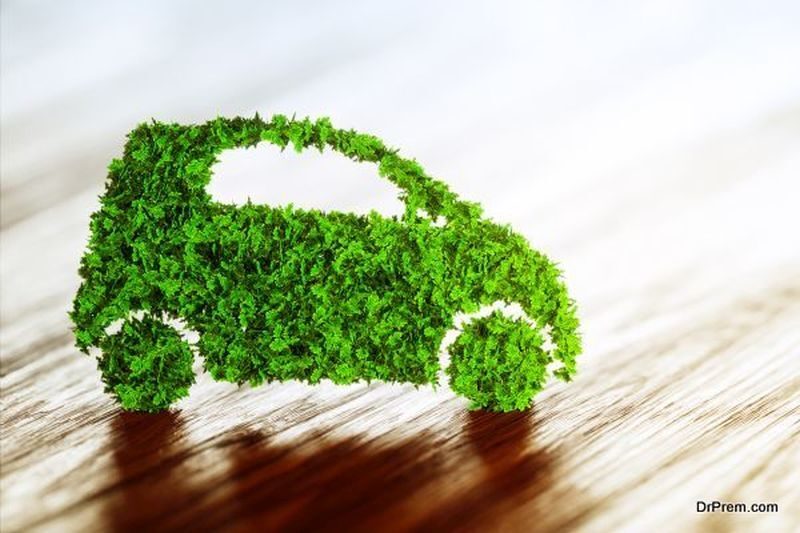
Real-world examples of eco-friendly vehicles showcase the tangible impact of these technologies on reducing emissions and promoting sustainable transportation. These vehicles demonstrate not only the potential for environmental benefits but also the advancements in engineering and design necessary for a more sustainable future. Exploring successful implementations provides valuable insights into the challenges and opportunities in the transition to a greener automotive landscape.
Examples of Electric Vehicles
Electric vehicles (EVs) are a prominent example of eco-friendly transportation. Their transition from niche applications to mainstream popularity is a testament to the evolving market demand for sustainable options. The Tesla Model S, for instance, has been a driving force in the EV market, demonstrating impressive performance and range capabilities. This has contributed significantly to the adoption of electric vehicles, inspiring confidence in their practicality and technological advancement.
Similarly, the Chevrolet Bolt EV exemplifies the evolution of compact electric vehicles, showcasing improved efficiency and accessibility.
Examples of Hybrid Vehicles
Hybrid vehicles, combining gasoline engines with electric motors, have been a significant step towards reducing emissions in the automotive sector. The Toyota Prius, a widely recognized hybrid model, has consistently demonstrated its efficiency in real-world driving conditions. Its long-standing presence in the market highlights the proven effectiveness of hybrid technology in reducing fuel consumption and emissions. The Honda Insight, another prominent hybrid, showcases the ongoing development and refinement of hybrid powertrains.
Examples of Fuel Cell Vehicles
Fuel cell vehicles (FCVs) offer a zero-emission alternative, utilizing hydrogen fuel cells to produce electricity. While still in the developmental stages compared to EVs and hybrids, several FCVs have been deployed for demonstration purposes. The Hyundai Nexo, for example, demonstrates the technological advancements in fuel cell technology, showcasing the potential for a truly emission-free driving experience. These vehicles, while limited in numbers, represent a significant step toward a future with a lower carbon footprint.
Impact on Emission Reduction
The widespread adoption of eco-friendly vehicles has demonstrably contributed to reduced emissions. By replacing traditional gasoline-powered vehicles with electric, hybrid, or fuel cell options, air quality is significantly improved in urban areas. Studies have shown a reduction in greenhouse gas emissions across various regions where these vehicles have gained popularity. These vehicles are crucial for achieving environmental goals and mitigating the impact of vehicular emissions.
Table: Case Studies of Successful Eco-Friendly Vehicle Implementations
| Vehicle Model | Technology | Impact on Emissions (estimated) | Key Features |
|---|---|---|---|
| Tesla Model S | Electric | Significant reduction in tailpipe emissions | Long range, high performance, advanced technology |
| Toyota Prius | Hybrid | Reduced fuel consumption, lower emissions | Proven reliability, affordability |
| Hyundai Nexo | Fuel Cell | Zero tailpipe emissions | Advanced hydrogen fuel cell technology |
| Chevrolet Bolt EV | Electric | Reduced tailpipe emissions | Compact size, affordable price |
Closure
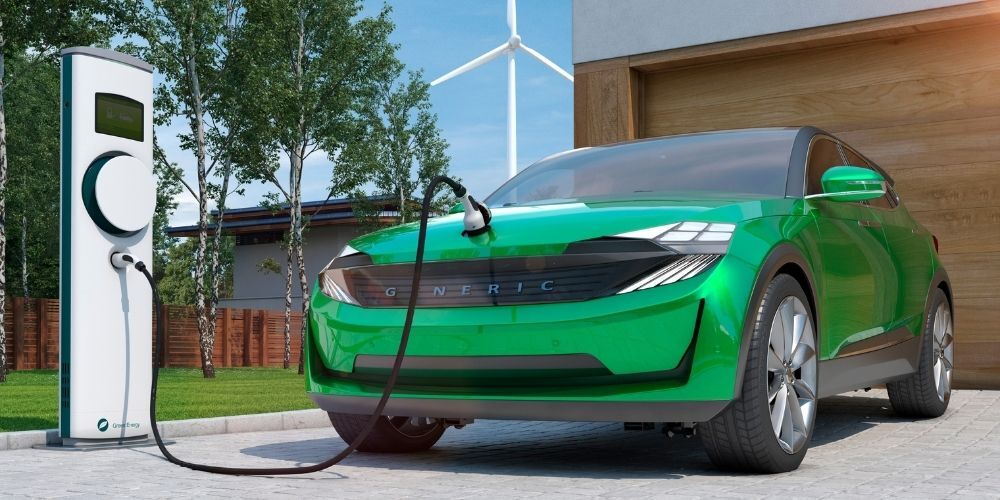
In conclusion, this guide has thoroughly examined the process of selecting an eco-friendly vehicle, covering everything from initial considerations to future advancements. By understanding the different types of vehicles, evaluating key factors, and comparing various models, you can make an informed decision. The future of eco-friendly vehicles is bright, and with the right information, you can play a role in shaping a greener tomorrow.
Remember to carefully consider personal needs, local conditions, and long-term implications when making your final choice.