Understanding your personal carbon footprint is crucial in today’s world. This guide provides a comprehensive framework for calculating your impact on the environment, covering key areas like transportation, housing, food, and consumer goods. By understanding your footprint, you can identify areas for improvement and make informed decisions towards a more sustainable lifestyle.
This detailed exploration delves into the specific factors influencing your carbon footprint. From calculating emissions from various transportation methods to analyzing the environmental impact of your dietary choices, we’ll equip you with the knowledge and tools needed to assess your individual contribution to climate change. We will also explore readily available resources and calculators to aid in this process.
Introduction to Personal Carbon Footprint

Your personal carbon footprint represents the total greenhouse gas emissions generated directly or indirectly by your lifestyle choices. It’s a measure of your environmental impact, reflecting the amount of carbon dioxide equivalent (CO2e) released into the atmosphere due to your actions. Understanding this footprint is crucial for assessing your contribution to climate change and identifying areas where you can reduce your environmental impact.Recognizing your personal carbon footprint allows you to make informed decisions about your consumption patterns and lifestyle.
By understanding the various factors contributing to your footprint, you can implement changes to mitigate your environmental impact and contribute to a more sustainable future.
Definition of Personal Carbon Footprint
A personal carbon footprint is the total amount of greenhouse gases (primarily carbon dioxide, CO2) emitted into the atmosphere as a result of the activities of a single person. This encompasses everything from the energy used in their home to the food they consume and the transportation they utilize. Quantifying this footprint allows for a deeper understanding of individual environmental impact and potential for improvement.
Significance of Understanding Your Carbon Footprint
Understanding your carbon footprint empowers you to make informed decisions regarding your lifestyle and consumption patterns. This knowledge allows for targeted adjustments to minimize your environmental impact. It provides a framework for personal accountability and promotes a more sustainable lifestyle.
Factors Contributing to a Personal Carbon Footprint
Numerous factors contribute to an individual’s carbon footprint. These include, but are not limited to, the types of food consumed, the mode of transportation utilized, the energy consumption of the home, and the products purchased. Each aspect of daily life has an associated carbon footprint, from the materials used to manufacture clothing to the emissions produced during its transportation and use.
Units of Measurement
Carbon footprints are typically measured in tonnes of carbon dioxide equivalent (CO2e). This unit accounts for the global warming potential of various greenhouse gases, allowing for a standardized comparison of different emissions. Using CO2e as a unit of measurement ensures a fair comparison across different gases.
Major Categories of Activities Contributing to Carbon Emissions
The following table provides an overview of major activity categories and their approximate CO2e emissions. Note that these are estimates and can vary depending on individual circumstances and behaviors.
| Activity Category | Approximate CO2e Emissions (tonnes/year) |
|---|---|
| Transportation | 2-10 |
| Housing | 4-8 |
| Food | 1-5 |
| Goods and Services | 2-6 |
| Travel | 0.5-3 |
| Waste | 0.5-2 |
These estimates represent averages and can be significantly influenced by specific choices and circumstances. For instance, someone who primarily uses public transport or bicycles will have a lower transportation footprint compared to someone who relies heavily on air travel or private vehicles. Similarly, dietary choices heavily impact the food category, with meat-heavy diets generally resulting in higher emissions.
Calculating Transportation Emissions
Transportation is a significant contributor to personal carbon footprints. Understanding how different modes of transport affect emissions is crucial for making informed choices and reducing your impact. This section details the various methods for estimating carbon emissions associated with different travel options.Estimating transportation emissions involves considering factors such as distance traveled, vehicle type, fuel efficiency, and the specific mode of transport.
Accurately calculating these emissions allows individuals to track their impact and make conscious decisions towards more sustainable travel choices.
Modes of Transportation
Different modes of transportation have varying levels of environmental impact. Factors such as fuel consumption, vehicle efficiency, and infrastructure contribute to these differences. This section provides a breakdown of common transportation methods and their associated emission levels.
- Car: Passenger vehicles, including cars and SUVs, are a major source of transportation emissions. These emissions depend heavily on factors such as vehicle efficiency (miles per gallon, or MPG), fuel type (petrol, diesel, electric), and driving habits (e.g., acceleration, braking).
- Bus: Buses, especially those using diesel fuel, produce considerable emissions. However, the emissions per passenger are typically lower than those of individual cars, especially for longer journeys. Bus routes are generally planned to maximize passenger efficiency.
- Train: Trains, particularly those using electricity, generally produce lower emissions per passenger than cars, especially for long-distance travel. The carbon footprint of trains is influenced by the electricity source powering them.
- Plane: Air travel has a substantial carbon footprint. Emissions per passenger are often high due to the significant fuel consumption of aircraft. The distance of the flight is a major factor in the emissions.
- Bike: Cycling generates no direct emissions. The carbon footprint of cycling is negligible, making it a very sustainable transport option.
- Walking: Walking, like cycling, produces zero direct emissions. It is the most sustainable mode of transport, and its carbon footprint is minimal.
Emission Calculation Formulas
The formulas below provide estimates for carbon emissions from various transportation methods. These formulas use estimations and simplified models; actual emissions can vary.
- Car: Carbon emissions (kg CO 2e) = (Distance (km) / Vehicle MPG)
– Fuel CO 2e emissions factor (kg CO 2e/liter). Example: If a car travels 100 km with a MPG of 25, using gasoline with a CO2e factor of 2.3 kg/liter, emissions are roughly (100/25)
– 2.3 = 9.2 kg CO 2e. - Bus: Carbon emissions (kg CO 2e) = (Distance (km) / Passengers)
– Average CO 2e emissions per passenger (kg CO 2e/km). Example: A bus carrying 40 passengers over 100 km with an average emission per passenger of 0.1 kg CO 2e/km would result in roughly 100 / 40
– 0.1 = 0.25 kg CO 2e. - Train: Carbon emissions (kg CO 2e) = Distance (km)
– Average CO 2e emissions per passenger per km (kg CO 2e/km). Example: If a train travels 500 km with an average emission of 0.05 kg CO 2e/km per passenger, the emissions are approximately 500
– 0.05 = 25 kg CO 2e. - Plane: Carbon emissions (kg CO 2e) = Distance (km)
– Average CO 2e emissions per passenger per km (kg CO 2e/km). Example: A flight of 3000 km with an average emission of 0.25 kg CO 2e/km per passenger would generate roughly 3000
– 0.25 = 750 kg CO 2e.
Impact of Vehicle Efficiency and Fuel Type
Vehicle efficiency and fuel type significantly influence carbon emissions.
- Vehicle Efficiency: More fuel-efficient vehicles consume less fuel per unit of distance, directly translating to lower emissions. For instance, an electric vehicle produces far fewer emissions compared to a gas-powered vehicle traveling the same distance. High MPG vehicles are crucial for lowering emissions.
- Fuel Type: Different fuels have varying carbon footprints. Electric vehicles, powered by renewable energy sources, produce minimal tailpipe emissions. Sustainable fuels are important for reducing the impact of fossil fuels.
Comparison of Transportation Choices
The table below illustrates the estimated carbon footprint of various transportation options for a given distance (e.g., 100 km).
| Mode of Transport | Estimated CO2e Emissions (kg) |
|---|---|
| Car (gasoline, 25 MPG) | 9.2 |
| Bus (diesel) | 0.25 |
| Train (electric) | 2.5 |
| Plane | 750 |
| Bike | 0 |
| Walking | 0 |
Note: Values are estimates and can vary based on factors such as specific vehicle models, driving habits, and fuel type.
Calculating Housing Emissions
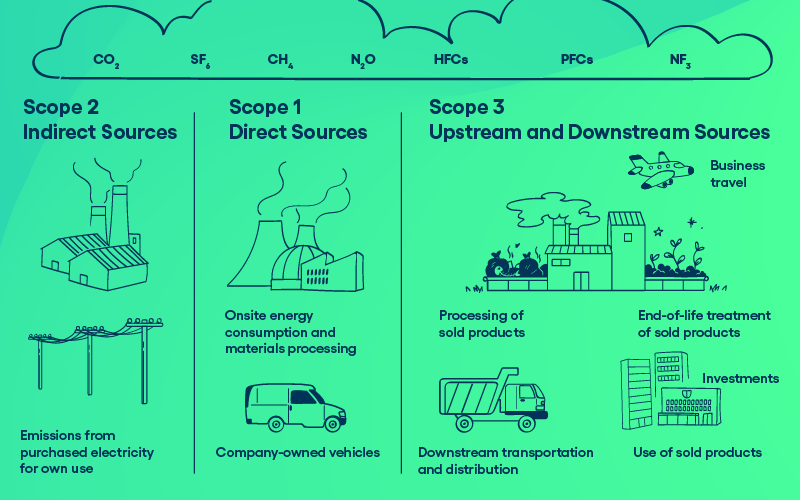
Understanding the environmental impact of your home is crucial for reducing your overall carbon footprint. Residential energy consumption, construction materials, and even the type of dwelling itself contribute significantly to greenhouse gas emissions. This section will delve into the specifics of calculating housing emissions, focusing on energy use, material choices, and the differences between various housing types.Home energy consumption is a substantial contributor to your carbon footprint.
This is primarily tied to heating and cooling requirements, and the energy sources used to meet these needs. Understanding the energy usage patterns of your home, and the potential for improvements, is key to reducing your emissions.
Energy Consumption from Heating and Cooling
Home heating and cooling are significant energy consumers, particularly in regions with extreme temperatures. The amount of energy used depends on factors such as the climate, insulation quality, and the efficiency of heating and cooling systems.
Estimating Energy Consumption from Utility Bills
Utility bills provide valuable insights into energy consumption. Analyzing your energy usage patterns over a year allows for a more accurate estimate of your home’s carbon footprint. Utility bills typically break down energy consumption by month, allowing for seasonal adjustments. By examining the total kilowatt-hours (kWh) used for heating and cooling over a year, you can calculate the corresponding emissions based on your local electricity generation mix.
Impact of Home Insulation and Energy-Efficient Appliances
Proper insulation significantly reduces energy loss, leading to lower heating and cooling needs. Energy-efficient appliances, such as refrigerators and air conditioners, also play a crucial role in minimizing energy consumption and associated emissions. Switching to LED lighting in your home can also make a noticeable difference.
Carbon Footprint of Home Construction Materials
The materials used in constructing a home have a considerable impact on its carbon footprint. Different building materials have varying embodied carbon—the carbon emissions associated with their production and transportation. Concrete, for instance, is a significant source of emissions, whereas wood, depending on its sourcing and processing, can be a more sustainable option.
Comparison of Carbon Footprints of Different Housing Types
| Housing Type | Approximate Carbon Footprint (kg CO2e per square meter per year) | Explanation |
|---|---|---|
| Single-family detached house | 1.5 – 2.5 | Higher energy consumption due to larger size and potentially less efficient insulation. |
| Apartment building | 1.0 – 1.8 | Lower energy consumption per square meter due to shared infrastructure and potential for better insulation. |
| Passive house | 0.5 – 1.0 | Highly energy-efficient design minimizes energy consumption and therefore carbon footprint. |
| Modular home | 1.2 – 2.0 | Can have varied carbon footprints depending on the materials used in construction and energy efficiency measures. |
Note: The values in the table are estimates and can vary significantly based on local climate, building design, and energy efficiency measures.
Calculating Food Emissions
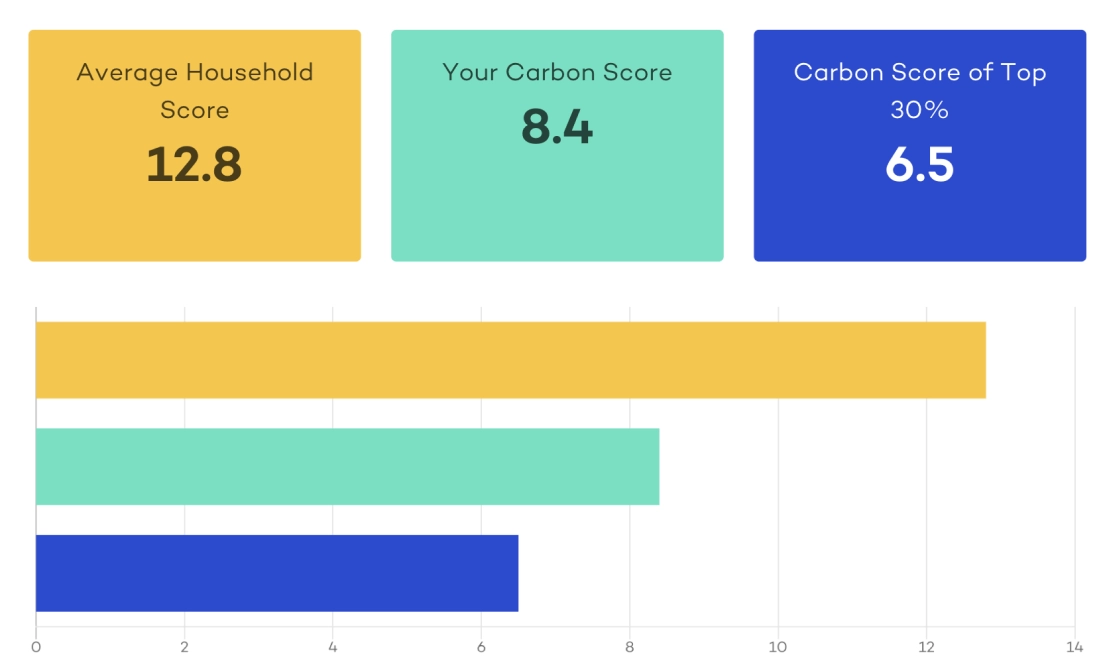
Food choices significantly impact our carbon footprint. The entire food system, from production to consumption, contributes to greenhouse gas emissions. Understanding the emissions associated with different foods and production methods is crucial for making informed choices and reducing our environmental impact.
Food Type and Carbon Footprint
Various food types have varying carbon footprints due to differences in production methods and resource use. Plant-based foods generally have lower footprints than animal-based foods. Factors such as land use, water consumption, and fertilizer application all influence the environmental impact.
Impact of Food Miles and Transportation
The distance food travels (food miles) plays a role in emissions. Transporting food over long distances increases the carbon footprint associated with the product. Refrigeration and packaging also contribute to emissions throughout the supply chain. Minimizing food miles and supporting local farmers can significantly reduce transportation-related emissions.
Environmental Impact of Production Methods
Animal agriculture, in particular, has a substantial environmental impact. Livestock production requires large amounts of land, water, and feed, resulting in significant greenhouse gas emissions. Plant-based diets, on the other hand, often have a lower environmental impact, particularly when sustainably sourced.
Carbon Footprint of Different Food Groups
Different food groups have varying carbon footprints. Generally, meat and dairy products have higher footprints compared to fruits, vegetables, and grains. The specific carbon footprint depends on various factors, including the production methods, transportation distances, and consumption patterns.
Carbon Footprint of Specific Foods and Preparation
| Food Item | Preparation Method | Estimated Carbon Footprint (kg CO2e per serving) |
|---|---|---|
| Beef | Grilled | 1.5-2.5 |
| Beef | Stewed | 1.2-2.0 |
| Chicken | Roasted | 0.8-1.2 |
| Chicken | Fried | 0.9-1.5 |
| Rice | Steamed | 0.3-0.5 |
| Rice | Fried | 0.4-0.6 |
| Potatoes | Baked | 0.2-0.4 |
| Potatoes | Fried | 0.3-0.5 |
| Milk | Whole | 0.7-1.0 |
| Milk | Skim | 0.6-0.9 |
Note: The values in the table are estimations and can vary based on specific production methods, transportation distances, and other factors.
Calculating Other Emissions
Understanding the impact of our daily choices beyond transportation, housing, and food is crucial for accurately assessing our personal carbon footprint. Consumer goods, electricity use, and waste generation all contribute significantly to overall emissions. This section will delve into these areas, highlighting the environmental consequences and methods for calculating these often-overlooked contributions.
Consumer Goods Impact
Consumer goods, encompassing everything from clothing to electronics, have a substantial environmental footprint. The production, transportation, and disposal of these items contribute significantly to greenhouse gas emissions. Choosing products with lower environmental impacts, opting for durable goods, and supporting sustainable manufacturing practices are crucial steps in minimizing this aspect of our carbon footprint.
Clothing Carbon Footprint
The fashion industry is a major contributor to greenhouse gas emissions. From the cultivation of cotton to the dyeing and transportation of textiles, each stage of clothing production and consumption generates carbon emissions. Choosing sustainable materials, buying fewer clothes, and extending the lifespan of garments are all vital strategies to reduce this impact. The production of synthetic fabrics, like polyester, often relies heavily on fossil fuels, resulting in higher emissions compared to natural fibers like organic cotton.
Electricity Usage and Sources
Electricity consumption is inextricably linked to carbon emissions, as the generation methods vary considerably. Power plants fueled by fossil fuels, such as coal and natural gas, release significant amounts of greenhouse gases into the atmosphere. Renewable energy sources, like solar and wind, have a significantly lower carbon footprint. Understanding the electricity mix in your region is crucial for assessing the carbon intensity of your energy use.
Choosing energy-efficient appliances and promoting renewable energy options are key to mitigating this aspect of your footprint.
Waste Generation and Disposal
Waste generation and disposal are often overlooked contributors to the carbon footprint. The production of packaging materials, the energy used in waste processing, and the release of methane from landfills all contribute to emissions. Minimizing waste through conscious consumption, recycling, and composting are essential steps in reducing this component of our footprint. Landfill decomposition releases methane, a potent greenhouse gas, highlighting the importance of waste reduction and proper disposal methods.
Consumer Product Carbon Footprint Table
| Product Category | Approximate Carbon Footprint (kg CO2e per unit) | Notes |
|---|---|---|
| Clothing (synthetic) | 10-50 | Highly variable depending on material, production processes, and transportation distances. |
| Clothing (organic cotton) | 5-20 | Generally lower than conventional cotton due to reduced pesticide use and more sustainable farming practices. |
| Electronics (smartphone) | 100-300 | Significant emissions throughout the entire lifecycle, from manufacturing to disposal. |
| Food Packaging (plastic) | 1-5 | Dependent on the type and amount of plastic used. |
| Food Packaging (cardboard) | 0.5-2 | Generally lower than plastic due to lower energy consumption in production. |
Note: Values in the table are approximate and can vary significantly depending on the specific product and its production methods.
Tools and Resources for Calculation
Accurately determining your personal carbon footprint requires reliable tools and resources. This section will guide you through a selection of reputable online calculators and provide insights into their effective use, highlighting their strengths and limitations. Understanding these aspects will empower you to make informed decisions and track your progress in reducing your environmental impact.
Reputable Online Carbon Footprint Calculators
Various online tools offer personalized carbon footprint assessments. Choosing a calculator with a solid foundation in scientific methodology and a comprehensive dataset is crucial. Look for calculators that incorporate a wide range of activities, allowing for a detailed analysis.
- The EPA’s Greenhouse Gas Equivalencies Calculator: This tool is a valuable resource for individuals and organizations seeking to estimate their carbon footprint. It provides detailed calculations based on user-provided data, enabling a comprehensive overview of emissions.
- CoolClimate Network: This calculator provides a detailed breakdown of emissions from various life aspects, from transportation and housing to food and goods. It offers insights into the environmental impact of different choices, allowing users to make informed decisions.
- MyCarbonFootprint: This calculator offers a user-friendly interface with various features, including specific data collection for various activities. It’s designed for personalized carbon footprint assessments, providing users with detailed reports and insights into their environmental impact.
Using Carbon Footprint Calculators Effectively
Utilizing online carbon footprint calculators effectively requires careful input and thoughtful consideration of the data. Understanding the methodology behind the calculations can improve the accuracy of the results.
- Accurate Data Entry: Provide accurate and complete data. Inaccurate data will lead to inaccurate results. Be thorough in assessing your daily activities and consumption patterns. For instance, accurately record the distances you travel, the type of fuel your vehicles use, and the types of food you consume.
- Consider All Aspects of Your Life: The calculators often cover various aspects of daily life. Be mindful to include all significant contributors to your carbon footprint. For instance, consider your transportation, housing, diet, and purchasing habits.
- Understand the Methodology: Explore the methodology used by the specific calculator. Knowing the scientific principles behind the calculations will increase your understanding of the results.
- Regular Updates: Some calculators may offer updates to their data and methodologies. Regularly check for updates to ensure you’re using the most accurate and up-to-date information.
Examples of Specific Calculators and Functionalities
Different calculators offer varying functionalities and features. This section will provide examples of calculators and their capabilities.
- EPA Greenhouse Gas Equivalencies Calculator: This calculator allows users to input specific data, such as vehicle mileage and fuel type, to estimate transportation emissions. The output provides a total carbon footprint and a breakdown by activity.
- CoolClimate Network: This calculator often includes detailed data entry for food consumption, allowing users to select specific types of food and their quantities. It then estimates the carbon footprint associated with each food item, providing insights into the impact of different dietary choices.
Step-by-Step Guide for Using a Calculator
A step-by-step guide provides a structured approach to using online calculators effectively. This section will Artikel the general procedure for using a carbon footprint calculator.
- Select a Calculator: Choose a calculator based on your needs and the comprehensiveness of the data it requires.
- Provide Data: Input your data accurately and completely, covering all aspects of your lifestyle, including travel, housing, diet, and consumption habits.
- Analyze Results: Carefully examine the results, noting the breakdown of emissions by category. This will provide insights into where your greatest environmental impact lies.
- Identify Areas for Improvement: Identify specific areas where you can reduce your carbon footprint, based on the detailed breakdown provided by the calculator.
Strengths and Limitations of Different Calculators
Online carbon footprint calculators have strengths and weaknesses. Understanding these aspects will help you select and utilize the most suitable tool.
| Calculator | Strengths | Limitations |
|---|---|---|
| EPA Greenhouse Gas Equivalencies Calculator | User-friendly interface, comprehensive data on various activities. | Limited in-depth analysis of specific activities. |
| CoolClimate Network | Detailed analysis of specific activities, strong emphasis on food. | May require more user input compared to other calculators. |
| MyCarbonFootprint | Personalized insights, detailed reports. | May not cover all aspects of carbon footprint in the same depth as others. |
Reducing Your Personal Carbon Footprint
Reducing your personal carbon footprint is a crucial step toward a more sustainable future. By understanding the impact of our daily choices and implementing changes, we can significantly lower our environmental impact. This section provides actionable strategies and examples to help you reduce emissions across various aspects of your life.Making conscious choices in areas like transportation, housing, and food can yield substantial reductions in your overall carbon footprint.
These changes don’t have to be drastic; small, consistent adjustments can add up to a considerable impact over time.
Transportation Strategies for Emission Reduction
Understanding your transportation habits and identifying areas for improvement is key to reducing your carbon footprint. Consider incorporating sustainable alternatives to conventional modes of transport.
- Public Transportation: Utilizing public transportation whenever possible, such as buses, trains, or subways, significantly reduces individual vehicle emissions. For example, a daily commute via public transport instead of a car can reduce your carbon footprint by several hundred kilograms of CO2 per year, depending on the distance and frequency of travel.
- Cycling and Walking: Short trips are ideal candidates for cycling or walking. These methods not only reduce emissions but also improve physical health. Consider incorporating short commutes or errands by bicycle to reduce car trips and their associated emissions. Replacing even a few car trips per week with cycling or walking can result in substantial reductions.
- Electric Vehicles (EVs): Electric vehicles produce zero tailpipe emissions during operation, making them a more sustainable alternative to traditional gasoline vehicles. However, the manufacturing process of EV components and the energy source for charging still contribute to emissions, but over the vehicle’s life cycle, EVs often show a lower carbon footprint compared to conventional vehicles.
- Carpooling and Ridesharing: Sharing rides with colleagues or friends for commutes or errands can drastically reduce the number of vehicles on the road, lessening the overall emissions. This is particularly effective for longer distances, where the cost-effectiveness of a shared ride is more significant.
Housing Strategies for Emission Reduction
Sustainable housing practices play a vital role in minimizing your environmental impact. Improving energy efficiency and adopting eco-friendly building materials are crucial steps.
- Energy Efficiency Improvements: Investing in energy-efficient appliances and upgrading insulation in your home can substantially lower your energy consumption. Switching to LED lighting, using energy-efficient appliances, and sealing air leaks around windows and doors are all practical ways to reduce energy use and associated emissions.
- Sustainable Building Materials: Opting for building materials made from recycled or renewable resources can significantly reduce the environmental impact of construction and renovation. Using reclaimed wood or bamboo instead of newly harvested timber is one example.
- Renewable Energy Sources: Switching to renewable energy sources like solar panels or wind turbines can dramatically reduce your reliance on fossil fuels for electricity generation. Installing solar panels can reduce your carbon footprint by the amount of energy they generate over time.
- Water Conservation: Implementing water-saving measures, such as low-flow showerheads and faucets, can reduce the energy needed for water heating and treatment, contributing to a lower overall carbon footprint.
Food Strategies for Emission Reduction
Dietary choices significantly impact your carbon footprint. Adopting a more plant-based diet and reducing food waste are key strategies.
- Plant-Based Diets: Plant-based diets generally have a lower carbon footprint than diets rich in animal products. Reducing meat consumption, particularly red meat, can make a noticeable difference in your emissions. Choosing plant-based protein sources like legumes and tofu is an effective way to reduce emissions associated with animal agriculture.
- Reducing Food Waste: Minimizing food waste is critical for reducing emissions. Planning meals, storing food properly, and utilizing leftovers can significantly decrease food waste and its associated emissions. Using leftovers creatively and avoiding excessive food purchasing are examples.
- Local and Seasonal Produce: Purchasing locally and seasonally grown produce reduces transportation emissions associated with food products. Supporting local farmers and choosing foods in season can reduce the distance food travels to reach your table.
- Sustainable Seafood Choices: Opting for sustainable seafood choices, like fish caught using sustainable fishing practices, can minimize the impact of fishing on marine ecosystems and reduce associated emissions.
Summary
In conclusion, calculating your personal carbon footprint empowers you to understand your environmental impact and take proactive steps towards a more sustainable lifestyle. By evaluating your choices in transportation, housing, food, and consumption, you can pinpoint areas for reduction and ultimately contribute to a healthier planet. This guide provides a practical roadmap to achieving this goal.