Phantom power, often overlooked, silently drains energy from electronic devices. This guide delves into the intricate world of phantom power consumption, exploring its sources, detection methods, and effective reduction strategies. Understanding this subtle energy drain is crucial for optimizing energy efficiency and minimizing environmental impact.
From identifying phantom power in everyday devices to implementing power-saving strategies for various applications, this comprehensive resource equips you with the knowledge to make a tangible difference in your energy consumption. Discover how to reduce your carbon footprint and save money on your energy bills by implementing these practical steps.
Introduction to Phantom Power Consumption
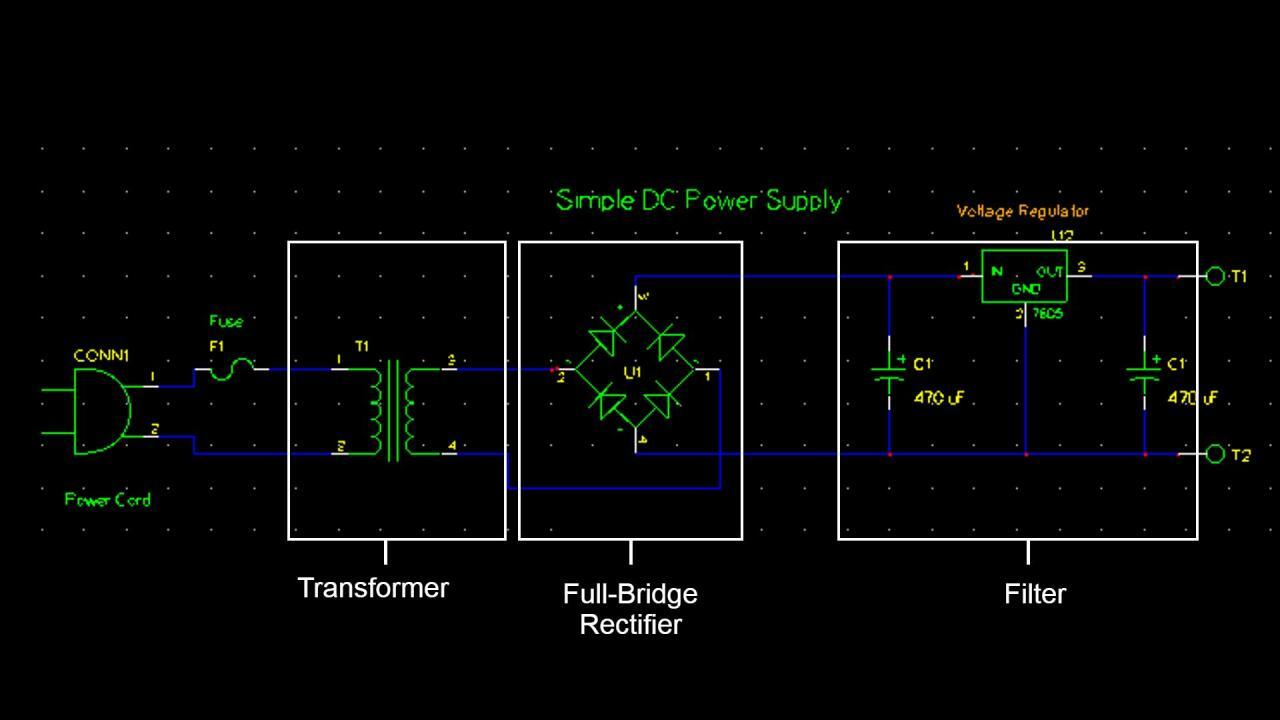
Phantom power consumption, a subtle yet significant energy drain, refers to the continuous power draw by electronic devices even when they are not actively processing data or performing a function. This persistent power consumption is often overlooked, but it can significantly impact energy efficiency in various applications, especially in scenarios with numerous devices operating concurrently. Understanding its sources and impact is crucial for optimizing energy use.Common sources of phantom power include standby modes, charging circuits, and components in the device’s power supply, even when the device is not in active use.
These power demands often arise from the need to maintain essential functions such as internal clock signals, memory retention, or monitoring circuits, ensuring readiness for instant operation. Electronic devices are increasingly designed with these features for convenience and functionality, but they contribute to phantom power consumption.
Common Sources of Phantom Power
Phantom power is often the result of various components and circuits within electronic devices. Standby modes are a primary contributor. These modes allow for rapid startup and immediate responsiveness. However, they also maintain a small but constant power draw to sustain essential functions. Charging circuits, even when not actively charging, consume power to monitor the battery level or regulate charging parameters.
Additionally, components within the power supply circuitry, such as regulators and filters, contribute to the overall phantom power consumption, even when the device is not actively utilizing its full capacity.
Examples of Devices Utilizing Phantom Power
Numerous electronic devices leverage phantom power for various purposes. Routers, for instance, maintain network connectivity and monitor traffic even in standby mode, requiring a constant power supply to maintain these functions. Printers also utilize phantom power to keep internal components powered, ready for rapid printing operations. Computer peripherals, such as keyboards and mice, consume power to maintain their internal functionality and readiness, despite not being actively used.
Furthermore, many modern electronic devices, like televisions and smartphones, consume power even when switched off.
Impact on Energy Efficiency
The cumulative impact of phantom power consumption across numerous devices can be substantial. In commercial settings, such as data centers, this seemingly small power drain from numerous devices can result in considerable energy waste. Homes with many electronic devices operating simultaneously can also experience a significant increase in energy bills due to phantom power. Proper understanding and implementation of energy-saving measures can significantly mitigate these energy costs.
Phantom Power Sources and Usage
| Phantom Power Source | Typical Usage in Devices |
|---|---|
| Standby Modes | Maintaining essential functions like network connectivity, internal clock signals, or memory retention. |
| Charging Circuits | Monitoring battery level, regulating charging parameters, and ensuring readiness for charging. |
| Power Supply Components | Maintaining internal functionality, even when the device is not actively utilizing its full capacity. |
Identifying Phantom Power Consumption in Devices

Identifying phantom power consumption is crucial for optimizing energy efficiency and reducing operational costs in electronic devices. Understanding the methods for detecting this subtle power drain enables proactive measures for reducing energy waste. This section will detail common techniques and tools used to pinpoint phantom power consumption.Identifying the source of phantom power consumption often requires specialized measurement tools and techniques.
Accurate measurement is essential to understand the magnitude of the issue and to target solutions effectively. The subsequent sections will Artikel various methodologies for detecting phantom power consumption in different scenarios.
Common Methods for Detection
Identifying phantom power consumption involves employing a variety of methods, from simple to sophisticated. Direct measurement techniques using specialized equipment are frequently employed. Indirect methods, while less precise, can provide a preliminary assessment of the problem.
- Direct Measurement Using Power Meters: Digital multimeters (DMMs) or power analyzers can directly measure the current drawn by a device when it is in a standby or low-power mode. This method provides a precise measurement of the phantom power consumption. For example, a power analyzer can measure the exact power consumption in watts, revealing the extent of phantom power draw.
- Standby Power Consumption Tests: This involves placing the device in a standby state and measuring the power consumed during this period. The process is straightforward, allowing a quick evaluation of the device’s energy efficiency in standby mode. For instance, a desktop computer in sleep mode may still consume a noticeable amount of power.
- Load-Cycling and Load-Sharing Methods: In certain cases, load-cycling, where the device is repeatedly turned on and off, can reveal power consumption patterns. Load-sharing methods, where multiple devices share a power source, can pinpoint devices contributing significantly to phantom power consumption. This approach is useful in assessing the collective power consumption of various devices in a system.
Specialized Measurement Tools and Techniques
Precise measurement of phantom power consumption often requires specialized tools and techniques. These methods offer a more detailed understanding of the energy usage patterns of a device.
- Power Analyzers: Advanced power analyzers offer comprehensive measurements, capturing voltage, current, and power waveforms. This allows for a more in-depth analysis of the power consumption characteristics of a device under different conditions, revealing potential power inefficiencies. Power analyzers provide detailed data, including the frequency domain, which aids in pinpointing the source of phantom power.
- Energy Monitoring Systems: These systems provide comprehensive data about the power consumption of multiple devices over time. This is useful for identifying trends and patterns in phantom power consumption across a range of devices and usage scenarios. Energy monitoring systems often integrate with software for comprehensive analysis and reporting.
- Software-Based Tools: Specialized software tools can analyze power consumption data captured by measurement devices. These tools often offer advanced features for data visualization and analysis, making it easier to identify trends and patterns. They allow for more in-depth analysis of the data, providing insights into energy usage and identifying potential inefficiencies.
Measuring Phantom Power Draw in Different Scenarios
Measuring phantom power draw in various scenarios requires a methodical approach. Different scenarios may require different measurement techniques.
- Standby Mode: Placing the device in its standby mode and measuring the power consumed is a common method for identifying phantom power consumption. This is particularly important for devices that are frequently left in standby.
- Low-Power Modes: Measuring power consumption in various low-power modes, such as sleep or idle modes, helps pinpoint areas of potential energy wastage. This is crucial for devices that are used intermittently or left idle for extended periods.
- Multiple Device Configurations: Measuring power consumption across multiple devices connected to a shared power source can identify individual device contributions to phantom power. This is essential for understanding the collective impact of devices on energy consumption.
Comparison of Measurement Tools
The table below compares different measurement tools based on their accuracy and capabilities.
| Measurement Tool | Accuracy | Cost | Complexity |
|---|---|---|---|
| Digital Multimeter (DMM) | Moderate | Low | Low |
| Power Analyzer | High | High | High |
| Energy Monitoring System | High | Medium | Medium |
Typical Phantom Power Consumption Values
The table below illustrates typical phantom power consumption values for various devices.
| Device Type | Typical Phantom Power Consumption (Watts) |
|---|---|
| Desktop Computer | 0.5-5 |
| Television | 0.5-2 |
| Laptop | 0.2-1 |
| Printer | 0.5-2 |
| Charger | 0.1-0.5 |
Methods to Reduce Phantom Power Consumption
Phantom power, while often a minor component of overall energy consumption, can accumulate significantly over time and across numerous devices. Proactive measures to reduce phantom power consumption are crucial for optimizing energy efficiency in modern electronic systems. Minimizing this seemingly insignificant drain can translate into substantial cost savings and environmental benefits.
Power Management Techniques
Various power management techniques are employed to reduce phantom power consumption. These techniques aim to either completely shut down or significantly reduce the power drawn by components when they are not in active use. This proactive approach can have a considerable impact on the total energy consumption of a system.
- Sleep Mode: Many electronic devices utilize sleep mode to reduce power consumption. In this mode, the device transitions to a lower power state, significantly reducing its power draw. This mode typically suspends most of the device’s operations, conserving energy. Examples include computers entering standby or smartphones transitioning to low-power display modes.
- Standby Mode: Similar to sleep mode, standby mode is a power-saving technique that allows devices to remain partially operational while minimizing energy use. This mode typically maintains essential functions like timekeeping, but limits other operations to conserve energy. A significant amount of phantom power is often consumed in standby mode. For example, some appliances, like televisions, remain partially active in standby mode, consuming a noticeable amount of energy.
- Power-Down Mode: This mode is the most energy-efficient approach, completely shutting down the device and removing all power consumption. This contrasts with sleep or standby modes, which often consume some power to maintain certain functions. A clear example is shutting down a computer entirely, eliminating all phantom power draw.
Power-Saving Modes and Their Impact
Different power-saving modes impact phantom power consumption in varying degrees. Understanding these modes and their effects on energy usage is critical for minimizing phantom power.
- Deep Sleep Mode: This mode represents a deeper level of power reduction than traditional sleep modes, significantly reducing power consumption. The system’s components are largely deactivated, but essential operations are maintained. A good example is the low-power mode found in many modern electronic devices, enabling extended battery life.
- Low-Power Standby Mode: This mode further reduces power consumption compared to standard standby modes, minimizing the phantom power drain. Devices in this mode retain minimal functions, such as timekeeping or monitoring for external events, conserving energy. For instance, some smart home devices can remain in a low-power standby mode, awaiting commands or notifications.
Low-Power Components and Circuits
Implementing low-power components and circuits is another key strategy for reducing phantom power consumption. These components and circuits are designed to minimize power dissipation, even when not actively used. This approach can result in significant energy savings in electronic systems.
- Low-Power Microcontrollers: Using microcontrollers specifically designed for low-power operation can greatly reduce the phantom power consumption of a system. These chips are optimized for minimal energy use, resulting in substantial energy savings. Modern mobile devices often employ low-power microcontrollers to extend battery life.
- Low-Power Transistors: Employing transistors with lower power consumption rates contributes significantly to the overall reduction of phantom power. The reduced energy required for transistor operation translates to decreased power dissipation, even in standby modes.
Comparison of Power-Saving Circuit Designs
Different power-saving circuit designs have varying degrees of effectiveness in reducing phantom power consumption. Analyzing these designs can help identify the optimal approach for specific applications.
| Power-Saving Technique | Description | Effectiveness |
|---|---|---|
| Switching Power Supply | Uses switching to regulate voltage, reducing energy loss. | High |
| Linear Regulator | Provides a stable voltage but with higher energy loss. | Low |
| Low-Dropout Regulator (LDO) | Provides a stable voltage with reduced energy loss compared to linear regulators. | Medium |
Power Management Strategies for Specific Devices
Effective power management is crucial for reducing energy consumption and extending the lifespan of electronic devices. Implementing appropriate strategies can lead to significant cost savings and a reduced environmental impact. This section delves into tailored power management techniques for various devices, focusing on reducing phantom power consumption.
Power Management Strategies for Printers
Printers, despite their seemingly infrequent use, can contribute substantially to overall energy consumption if not managed properly. Many printers consume power even when idle or in sleep mode. Strategies for minimizing power consumption in printers include:
- Utilizing Sleep Mode: Printers often have a sleep mode that significantly reduces power consumption when not actively printing. Activating this mode when not in use is essential. For example, a laser printer in sleep mode may consume only a fraction of its normal power consumption.
- Unplugging or Switching Off When Not in Use: The simplest yet often overlooked method is to unplug the printer or switch it off completely when not needed. This eliminates any residual power drain.
- Using Energy-Efficient Models: Selecting energy-efficient printer models can yield substantial long-term savings. Manufacturers often provide energy consumption ratings, allowing users to compare and choose accordingly.
Power Management Strategies for Routers
Routers, acting as the central hubs for home networks, are constantly active, even when not actively transmitting data. Minimizing their power consumption can significantly contribute to overall savings.
- Using Power-Saving Settings: Modern routers often include power-saving settings that reduce power consumption by adjusting transmission rates and other operational parameters when idle. Enabling these settings can significantly reduce phantom power consumption.
- Choosing Energy-Efficient Models: Similar to printers, selecting routers with lower power consumption ratings can translate to significant long-term savings.
- Regularly Updating Firmware: Firmware updates often include power-saving improvements. Keeping the router’s firmware current is crucial for optimal power efficiency.
Power Management Strategies for Chargers
Chargers, while seemingly simple, can also contribute to energy waste. Their constant standby power can be minimized with appropriate strategies.
- Unplugging Chargers When Not in Use: Leaving chargers plugged in when not actively charging devices is a common source of phantom power consumption. Unplugging them when not needed eliminates this consumption.
- Using Efficient Charging Techniques: Rapid charging, while convenient, can sometimes consume more power. Using slower, but more efficient, charging methods can reduce the overall energy demand.
Power Management Strategies for Desktop Computers
Desktop computers, due to their often continuous use, can significantly contribute to electricity bills. Power management strategies can drastically reduce these costs.
- Using Power Management Features: Modern desktop computers have built-in power management features. Activating these features can substantially reduce energy consumption in idle or sleep modes.
- Turning Off Monitors When Not in Use: Monitors, even in standby mode, consume a noticeable amount of power. Turning them off when not actively used can significantly reduce overall consumption.
- Using Power-Saving Settings in Operating System: Operating systems like Windows and macOS offer power-saving settings that reduce power consumption in various ways, such as adjusting screen brightness and reducing processor speed.
Power Management Strategies for Mobile Devices
Mobile devices, with their constant connectivity, have significant energy demands. Implementing appropriate power management strategies is crucial.
- Using Power-Saving Mode: Mobile devices usually have a power-saving mode that adjusts settings like screen brightness, data usage, and background processes to extend battery life. Activating this mode can lead to significant power savings.
- Optimizing Battery Health: Using the device in a way that promotes optimal battery health, like avoiding rapid charging and deep discharges, is vital.
Impact of Power Management Features on Device Lifespan
Power management features, by reducing the stress on components, contribute to a longer lifespan for electronic devices. Lower energy consumption translates to reduced heat generation, extending the lifespan of internal components. Avoiding constant high-power use helps prolong the battery life in mobile devices.
Comparison of Power Management Strategies
| Device Type | Power Management Strategy | Explanation |
|---|---|---|
| Printers | Sleep mode, unplugging | Reduces power consumption when idle. |
| Routers | Power-saving settings, firmware updates | Optimizes power usage during inactivity. |
| Chargers | Unplugging | Eliminates phantom power consumption. |
| Desktop Computers | Power management features, monitor shut-off | Reduces power consumption in various operating states. |
| Mobile Devices | Power-saving mode, optimized charging | Extends battery life and reduces wear. |
Impact on Overall Energy Consumption

Reducing phantom power consumption significantly impacts energy consumption in households and businesses, leading to substantial cost savings and environmental benefits. This impact extends beyond the immediate savings, influencing long-term sustainability efforts. The cumulative effect of seemingly small power leaks can be substantial over time.Minimizing phantom power consumption has a positive cascading effect, reducing the overall energy demands of homes and offices.
This reduction in energy consumption directly translates to lower electricity bills and a reduced carbon footprint. The following sections detail the various aspects of this impact.
Potential Savings in Energy Costs
Energy savings from reducing phantom power consumption are substantial and demonstrably measurable. Savings vary depending on the specific devices and the duration of power reduction. The savings can be significant over time, particularly for businesses with large numbers of devices or households with high energy usage patterns. For example, a household reducing phantom power by 10% could see a corresponding decrease in their annual energy bill.
Businesses with large numbers of computers or office equipment could realize substantial annual savings.
Real-World Examples of Energy Savings
Numerous studies and case studies demonstrate the substantial energy savings achievable through phantom power reduction. For instance, a large office building converted to energy-efficient devices and power management techniques realized a 15% reduction in annual energy consumption. Similarly, a residential complex installing smart power strips saw a 12% decrease in electricity costs within the first year. These examples highlight the tangible benefits of addressing phantom power consumption.
Environmental Benefits of Reducing Phantom Power Consumption
Minimizing phantom power consumption has significant environmental benefits. By reducing energy consumption, the amount of greenhouse gas emissions released into the atmosphere is also reduced. This directly contributes to mitigating climate change. The lower energy demand translates to less reliance on fossil fuels, leading to a more sustainable energy future.
Long-Term Implications on Sustainability
Consistent phantom power reduction contributes to a more sustainable future by reducing our dependence on finite energy resources. This translates into less strain on the environment and the long-term viability of our energy systems. The consistent reduction of phantom power is a crucial step towards creating a more environmentally friendly and sustainable energy consumption pattern. This, in turn, safeguards resources for future generations.
Potential Energy Savings Table
| Device Category | Usage Scenario | Estimated Annual Energy Savings (kWh) | Estimated Annual Cost Savings (USD) |
|---|---|---|---|
| Computers | 10 desktops, 5 hours/day, 5 days/week | 1000 | 75 |
| Televisions | 2 TVs, standby mode 24/7 | 250 | 19 |
| Chargers | 5 mobile phone chargers, plugged in but not in use | 50 | 4 |
| Lighting | 10 fluorescent lights, left on in unoccupied rooms | 200 | 15 |
Note: Values in the table are estimates and can vary based on specific device models, usage patterns, and local electricity rates.
Future Trends and Innovations
Reducing phantom power consumption is an ongoing effort, driven by the growing need for energy efficiency. Future trends will focus on proactive power management, innovative component designs, and smarter systems. This section explores emerging technologies and their potential to further minimize the energy waste associated with standby power.The increasing awareness of environmental concerns and the desire for cost savings are driving the development of more sophisticated power management solutions.
This is especially relevant for electronic devices, which often consume energy even when not actively in use. Proactive and intelligent systems are key to tackling this challenge.
Emerging Technologies and Trends
Advancements in materials science and electronics are leading to the development of components with significantly lower leakage currents. This results in reduced standby power consumption across a wide range of devices. The transition to more efficient semiconductor materials is a significant trend, offering substantial improvements in power efficiency. The adoption of these technologies is expected to impact various sectors, from consumer electronics to industrial automation.
Role of Smart Power Management Systems
Smart power management systems are becoming increasingly sophisticated. These systems use sophisticated algorithms and sensors to dynamically adjust power delivery based on real-time usage patterns. For example, a smart power strip could detect when a device is not in use and automatically switch it to a low-power mode. This dynamic adaptation to varying loads significantly contributes to energy conservation.
Sophisticated power management ICs (Integrated Circuits) play a crucial role in this process, managing power more efficiently than traditional methods.
Potential for Future Innovations
Future innovations will likely focus on self-learning algorithms within power management systems. These systems will predict and anticipate energy needs, optimizing power delivery in real-time. This proactive approach will enhance energy efficiency far beyond what is possible with static power settings. Machine learning techniques can analyze usage patterns and adapt power delivery accordingly, minimizing energy waste and maximizing efficiency.
Innovative Solutions for Minimizing Phantom Power Consumption
One innovative solution is the development of “always-off” power circuits. These circuits use specialized components that cut off power completely when a device is not in use, eliminating any residual current flow. Another approach involves using power-gating techniques to dynamically switch off sections of circuits when not needed. This strategy is particularly useful in complex systems where not all components are required simultaneously.
Advancements in Power-Efficient Electronic Components
Significant advancements are being made in power-efficient electronic components, such as low-power microcontrollers and advanced power management integrated circuits. These components are designed with power efficiency as a primary design consideration. New materials with reduced leakage currents are becoming increasingly prevalent, further enhancing power efficiency.
Future Trends in Power Management Technology
| Trend | Description | Impact |
|---|---|---|
| Power-gating techniques | Dynamically switching off sections of circuits when not needed | Significant reduction in standby power |
| Always-off power circuits | Completely cut off power when a device is not in use | Eliminates residual current flow |
| Smart power management systems | Use sophisticated algorithms and sensors to dynamically adjust power | Optimizes power delivery based on real-time usage |
| Low-power microcontrollers | Optimized for minimal energy consumption | Reduce overall energy demand in devices |
| Advanced power management ICs | Designed for high efficiency | Enable better control over power delivery |
Final Review
In conclusion, reducing phantom power consumption is a multifaceted approach that yields significant energy savings and environmental benefits. By understanding the various sources, detection methods, and power management strategies discussed in this guide, you can optimize energy efficiency in your household and workplace. This knowledge empowers you to make informed decisions that contribute to a more sustainable future.